Odometer Fraud: How to Detect Mileage Tampering?
The odometer is the single most manipulated number in the used car market, and rolling it back now takes about ten minutes and a cheap plug-in tool. That's why a proper odometer rollback check should be as automatic as checking the tyres before you hand over money for a used car.
The scale of this problem is bigger than most buyers assume. The US National Highway Traffic Safety Administration estimates that more than 450,000 vehicles are sold every year with false odometer readings, costing American consumers over a billion dollars annually. Industry data from 2025 suggests around 2.45 million cars currently on US roads may be carrying rolled-back mileage, a 14 percent jump on the year before. Europe is worse in some segments: studies cited by the European Parliament estimate that 30 to 50 percent of used cars sold across EU borders have been clocked. This isn't a rare scam. It's an industry.
Why Digital Odometers Made Fraud Easier, Not Harder
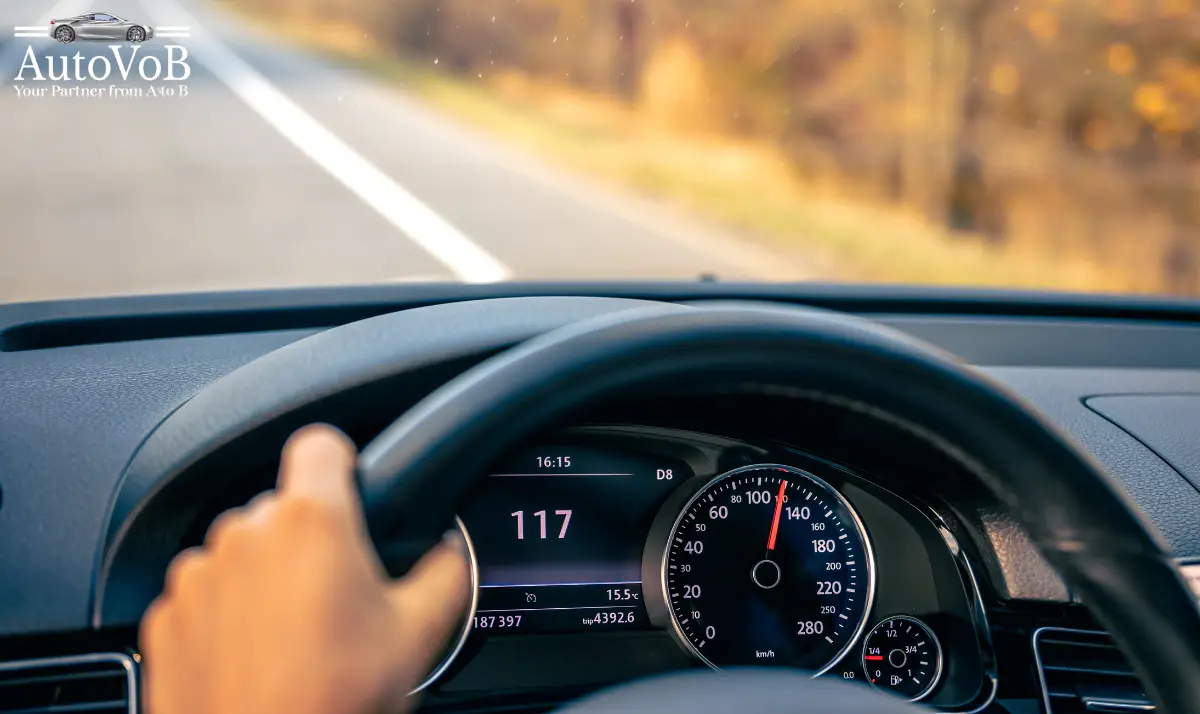
There's a persistent myth that digital dashboards killed odometer fraud. The opposite happened. A mechanical odometer had to be physically opened and wound back, which left scratches, misaligned digits, and fingerprints of tampering that a careful buyer could spot.
A digital cluster leaves nothing. Someone plugs a correction tool into the OBD port, types in a new number, and the display shows it with perfect factory crispness. The equipment is sold openly online, often marketed as legitimate calibration gear for workshops, and versions cost less than a tank of fuel. One industry researcher who tested the process on a demo vehicle said it took barely any time at all.
Here's the part that works in your favour. Modern cars don't store mileage in one place. Depending on the model, the true figure can also live in the engine control module, the transmission module, the ABS unit, key fobs, and the airbag controller. A lazy fraudster changes only the dashboard. That mismatch is your best evidence, and it's exactly what a proper diagnostic scan looks for.
What a Rolled-Back Car Actually Costs You
The average buyer of a clocked car overpays by roughly $3,300 on the purchase price alone, according to industry estimates. That's before the real bill arrives. A car showing 60,000 km that has actually done 160,000 km is overdue for timing components, suspension bushings, brake wear items, and possibly a transmission service. You inherit all of it, on a maintenance schedule that lies to you.
There's a safety cost too. Service intervals exist because parts wear out on mileage, not on calendar optimism. NHTSA's administrator put it bluntly after a recent prosecution: buyers of clocked cars unknowingly take on risks tied to steering and braking components that are far older than the dashboard claims.
How to Run an Odometer Rollback Check
No single test proves a car is clean. You're building a case from three directions, and the story has to hold up in all of them.
Start with the paper trail
Ask for the title, registration documents, and service history, then compare every recorded mileage figure against the dash. Mileage should climb steadily, typically 12,000 to 20,000 km a year for a normally used car. A three-year-old car showing 15,000 km total should make you suspicious, not excited. Check inspection stickers, oil change reminders on the windscreen or door jamb, and stamps in the service book. Fraudsters rarely bother forging every scrap of paper, and one overlooked workshop invoice can blow the whole story open.
A seller who can't produce service records for a supposedly pampered, low-mileage car is telling you something. Believe them.
Pull the vehicle history report
Run the VIN through a vehicle history service. These reports compile odometer readings logged at title transfers, inspections, and workshop visits. What you're looking for is simple: any point where the mileage drops, or a long stretch where a daily-driven car apparently barely moved.
Be honest about the limits here. A history report only catches fraud when a higher reading was recorded before the rollback. If the car was clocked before its first logged reading, or the numbers were kept artificially consistent, the report comes back clean. It's a filter, not a verdict.
Get a diagnostic scan before you pay
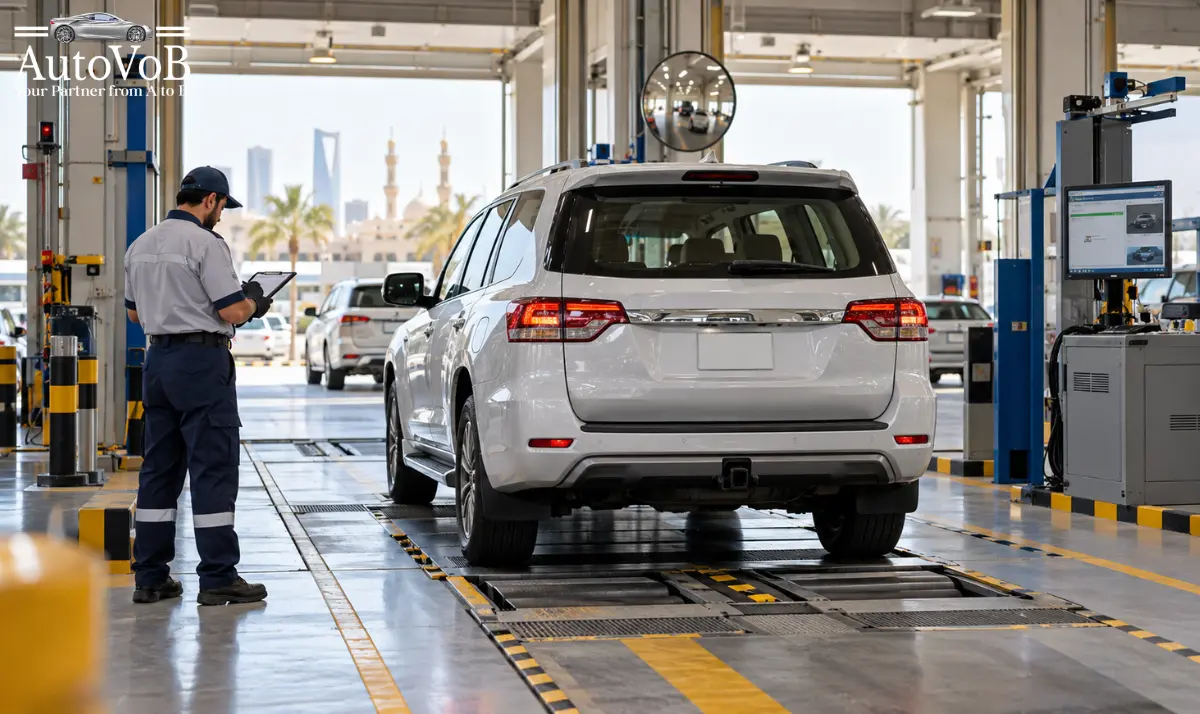
This is the step most buyers skip and the one I'd never skip myself. Pay an independent mechanic, not one suggested by the seller, to run a full-system scan. A competent technician can read mileage or operating-hour data from multiple control modules and compare them against the dashboard. Sophisticated fraudsters do alter every module, but most aren't sophisticated. They're opportunists with a fifty-dollar tool, and the ABS unit or gearbox controller frequently still holds the truth.
While the car is on the lift, the mechanic can also judge whether component wear matches the claimed mileage. Which brings us to the evidence no software can fake.
Wear Doesn't Lie
Interiors age on use, not on time. A car claiming 50,000 km should not have a steering wheel polished smooth, a sagging driver's seat bolster, or brake and clutch pedals worn down to bare metal. Look at the driver's side carpet, the gear knob, the buttons you touch most. Shiny, worn-through touchpoints on a supposedly low-mileage car are a bigger red flag than anything on a screen.
Check the small stuff too. Original tyres rarely survive past 60,000 km, so fresh budget tyres on a car claiming 30,000 km deserve a question. A brand-new brake disc set on a young car is either great news or a cover story. Ask which, and watch how the seller answers.
Also Read: How to Diagnose and Repair Car Electrical Issues
Cross-Border Cars Deserve Double Scrutiny
Wherever used cars cross a border, mileage records tend to break. The European Parliament's research found clocking rates of 30 to 50 percent in cross-border EU trade, several times the domestic rate, precisely because inspection databases don't follow the car. The same logic applies to imports anywhere, including the steady flow of used vehicles into Gulf markets from the US, Japan, and Europe. Once a car leaves its home registration system, its recorded history often stops, and that gap is where fraud lives.
Belgium and the Netherlands proved the fix works: both run national schemes that log mileage at every service and inspection, and both drove domestic clocking to nearly zero. Until that model goes global, an imported car with a thin history should be priced like a high-mileage car, because it probably is one.
My honest position after years around this trade: assume nothing, verify everything, and treat a suspiciously low number as a reason to walk, not a bargain to grab. There are plenty of honest cars out there. The twenty minutes and small fee an odometer rollback check costs you is the cheapest insurance in motoring, and the sellers with nothing to hide won't mind you running it.
FAQs
1. How to check for odometer rollback?
Compare the dash reading against the title, service records, and inspection stickers. Pull a vehicle history report using the VIN and look for mileage that drops or flatlines. Then have a mechanic scan the car's control modules, since many store mileage figures the dashboard can't hide.
2. Can digital odometers be rolled back?
Yes, and it's easier than tampering with mechanical ones. Cheap OBD tools can rewrite a digital cluster in minutes and leave no visible marks. The good news is that modern cars store mileage in several modules, so a proper diagnostic scan often exposes the mismatch between them.
3. How common is odometer fraud?
NHTSA estimates more than 450,000 vehicles are sold with false readings each year in the US alone, costing buyers over $1 billion. In Europe, studies estimate tampering in 5 to 12 percent of domestic used car sales and in 30 to 50 percent of cars traded across EU borders.
4. Does a vehicle history report always catch a rollback?
No. A report only flags fraud when a recorded reading is higher than a later one. If the car was clocked before its first logged reading, or the fraudster kept the numbers consistent, the report looks clean. Treat it as one layer of your check, never as the final word on a car.
5. What should I do if I bought a clocked car?
Keep everything: the ad, the contract, the signed odometer disclosure, and all messages with the seller. Have a mechanic document the true mileage from the car's modules. Then report the case to your consumer protection or transport authority and consider pursuing legal action.
Keep browsing AutoVoB blogs for more such valuable information.
Wherever you are, AutoVoB helps you buy and sell vehicles with ease.