Car Suspension Problems and Repair Guide for Drivers
Most drivers do not think about their car suspension until something feels wrong. A rough ride, strange noises, or poor handling usually signal that something underneath the car needs attention. The suspension system quietly handles one of the toughest jobs in a vehicle. It absorbs shocks from the road, keeps the tires connected to the surface, and maintains stability when you accelerate, brake, or turn.
Here is the thing. When the suspension starts failing, the entire driving experience changes. Comfort drops, s afety risks increase, and other vehicle components begin to wear out faster.
Let’s break it down and understand how car suspension works, what problems usually occur, and how proper car suspension repair can bring your vehicle back to smooth and stable performance.
What a Car Suspension System Actually Does
The suspension system connects the vehicle to its wheels and allows controlled movement between the two. Without it, every bump or pothole would transfer directly to the cabin.
A typical car suspension system includes several parts working together:
- Springs
- Shock absorbers or struts
- Control arms
- Ball joints
- Bushings
- Stabilizer bars
Each component plays a specific role. Springs absorb energy from bumps. Shock absorbers control how the springs move so the car does not bounce excessively. Control arms and joints keep the wheels aligned while allowing movement.
What this really means is simple. Suspension keeps your tires firmly planted on the road while keeping passengers comfortable inside the vehicle.
If any part fails, the balance is disrupted.
Common Signs of Car Suspension Problems
Drivers often ignore early warning signs because suspension issues develop gradually. Recognizing these symptoms early can prevent expensive repairs later.
Rough or Bumpy Ride
One of the clearest signs of suspension trouble is a rough ride. If you start feeling every crack in the road or the car bounces after hitting a bump, worn shock absorbers or struts could be the cause.
Vehicle Pulling to One Side
If the car drifts left or right while driving straight, suspension components like control arms or alignment settings might be affected.
Nose Diving During Braking
When the front of the car dips sharply while braking, it often points to worn shock absorbers.
Uneven Tire Wear
Suspension issues affect wheel alignment. This leads to uneven tire wear patterns, which reduces tire life and grip.
Strange Noises Over Bumps
Clunking or knocking sounds when driving over potholes or speed breakers usually indicate worn ball joints, bushings, or loose suspension components.
Ignoring these signs can eventually damage other parts of the car, including tires, steering components, and even the chassis.
Why Suspension Problems Should Never Be Ignored
Some drivers delay suspension repair because the car still seems drivable. That decision can cost much more later.
Suspension affects three critical aspects of driving:
Vehicle control
A worn suspension reduces stability during turns and emergency maneuvers. This increases the risk of losing control.
Braking performance
Poor suspension can increase braking distance because tires may not maintain consistent contact with the road.
Tire lifespan
Bad suspension components cause uneven tire wear, which means replacing tires sooner than expected.
What this really means is that suspension health directly affects both safety and long term maintenance costs.
Most Common Car Suspension Issues
Several parts in the suspension system wear out over time. Let’s look at the most common problems drivers face.
Worn Shock Absorbers or Struts
Shock absorbers control the movement of the springs. When they wear out, the vehicle may bounce excessively or feel unstable at higher speeds.
Most shock absorbers last between 60,000 and 100,000 kilometers depending on road conditions and driving habits.
Broken or Weak Springs
Springs support the vehicle’s weight and absorb road shocks. Over time they may weaken or even crack, especially if the vehicle frequently carries heavy loads.
A damaged spring causes the car to sag on one side or sit lower than normal.
Worn Ball Joints
Ball joints allow suspension components to move smoothly while maintaining wheel alignment. When they wear out, drivers may hear clunking noises and experience loose steering.
Damaged Bushings
Bushings are rubber components that reduce friction between suspension parts. As they age, they crack or harden, which leads to vibration and noise.
Misaligned Wheels
Suspension damage often leads to poor wheel alignment. This affects steering response and causes uneven tire wear.
All these issues eventually require professional car suspension repair.
How Car Suspension Repair Works
When a mechanic performs suspension repair, the process usually involves several steps.
Inspection
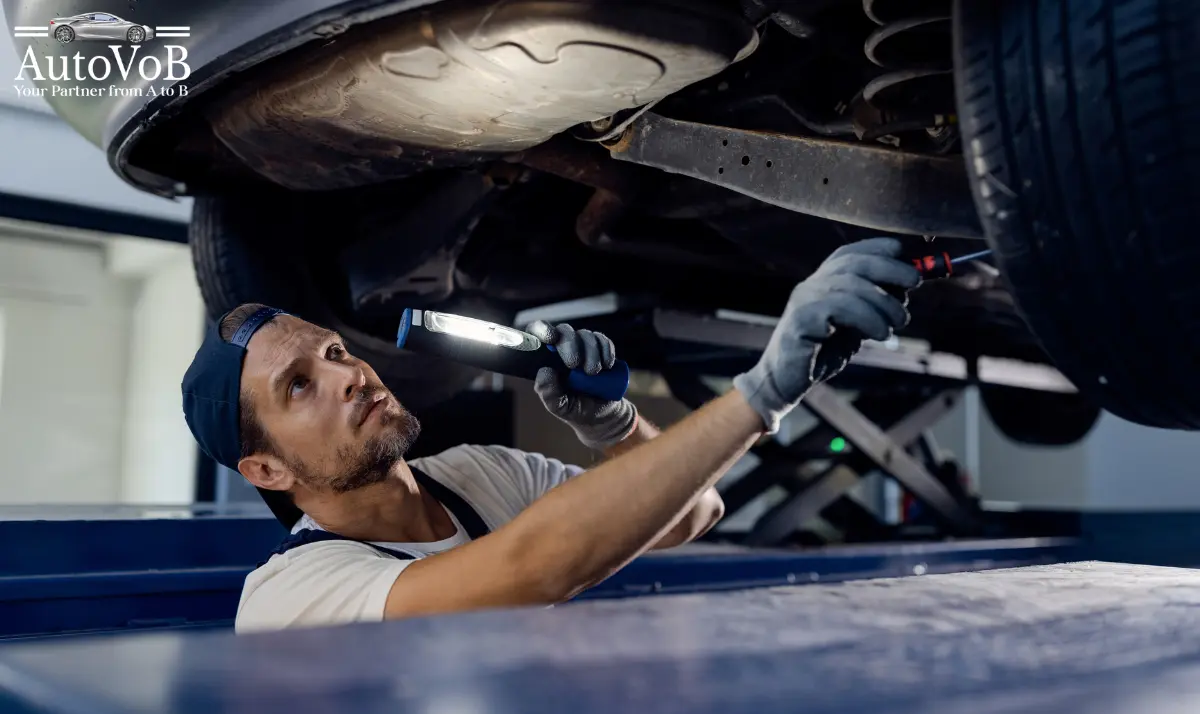
Technicians inspect the suspension system visually and through driving tests. They look for oil leaks from shock absorbers, worn bushings, cracked springs, and loose components.
Diagnosis
The mechanic identifies which parts have failed and determines whether they need repair or replacement.
Replacement of Worn Components
Common replacements during suspension repair include:
- Shock absorbers or struts
- Coil springs
- Ball joints
- Control arms
- Bushings
Wheel Alignment
After repairs, proper wheel alignment is essential. This ensures the wheels sit at the correct angles and the car drives straight.
Skipping alignment after suspension repair can lead to quick tire wear and poor handling.
Types of Car Suspension Systems
Different vehicles use different suspension designs depending on performance goals, cost, and comfort requirements.
MacPherson Strut Suspension
This is the most common suspension system used in modern cars. It combines a shock absorber and spring into one unit.
Advantages include simple design, lower manufacturing cost, and efficient space usage.
Double Wishbone Suspension
Double wishbone suspension uses two control arms to manage wheel movement.
It offers better handling and stability, which is why many performance cars use this system.
Multi Link Suspension
This advanced system uses multiple arms to control wheel movement more precisely.
Multi link suspension improves ride comfort and cornering ability. It is commonly found in premium vehicles.
Leaf Spring Suspension
Leaf springs are typically used in trucks and commercial vehicles because they can handle heavy loads.
While not as comfortable as other systems, they are extremely durable.
What Is the Best Suspension Type for Cars?
There is no single answer because the best suspension type for cars depends on how the vehicle is used.
For everyday passenger vehicles, MacPherson strut suspension offers a great balance of cost, comfort, and reliability.
Performance oriented vehicles often benefit from double wishbone or multi link suspension because they provide better control during aggressive driving.
For heavy duty vehicles and pickups, leaf spring suspension remains the most practical option due to its strength and load capacity.
What this really means is that suspension design reflects the purpose of the vehicle. Comfort, performance, and durability each influence the final choice.
Maintenance Tips to Protect Your Car Suspension
Suspension components wear gradually, but proper care can extend their lifespan.
Here are a few simple habits that help.
Avoid rough driving over potholes
Repeated hard impacts damage shocks, springs, and joints.
Do regular wheel alignment checks
Misaligned wheels increase stress on suspension components.
Inspect suspension during routine service
Mechanics can identify worn parts early before they cause bigger problems.
Maintain proper tire pressure
Incorrect tire pressure affects suspension load and ride quality.
These small steps can prevent major car suspension repair costs later.
How Often Should Suspension Be Checked?
Most experts recommend inspecting the suspension system every 20,000 to 30,000 kilometers or during major vehicle service intervals.
However, if you frequently drive on rough roads or notice handling changes, it is wise to check it sooner.
Suspension wear often happens gradually, which makes routine inspections important.
The Cost of Ignoring Suspension Problems
Postponing suspension repair may save money in the short term but often leads to higher costs later.
Damaged suspension components can affect:
- Tire life
- Steering system
- Wheel alignment
- Brake performance
Eventually the repair bill becomes much larger than it would have been if the problem was fixed early.
Also Read: Frayed Seat Belt in Cars: Causes and Real Fixes
Final Thoughts
Suspension systems rarely get attention compared to engines or brakes, but they are just as important. A healthy car suspension keeps the ride smooth, improves vehicle control, and protects other components from excessive wear.
Understanding the warning signs and acting quickly when problems appear can prevent costly repairs and maintain safe driving conditions.
If your vehicle feels rough, unstable, or noisy over bumps, it may be time for a professional inspection and proper car suspension repair.
For more such informative blogs, keep following AutoVoB blogs.