Frayed Seat Belt in Cars: Causes and Real Fixes
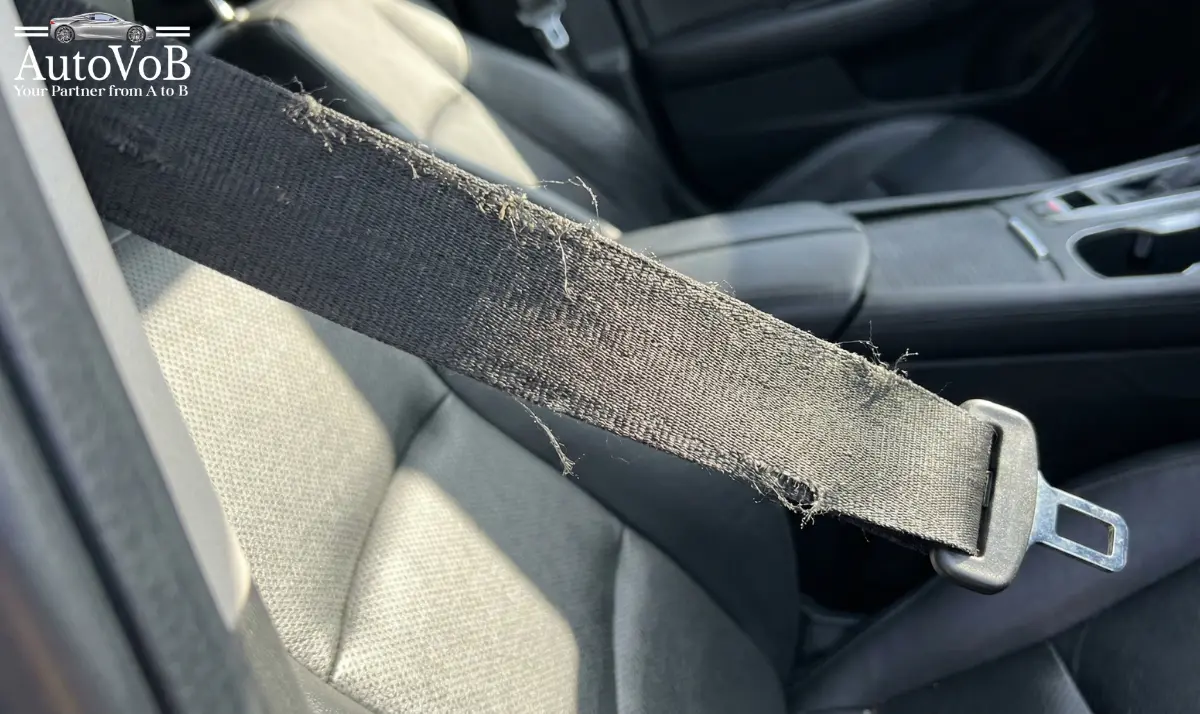
A frayed seat belt isn’t just a cosmetic issue; it’s a weakened safety system that can fail when you actually need it. Modern seat belt webbing is engineered to handle huge crash loads, but once threads start breaking or the edges fuzz up, the effective strength of the belt drops and the risk of tearing in a collision goes up sharply. Many safety and inspection guidelines treat visible fraying as a serious defect on the same level as cuts or tears, because it directly affects crash performance.
Here’s the thing: if you’re seeing a fraying seat belt, you should already be thinking about inspection and replacement, not just “tidying it up.”
What “frayed seat belt” actually means
Seat belt webbing is usually made from tightly woven polyester designed for very high strength and controlled stretch in a crash. A frayed seat belt means some of those woven fibers have started to separate, lift, or break, showing fuzzy edges, loose threads, or tiny loops instead of a flat, uniform strap.
What this really means is that load, which should be spread across thousands of intact fibers, ends up concentrated on fewer threads, so the belt is more likely to stretch too much or even tear under crash forces. On top of that, rough, frayed edges are more likely to snag inside the retractor or on trim pieces, which can stop the belt from retracting smoothly or locking the way it should.
Will a frayed seat belt fail inspection in the UAE?
Let’s get straight to what matters if you’re driving or buying used cars in the UAE. Seat belts are treated as mandatory safety equipment under UAE traffic regulations, and damaged or frayed belts are taken seriously during technical inspections.
In Dubai, RTA testing includes checks on “basic safety elements like seat belts,” and belts that are cut, worn, or frayed are listed as defects in official testing manuals for Gulf vehicles. Guidance used in UAE inspections specifies that a belt that is cut, worn, frayed, split, torn, altered, or modified can be marked as a failure item because it is no longer in safe condition. Local automotive guides also make it clear: a visibly damaged or frayed seat belt can cause your vehicle to fail the UAE inspection, and you may not be able to renew registration until it is fixed.
What this really means is simple: if the inspector can clearly see fraying or other damage on the webbing, you should expect to be sent for repair or replacement before the car passes its test.
Common causes of a fraying seat belt
Let’s break it down into the usual suspects. Most cases of frayed seat belt webbing come from one or more of these:
- Constant abrasion on hard edges
Over time, the belt rubs against plastic trim, metal guides, or seat frames, especially if the belt height adjuster is set badly or a guide is damaged. That repeated rubbing slowly roughens the edges and starts peeling fibers away. - Sun and heat damage
Long exposure to strong sunlight and high cabin temperatures, which are common in the Gulf, can weaken polyester fibers. UV and heat make the webbing more brittle, so once it’s aged, normal use quickly turns small nicks into visible fraying. - Harsh cleaners and chemicals
Aggressive cleaning products, solvents, or bleach can attack the fibers, leaving the belt stiff, discolored, and easier to damage. Once the material is chemically weakened, even moderate use can cause threads to lift and fray. - Pets, kids, and sharp objects
Dogs chewing on the belt, kids picking at it, or tools and zippers scraping across it can introduce small cuts or bite marks. Those minor defects tend to spread with everyday use and show up later as a frayed area. - Previous accidents or hard loading
After a serious crash, the belt can stretch, heat up from friction, or suffer internal damage, even if the outer surface looks okay initially. Over time the overstressed fibers can start to break down and fray. - Bad daily habits
Letting the buckle slam into the B-pillar, trapping the belt in the door, or driving with the belt twisted so it runs on its edge rather than flat all accelerate wear and promote fraying.
Why driving with a frayed belt is unsafe
A frayed seat belt will usually still click in and hold you during normal driving, which is why many owners ignore it. That’s the risky part.
Here’s what’s actually going on behind the scenes:
- Lower crash strength
Safety guidance treats fraying in the same risk category as cuts and tears because all three reduce the effective strength of the webbing and can lead to failure under crash loads. Even a small cut near the edge can open up rapidly when the belt is loaded in a collision. - Extra slack and poor performance
Frayed or rough webbing can drag inside the retractor, so the belt doesn’t return fully or sit snug across your shoulder and lap. Extra slack in a crash means your body travels further, which is strongly linked to more severe injury. - Legal and inspection trouble
As noted earlier, many inspection standards, including those aligned with Gulf testing parameters, treat cut or frayed belts as reasons for rejection. In the UAE, that can mean failing RTA testing and being unable to renew registration until the problem is fixed.
What this really means is that every time you ignore a frayed seat belt, you’re gambling with both safety and compliance.
Can a frayed seat belt be repaired?
This is where a lot of people try “quick fixes” that do more harm than good.
- Cutting or melting the frayed edges
Trimming fuzzy threads or melting them with a lighter might make the belt look neater, but you’re literally removing load‑bearing fibers and adding heat damage. That doesn’t restore strength; it reduces it. - Sewing patches or stitching over damage
Home stitching or random reinforcement with thread doesn’t match OEM patterns, materials, or testing. Non‑standard stitching creates weak spots where stress concentrates, and guidelines in multiple countries treat unapproved repairs as a rejection point. - Limits on who can legally repair belts
Many technical standards say seat belt repairs or re‑webbing must either be done by the original manufacturer or by a specialist using approved materials and methods. Unauthorised repair with no proof of manufacturer approval is normally not accepted at inspection.
Most expert sources come back to the same conclusion: a clearly frayed seat belt should be re‑webbed by a certified specialist or replaced entirely, not patched up at home.
Practical solutions if your belt is frayed
Once you’ve spotted the damage, here’s how to handle it like a grown‑up car owner instead of hoping the inspector doesn’t notice.
- Do a proper check
Pull the belt all the way out and look closely at:
- Edges and main wear zones
Check for fraying, cuts, or deep wear along the full length, especially where the belt passes through guides and over your shoulder. - Color and feel
Look for faded, bleached, stiff, or rough sections that don’t lie flat, curl, or show rippled patterns, as these can indicate stretching or heat damage. - Function
Let the belt retract several times and check that it returns smoothly and locks instantly when you tug it sharply. Slow retraction or erratic locking is another flag that the system needs work.
If the fraying is more than light “fluff,” treat it as a fault to fix, not something to watch.
- Choose between re‑webbing and replacement
Your sensible options look like this:
- Professional webbing replacement
Specialist seat belt services can remove the damaged webbing and install new, crash‑tested webbing that meets safety standards, often reusing your original hardware and retractor. They also apply proper stitching patterns and test the belt for retraction and locking before sending it back. - Full OEM assembly replacement
Dealerships and authorised workshops often recommend replacing the entire seat belt assembly, especially if the car has been in a serious crash or there’s any doubt about hidden damage to pretensioners or retractors. This is usually the safest route if you’re planning to keep the car long term. - Avoid random used belts
Fitting a used belt from a scrap yard might look like a money‑saving hack, but you have no reliable history on crashes, storage, or previous damage, and safety bodies strongly discourage using unknown restraint components.
In practice, if the fraying is obvious enough that you’re worried about inspection, it’s usually obvious enough to justify replacement.
- Get it fitted and documented properly
Because seat belts are tied into airbag systems and pretensioners, it’s smart to have the work done or at least checked by a competent technician who understands your car’s safety systems. For buyers of used cars in the UAE, a pre‑purchase inspection that explicitly checks belt condition and airbag/pretensioner status is a good filter before money changes hands.
Also Read: Air Quality Control Systems in Cars Explained Simply
How to prevent seat belts from fraying again
Once you’ve sorted the current belt, you want the replacement to last. A few simple habits go a long way:
- Regular visual checks
Every month or so, do a quick look at each belt while you’re cleaning the car: check the edges, look for fading or damage, and test retraction and locking. - Gentle cleaning only
Use mild soap and water with a soft cloth, avoid harsh chemicals or solvents, and let the belt dry fully before letting it retract. - Don’t abuse the hardware
Guide the buckle back by hand instead of letting it smash into the B‑pillar, and avoid trapping the belt in the door where it can get cut or crushed. - Protect from pets and sharp points
Use proper pet restraints so animals aren’t sitting on or chewing the belt, and fix any sharp trim edges or broken guides that the belt rubs against. - Follow post‑crash recommendations
After any serious accident, have all belts and related safety systems inspected and replace anything that shows damage, signs of deployment, or significant wear.
What this really means is that if you treat your seat belts like the critical safety gear they are, you’ll spot fraying early, pass inspections cleanly, and massively improve your odds of walking away from a bad crash.
For more such informative blogs, keep following AutoVoB blogs