Car Parking System: Types, Features, and How It Works
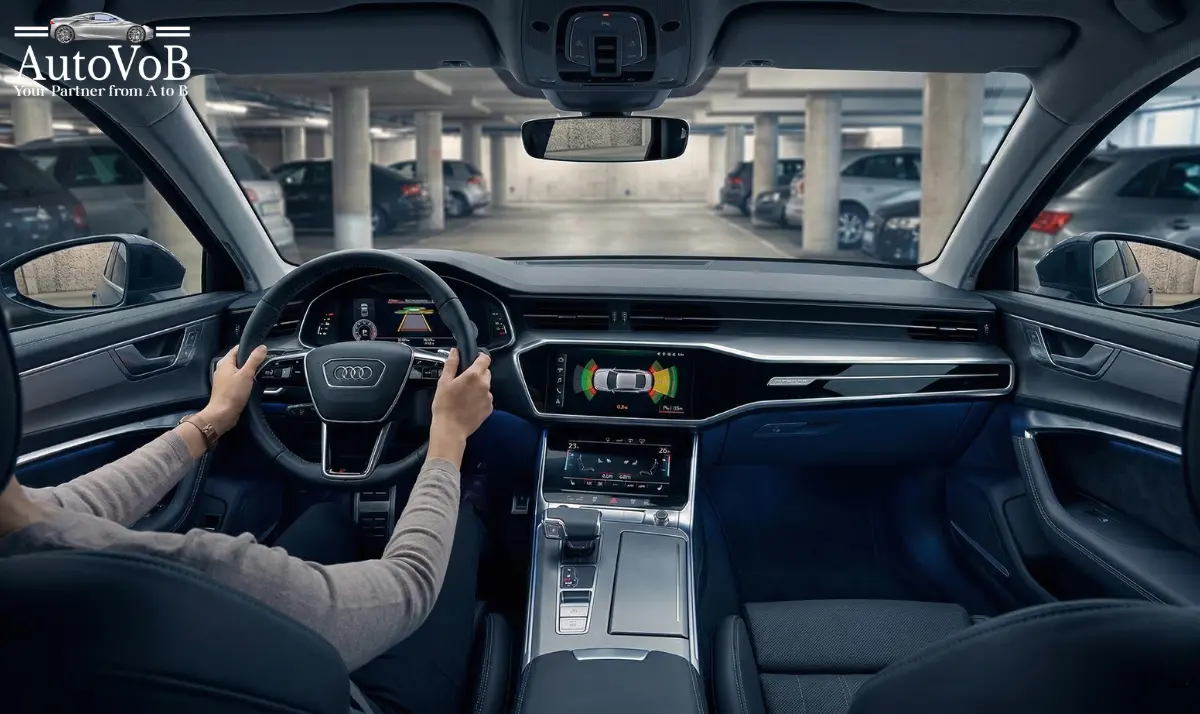
A car parking system is no longer just about finding space and stopping your vehicle. It has evolved into a mix of sensors, cameras, software, and intelligent assistance designed to make parking safer, quicker, and less stressful.
If you have ever struggled with parallel parking in a tight spot or misjudged the distance to a wall, you already understand why these systems matter. Modern vehicles now come equipped with various parking assistance technologies that reduce human error and improve overall driving confidence.
Let’s break down how a car parking system works, the different types available, and why it is becoming a must-have feature in today’s cars.
What Is a Car Parking System?
A car parking system is a set of technologies integrated into a vehicle to assist the driver during parking. These systems use sensors, cameras, and sometimes automated controls to detect obstacles, guide steering, and ensure safe maneuvering in tight spaces.
At its core, the system does three things:
- Detects objects around the car
- Alerts the driver about proximity
- Assists or automates parking actions
Depending on the level of sophistication, a car parking system can either guide you or take over certain driving functions entirely.
Why Car Parking Systems Matter
Parking may seem like a basic skill, but it is one of the most common situations where minor accidents happen. Scratches, dents, and bumper damage often occur at low speeds in parking areas.
A good car parking system helps by:
- Reducing blind spots
- Improving spatial awareness
- Preventing collisions
- Making parking faster and more precise
For new drivers, it builds confidence. For experienced drivers, it reduces effort and risk.
Types of Car Parking Assistance Systems
Modern vehicles use a combination of different technologies. Each one serves a specific purpose, and together they create a comprehensive parking solution.
- Parking Sensors
Parking sensors are the most basic and widely used car parking system feature.
They are usually installed in the front and rear bumpers and use ultrasonic or electromagnetic waves to detect nearby objects. When you reverse or move slowly, the sensors measure the distance between your car and obstacles.
How they work:
- Sensors emit signals that bounce off objects
- The system calculates distance based on signal return time
- Alerts are given through beeps or visual indicators
Key benefits:
- Helps avoid hitting walls or other vehicles
- Simple and reliable
- Works in low visibility conditions
As you get closer to an object, the beeping becomes faster, giving you a clear sense of distance.
- Rear Parking Camera
The rear parking camera is now standard in many cars, and in some regions, it is mandatory.
It provides a live video feed of the area behind your car when you shift into reverse. This eliminates blind spots that mirrors cannot cover.
How it works:
- A camera mounted at the rear transmits video to the infotainment screen
- Guidelines appear on the screen to help with alignment
- Some systems adjust guidelines based on steering input
Key benefits:
- Clear view of obstacles, pedestrians, and curbs
- Better accuracy than relying on mirrors alone
- Helps in tight parking spaces
This is one of the most practical upgrades to any car parking system.
- 360-Degree Camera System
Also known as a surround-view camera, this system provides a bird’s-eye view of your vehicle.
It combines images from multiple cameras placed around the car, usually at the front, rear, and side mirrors.
How it works:
- Cameras capture real-time footage from all sides
- Software stitches images into a single top-down view
- Displayed on the infotainment screen
Key benefits:
- Complete visibility around the vehicle
- Ideal for tight urban parking
- Helps avoid low obstacles and side collisions
This type of car parking system is especially useful in crowded areas where space is limited.
- Advanced Park Assist Systems
Advanced park assist systems take things further by actively helping with steering, and in some cases, acceleration and braking.
These systems can identify a suitable parking space and guide the car into it.
How it works:
- Sensors scan for available parking spots
- The system calculates the required steering angle
- The car automatically controls steering while the driver manages speed
Some high-end systems go even further and handle the entire parking process without driver input.
Key benefits:
- Removes stress from parallel parking
- Highly accurate in tight spaces
- Reduces driver workload
This is where a car parking system starts to feel like an intelligent assistant rather than just a warning tool.
- Automated Parking Systems
This is the most advanced form of parking technology.
In fully automated systems, the driver can step out of the car, and the vehicle parks itself using sensors and software.
Some systems even allow remote parking using a smartphone or key fob.
Key benefits:
- No need to sit inside the car while parking
- Useful in extremely tight spaces
- Represents the future of autonomous driving
Though still limited to premium vehicles, this technology is gradually becoming more accessible.
Key Components of a Car Parking System
To understand how everything works together, it helps to look at the core components:
- Sensors: Detect obstacles and measure distance
- Cameras: Provide visual input
- Control Unit: Processes data and makes decisions
- Display System: Shows visuals and alerts to the driver
- Actuators (in advanced systems): Control steering, braking, or acceleration
Each component plays a role in making the system accurate and reliable.
Benefits of Using a Car Parking System
A well-designed car parking system offers more than convenience.
- Improved Safety
It reduces the chances of collisions with objects, pedestrians, or other vehicles.
- Reduced Driver Stress
Parking in tight spaces becomes easier and less frustrating.
- Better Vehicle Protection
Prevents scratches and dents, which helps maintain resale value.
- Time Efficiency
You spend less time adjusting and re-parking.
- Increased Confidence
Especially helpful for beginners or those uncomfortable with parking.
Limitations You Should Know
No system is perfect, and it is important to understand the limitations.
- Sensors may not detect very thin or low objects
- Cameras can be affected by dirt, rain, or poor lighting
- Over-reliance can reduce driver awareness
- Advanced systems can be expensive to repair
A car parking system should assist you, not replace your attention.
Future of Car Parking Systems
The future is moving toward fully autonomous parking integrated with smart infrastructure.
You can expect:
- AI-based parking assistance
- Vehicle-to-infrastructure communication
- Automated parking garages
- Integration with navigation systems for real-time parking availability
As cars become smarter, parking will likely become a completely automated process.
Also Read: Car Engine Parts and Their Functions
Final Thoughts
A car parking system has evolved from simple beeping sensors to intelligent systems capable of parking a vehicle with minimal human input. Whether it is basic parking sensors or advanced automated systems, these technologies are designed to make driving safer and more convenient.
If you are buying a car today, parking assistance features are not just optional extras. They are practical tools that improve everyday driving.
Understanding how each type works helps you use them better and choose the right system based on your needs.
For more such informative blog keep following AutoVoB blogs