What Is Self Healing PPF and How Does It Work for Cars?
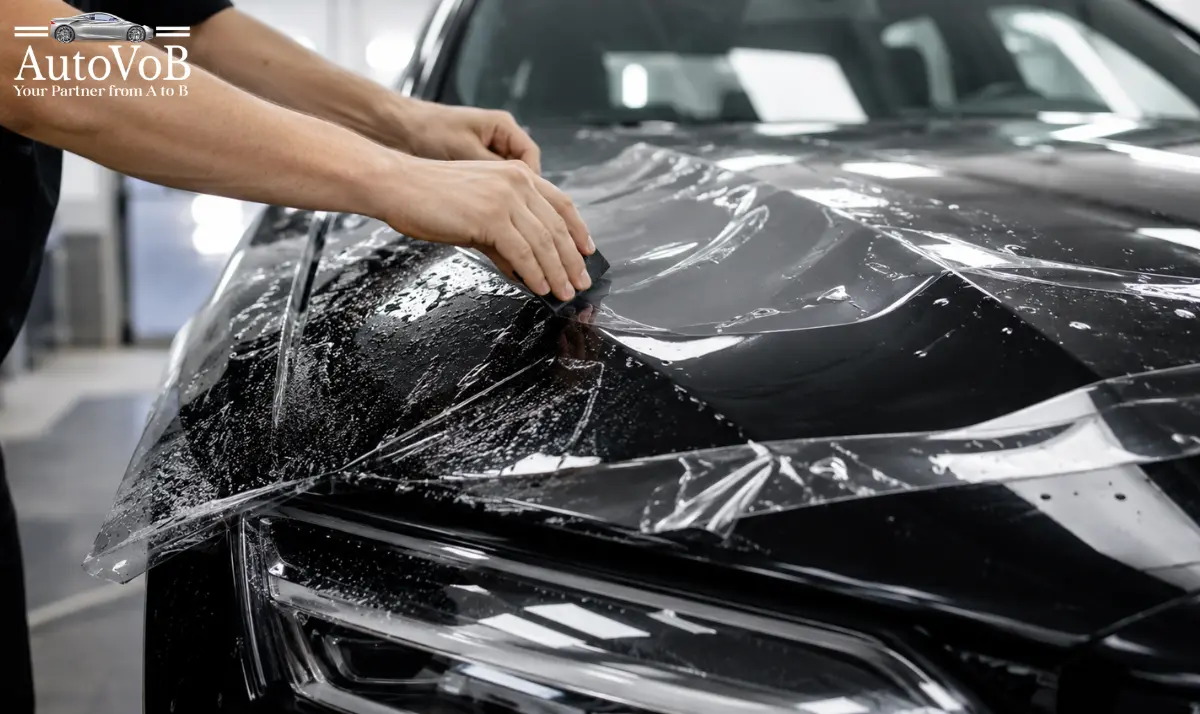
Car owners today care as much about preserving their vehicle’s appearance as they do about performance. Paint damage from road debris, scratches, and sunlight is almost unavoidable. This is where Self Healing PPF steps in.
Paint Protection Film, or PPF, is not new. What has changed is the technology behind it. Modern films can repair minor scratches on their own, without any manual polishing. That makes them far more practical for daily use.
Let’s break down what Self Healing PPF actually is, how it works, and whether it’s worth installing on your car.
What Is Self Healing PPF
Self Healing PPF is a transparent, flexible polyurethane film applied to a car’s painted surfaces. Its main purpose is to protect the paint from physical damage and environmental wear.
The “self healing” part comes from its ability to eliminate minor surface scratches and swirl marks when exposed to heat. This heat can come from sunlight, warm water, or even the engine’s natural heat.
Unlike traditional protective coatings, this film has multiple layers. The top layer is engineered with elastic polymers that can return to their original shape after being disturbed.
How Does Self Healing PPF Work
At the core of Self Healing PPF is a specially designed elastomeric top coat. This layer behaves differently from regular plastic or vinyl films.
When a scratch occurs, it usually affects only the top layer of the film. Instead of permanently deforming, the material temporarily shifts. When heat is applied, the molecular structure of the polymer relaxes and returns to its original form.
This process removes the visible scratch without any external intervention.
Here is how it typically works in real conditions:
- A light scratch appears on the film surface
- Heat from sunlight or warm water softens the top layer
- The material expands slightly and fills the scratch
- The surface returns to a smooth, original finish
This is why Self Healing PPF is particularly useful for daily drivers that face constant exposure to minor abrasions.
Key Features of Self Healing PPF
Scratch Resistance
The film absorbs small impacts that would otherwise damage the paint. Light scratches disappear over time due to the self healing property.
UV Protection
UV rays can fade and oxidize paint. Self Healing PPF acts as a barrier, preserving the original color and gloss.
Chemical Resistance
It protects against bird droppings, tree sap, road salts, and other contaminants that can stain or etch paint.
High Gloss or Matte Finish
Depending on the variant, the film can enhance gloss or maintain a matte look without altering the original design.
Long Lifespan
High-quality films can last anywhere between 5 to 10 years with proper care.
Where Is Self Healing PPF Applied
You can apply Self Healing PPF to specific high-impact areas or cover the entire car.
Common application zones include:
- Front bumper
- Hood and fenders
- Side mirrors
- Door edges and handles
- Rear wheel arches
Full-body coverage offers the most protection but costs significantly more
Benefits of Using Self Healing PPF
Preserves Resale Value
A well-maintained exterior helps retain resale value. Buyers prefer cars with original paint in good condition.
Reduces Maintenance Effort
Since minor scratches heal on their own, you spend less time polishing or detailing the car.
Invisible Protection
The film is nearly invisible when properly installed, so it does not change the look of the vehicle.
Cost Efficiency Over Time
While the upfront cost is high, it reduces repainting and detailing expenses in the long run
Limitations You Should Know
Self Healing PPF is not a magic shield. It has limits.
- It cannot fix deep scratches that cut through the film
- It does not protect against major collisions
- Improper installation can lead to bubbles or peeling
- Lower quality films may yellow over time
Understanding these limits helps set realistic expectations.
Self Healing PPF vs Ceramic Coating
People often confuse Self Healing PPF with ceramic coating, but they serve different purposes.
- PPF provides physical protection against chips and scratches
- Ceramic coating mainly adds shine and hydrophobic properties
Some car owners combine both. They apply PPF first, then add a ceramic layer on top for easier cleaning and added gloss
Installation Process
Installing Self Healing PPF is a precise job that requires skill.
- The car is thoroughly cleaned and decontaminated
- The film is cut using templates or custom fitting
- A slip solution is used to position the film
- The installer stretches and aligns the film carefully
- Air bubbles and excess solution are removed
- The film is left to cure
Professional installation is strongly recommended. Poor installation can ruin the finish and reduce effectivenes.
Maintenance Tips
Maintaining Self Healing PPF is simple but important.
- Wash the car regularly using mild shampoo
- Avoid abrasive cleaning tools
- Do not use harsh chemicals
- Allow the film to cure before washing after installation
- Use warm water occasionally to activate healing
With proper care, the film stays clear and effective for years.
Also Read: All about car wrapping: cost, types, and UAE reality
Is Self Healing PPF Worth It
The answer depends on how you use your car.
If you frequently drive on highways, park outdoors, or simply want to keep your car looking new, Self Healing PPF is a solid investment.
If your car is rarely used or already older, the cost may not make sense.
For new cars, especially premium ones, it is one of the best ways to protect the original paint.
FAQs
1. How does ppf self heal?
Self Healing PPF uses an elastic polymer top layer that reacts to heat. When minor scratches appear, heat softens the surface, allowing it to return to its original shape and remove visible marks without manual polishing or repair.
2. How does self healing ppf work?
It works through a flexible clear coat made of advanced polymers. When scratched, the layer temporarily deforms. Heat from sunlight or warm water restores the surface, making the scratches disappear and keeping the film smooth.
3. Can Self Healing PPF fix deep scratches?
No, Self Healing PPF is designed for light scratches and swirl marks. Deep scratches that penetrate the film cannot be repaired through heat and may require film replacement or professional repair.
4. How long does Self Healing PPF last?
High-quality Self Healing PPF typically lasts between 5 to 10 years. Its lifespan depends on environmental exposure, maintenance, and installation quality, with better care leading to longer durability.
5. Does Self Healing PPF change car appearance?
Self Healing PPF is nearly invisible when applied correctly. It can enhance gloss or maintain a matte finish depending on the type, without altering the original color or design of the car.
Your global destination to buy and sell all types of vehicles, AutoVoB.