All about car wrapping: cost, types, and UAE reality
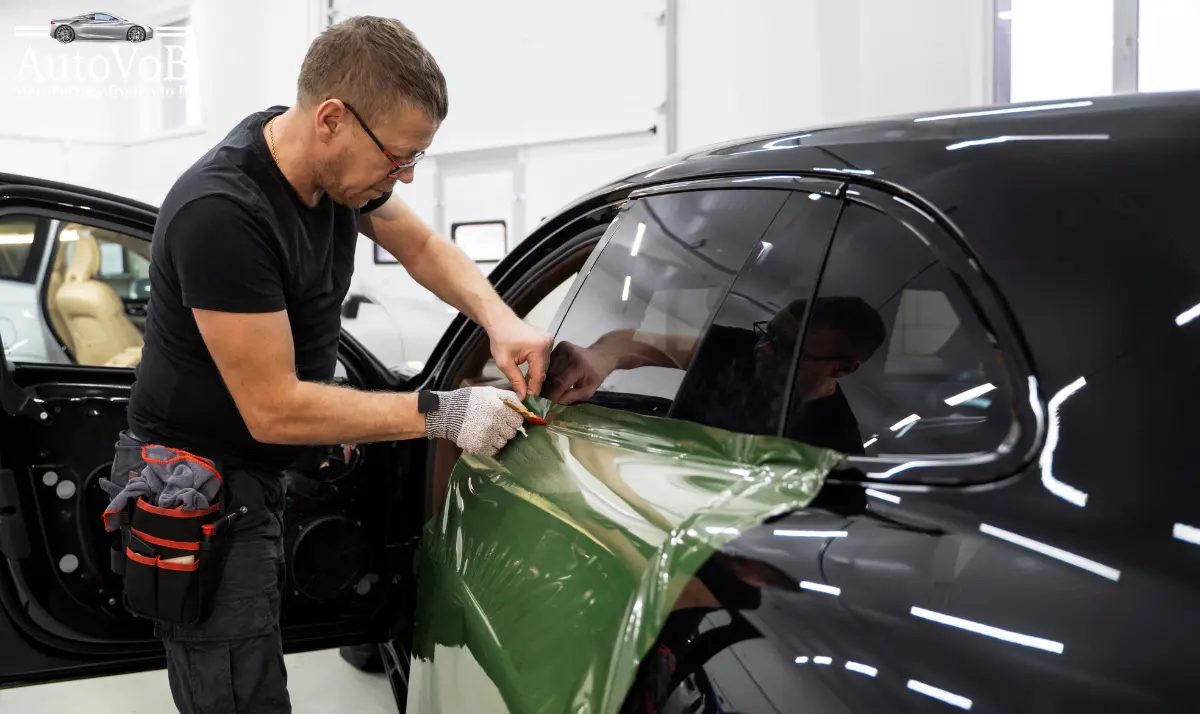
Car wrapping is the process of covering your car’s painted panels with a thin, adhesive-backed vinyl film to change the colour, finish, or add branding without repainting the car. Instead of spraying paint, installers apply large vinyl sheets that can be removed later with minimal impact on the original paint if the surface was prepared properly. A good car wrap can last around 3 to 7 years depending on film quality, installation, and how the car is used and stored.
Here’s the thing: car wrapping is not only about looks. Vinyl films add a sacrificial layer against minor stone chips, swirl marks, and UV fading, particularly when you choose high‑quality cast vinyl and keep it clean. That makes it appealing both for new cars and for people buying used cars in UAE who want to refresh the look and protect the paint at the same time.
Types of car wrap vinyl
Not all vinyl is created equal, and this matters a lot for how your car wrap behaves over time.
- Cast vinyl: This is the premium option, thinner and very flexible, so it conforms nicely around curves, bumpers, and complex body lines. It usually lasts longer outdoors (often 7–10 years in ideal conditions), resists shrinking, and keeps colour and gloss more consistently.
- Calendered vinyl: Thicker, stiffer, cheaper, and better suited to flat or gently curved panels, short‑term wraps, or simple graphics. It is more prone to shrinking and edge lifting over time, and typically has a shorter outdoor durability window of roughly 1–5 years.
What this really means is that a full colour‑change car wrapping job on a modern, curvy SUV is almost always better with cast vinyl, while budget partial wraps or simple stripes can get away with calendered films.
Popular finishes and styles
Once you start looking at car wrap options, the variety is huge.
- Gloss: Designed to mimic fresh paint, with high reflectivity and colour depth. Ideal if you want a factory‑like look but in a colour the manufacturer never offered.
- Matte and satin: Kill most reflections for a stealthy, understated finish. These are popular in car wrapping Dubai and Abu Dhabi because they stand out against the usual glossy paint on the road.
- Metallic and pearlescent: Add flakes or colour‑shifting effects that are hard to achieve safely with paint.
- Chrome and special effect: Extremely eye‑catching, but expensive, harder to install, and often less durable.
- Printed wraps: Full custom designs, branding, fleet graphics, and advertising. In cities with dense traffic like Abu Dhabi and Sharjah, many businesses use commercial car wrapping as rolling billboards to reach thousands of people daily.
The key is to match the style to how you actually use the car. A daily‑driven vehicle parked outside all day will be better off with high‑quality, UV‑resistant films rather than ultra‑fragile chrome.
Car wrapping vs PPF
Vinyl wrap and paint protection film (PPF) often get mixed up, but they solve slightly different problems.
PPF is a clear or coloured urethane film that is thicker than a typical car wrap and built for impact and scratch resistance. Good PPF can last up to around 10 years, with self‑healing properties that let minor marks disappear with heat. Vinyl car wrapping, on the other hand, focuses more on styling and moderate protection; it is usually thinner and may need replacement in roughly 3–5 years depending on conditions.
Let’s break it down: if you care primarily about serious protection against stone chips and abrasions, PPF is the better bet, especially for high‑impact areas like the front bumper and bonnet. If you mainly want a new colour or finish at a reasonable cost, a car wrap makes more sense, and you can always combine both by putting PPF over high‑wear areas or using coloured PPF on selected panels.
Car wrapping Dubai, Abu Dhabi, Sharjah: what it really costs
Prices vary a lot between shops, film brands, and vehicle types, but there are clear ballparks you can work with.
Recent UAE guides suggest the following full car wrap ranges for a sedan in Dubai:
- Roughly AED 3,500 to AED 8,000 for a full wrap, depending on film quality and complexity of the job.
- SUVs and MPVs typically land in the AED 5,000 to AED 12,000 range.
Another breakdown looking at global and UAE pricing notes that vinyl material alone can run around AED 120 to 600 per square metre, with labour often adding AED 50 to 150 per square metre. When you factor in design work, prep, and potential wrap removal, a large luxury SUV in Dubai can easily reach AED 12,000 to 18,000 for a high‑end car wrapping job, especially given higher local labour costs and the need for heat‑resistant films.
For car wrapping Abu Dhabi, some providers quote:
- Decals and stickers starting around AED 300
- Partial wraps between roughly AED 1,000 and AED 2,000
- Full wraps ranging from about AED 2,500 up to AED 6,000 or more depending on the vehicle and material
Those ranges give you a realistic starting point when you compare car wrapping Dubai price quotes with offers in Sharjah or Abu Dhabi. Sharjah shops sometimes come in slightly lower on labour, which can matter if you are wrapping a big SUV or commercial van.
Key factors that affect price
Why will one quote be almost double another for what sounds like the same car wrap? A few big levers:
- Film quality and brand: Premium cast vinyl from well‑known brands costs more upfront but usually lasts longer, holds colour better, and is easier to remove later.
- Vehicle size and shape: Large SUVs, pickups, and vehicles with complex curves or aggressive body kits take more film and more labour hours than a compact sedan.
- Design complexity: Simple colour‑change wraps are cheaper than fully printed, multi‑layer designs with intricate patterns, logos, or colour transitions.
- Prep work: Proper decontamination, removing trim, and correcting paint defects add cost but are non‑negotiable if you want the wrap to sit flat and last.
- Installer skill and warranty: Reputable installers who back their work with multi‑year warranties naturally charge more, but they save you money and headaches later.
Here’s the thing: chasing the cheapest quote on a car wrapping Dubai price search can backfire if the installer cuts corners on prep, uses low‑grade materials, or rushes the job. You usually get better value paying a bit more to a shop that is transparent about materials, process, and aftercare.
Maintenance and lifespan
Once the car wrap is on, your habits decide how long it actually looks good.
- Washing: Use pH‑neutral shampoo, soft microfiber mitts, and avoid brush‑type automatic car washes that can lift edges or scratch the film.
- Curing time: Most installers recommend avoiding washing or harsh weather exposure for several days after installation so the adhesive can fully settle.
- Parking: Whenever possible, park in covered areas to reduce UV exposure and heat cycling, which both shorten vinyl life in hot climates like the UAE.
- Spot care: Remove bird droppings, tree sap, and tar quickly to avoid staining or etching the surface.
Under good conditions with quality materials and proper maintenance, a cast vinyl car wrap can realistically give you several years of solid appearance before you notice significant fading or wear. Calendered films will usually show age earlier, especially on horizontal surfaces and sharp curves.
Also Read: Car Air Bags Explained, Types, Safety, and Care
When car wrapping makes sense for you
So, should you actually wrap your car? Car wrapping shines in a few scenarios:
- You want a non‑standard colour or finish without committing to a full respray.
- You drive in the UAE and want a layer of protection against sun and minor wear, but also like the idea of changing colours every few years.
- You run a business and see your vehicles as 24/7 moving billboards across Dubai, Sharjah, and Abu Dhabi traffic.
- You are refreshing a car before selling it and want it to stand out, as long as you are honest with buyers about the wrap and underlying condition.
What this really means is that car wrapping is best viewed as a flexible, medium‑term style and protection solution, not a permanent replacement for paint. When done correctly with the right film and installer, it can transform how your car looks and holds value, especially in a climate as harsh as the UAE.