Used Car Loan in Saudi Arabia: Documents, Limits and a SAR Example

A used car loan in Saudi Arabia is usually an Islamic auto lease or murabaha from a bank or licensed finance company. You need a valid ID, a driving licence, a salary certificate and a seller's price quote, and your salary-deducted installments can't pass 33.33% of gross salary under SAMA rules, for at most 60 months.
That is the short version. The longer version matters, because a used car changes a few things a bank looks at, and the monthly figure you see in an advert is rarely the figure you end up paying. Below is how the process works in practice, what papers to bring, and a plain SAR example you can redo with your own salary.
How used car finance works in Saudi Arabia
Most car finance in the Kingdom is Sharia compliant, so you'll rarely see the word "loan" on the contract. Two structures dominate. In an auto lease (ijara), the bank buys the car and leases it to you; ownership moves to you at the end of the term. In murabaha, the bank buys the car and sells it to you at an agreed price paid in installments.
For you, the day-to-day difference is small. The car is registered with the financier's interest on it, comprehensive insurance is normally required for the whole term, and you can't sell the car freely until the finance is settled. Bank Albilad, for example, states full insurance cover throughout its lease period and terms from 12 to 60 months.
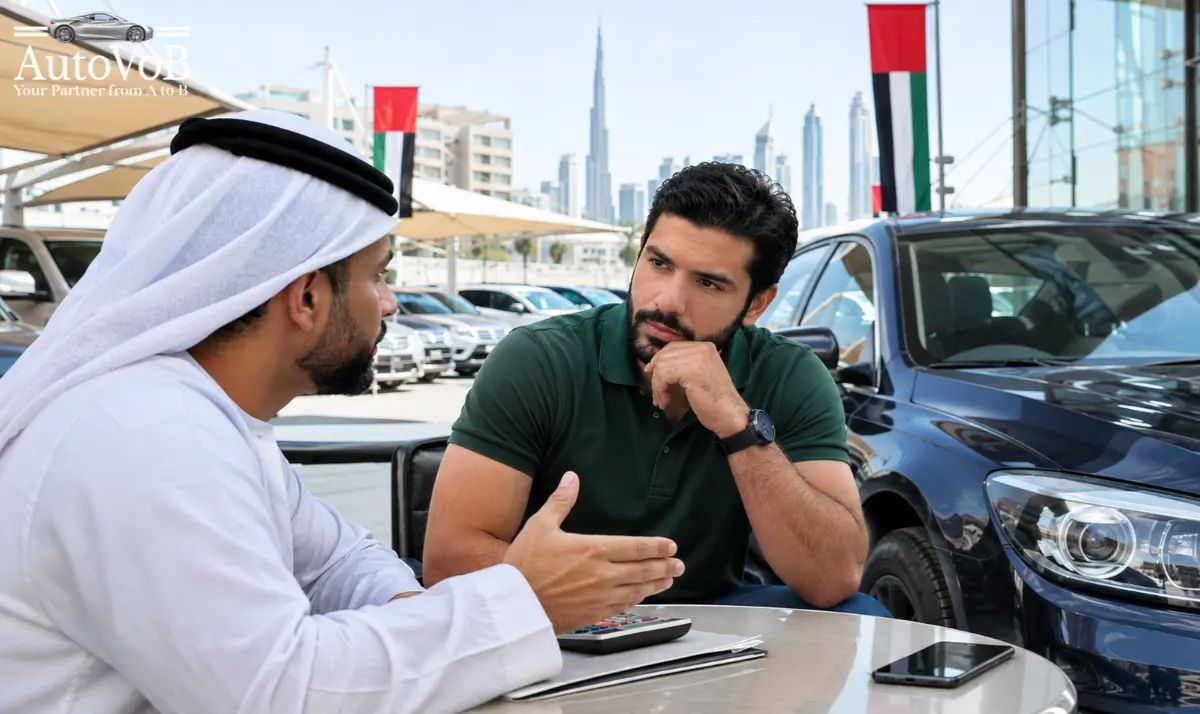
The bigger difference with a used car is where it comes from. Many bank products are built around cars bought through approved dealers or showrooms, because the bank needs a clean price quote and a seller it can pay directly. A car from a private seller can be harder to finance, so ask the bank early whether it accepts private sales before you agree a price.
What SAMA's rules mean for your monthly installment
The Saudi Central Bank (SAMA) sets the ceiling, and every licensed lender has to follow it. Under its Responsible Lending Principles, installments linked to salary deduction can't exceed 33.33% of gross salary for employees and 25% for retirees. Consumer finance terms are capped at 60 months.
There's also a cap on everything you owe each month. If your income is up to SAR 15,000, total monthly credit obligations can't pass 55% of income (65% for some housing-program mortgage holders). Between SAR 15,000 and SAR 25,000 the cap is 65%. Above SAR 25,000 it's left to the lender's own policy.
Your existing debts count. Credit cards, personal finance and any other installments are checked through your credit record, and they eat into the same 33.33%. A clean record and few open cards will do more for your approval than any trick at the showroom.
Also Read: Car Financing and Installments in Saudi Arabia
Documents banks ask for
The list is short, but missing one paper is the most common reason an application sits for a week. Bank Albilad's published list is typical for salaried applicants:
- A valid national ID or Iqama
- A valid Saudi driving licence
- A salary certificate from your employer
- An approved price quotation from the dealer or showroom
- Without salary transfer: the last 3 months of bank statements (stamped or with a QR code), a GOSI certificate showing salary, and your national address
Age limits apply too. At Bank Albilad applicants start at 18, and the customer can't be older than 65 at the last installment (75 for retirees). Other banks set their own minimum salary and time-in-job rules, so check them before you apply.
A worked SAR example
Say you earn SAR 8,000 gross a month and already pay SAR 1,200 a month on a personal finance. Your salary-deducted ceiling is 33.33% of SAR 8,000, which is about SAR 2,666. Take away the SAR 1,200 and you have roughly SAR 1,466 a month left for a car.
Now the car. You find a used sedan listed at SAR 60,000 and pay SAR 6,000 down, so SAR 54,000 is financed. Spread over the full 60 months, the price alone is SAR 900 a month before any profit charge. The bank's profit, quoted as a flat or reducing rate, sits on top, so your real figure will be higher. If the bank's quote pushes the installment past SAR 1,466, you'll need a bigger down payment, a cheaper car or fewer other debts.
Don't forget the running costs that come with financed cars. Comprehensive insurance for the full term is usually required, and on an older car it can be a large share of the yearly cost. Add registration renewal, the periodic inspection, servicing and tyres before you decide what you can carry.
Balloon payments and early settlement
Some leases offer a final balloon payment to bring the monthly installment down. Bank Albilad, for instance, lists an optional balloon of up to 50% of the vehicle price, with a 45,000 SAR balloon on a 100,000 SAR car in its example. A balloon makes the monthly figure look friendly, but you still owe that lump sum at the end, on a car that will be older and worth less by then.
If you plan to sell or swap the car before the term ends, ask for the early settlement terms in writing before you sign. Settlement has to happen before the car can change hands, so knowing the cost upfront saves a stressful sale later.
Picking a used car that is easy to finance
Finance goes smoother when the car is easy to value. Popular models with plenty of listings, a clear service history and a recent inspection give the bank and the insurer confidence. Before you take a quote to the bank, compare asking prices for used cars in Saudi Arabia so you know the price is in line with the market.
On AutoVoB, a search for a used Toyota Camry in Saudi Arabia shows how wide the spread is: older listings start in the low five figures in SAR, which puts the whole deal well inside many salary caps. If you live in the capital, browsing used cars in Riyadh lets you shortlist cars you can inspect in person before the bank visit.
Also Read: Fahas Saudi Arabia: Complete Vehicle Inspection Guide
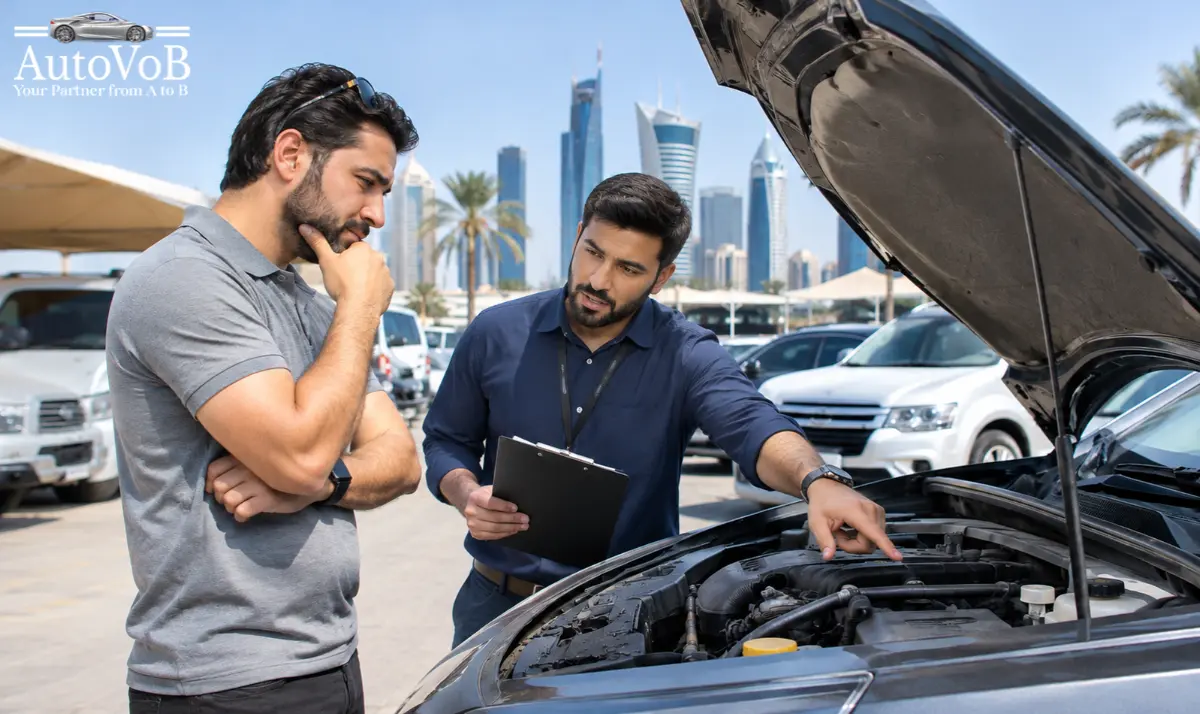
Get the car checked before you commit. An inspection report protects you, and it also answers the questions an insurer will ask about an older car. Then take the quote, your papers and your salary math to two or three banks and compare the total amount payable, not just the monthly figure.
The information in this guide is based on current data from SAMA and bank websites and can change at any time, so confirm the terms with the lender before you sign.
Sources: SAMA Rulebook, Quantitative Principles of Responsible Lending; SAMA Responsible Lending Principles for Individual Customers; Bank Albilad Auto Lease; AutoVoB Saudi Arabia listings.
FAQs
1.Can I get a loan for a used car in Saudi Arabia?
Yes. Banks and licensed finance companies offer auto lease and murabaha for used cars, often bought through approved dealers or showrooms. Approval depends on your salary, existing debts, credit record and the car itself, so ask the bank early if it accepts the car you have chosen.2.How much of my salary can go to a car installment in Saudi Arabia?
Under SAMA's Responsible Lending Principles, installments deducted from salary can't exceed 33.33% of gross salary for employees and 25% for retirees. Existing personal finance and card payments count toward that limit, so the room left for a car may be smaller than you expect.3.What is the longest term for used car finance in Saudi Arabia?
SAMA caps consumer finance at 60 months, so five years is the longest term you'll see for a car. A shorter term means a higher monthly installment but less profit paid overall. Some leases add an optional balloon at the end, which lowers the monthly figure but leaves a lump sum.4.What documents do I need for car finance in Saudi Arabia?
Banks usually ask for a valid ID or Iqama, a Saudi driving licence, a salary certificate and a price quote from the dealer or showroom. Without salary transfer, expect to add three months of bank statements, a GOSI certificate showing your salary and your national address too.5.Can expats in Saudi Arabia finance a used car?
Many banks finance non-Saudi residents with a valid Iqama, a Saudi licence and a steady salary, though rules differ by bank. Bank Albilad, for example, opens its auto lease to Saudis and non-Saudis. Expect checks on your job, salary level and how long your residency is valid.
When you're ready for the next step, AutoVoB Blogs has more straight-talking guides on buying, owning and selling a car in the Kingdom.