Science of Car Colors: Which Car Color Is Best?
Choosing a car is rarely just about the engine or features. Color plays a bigger role than most people admit. It affects how your car looks over time, how easy it is to maintain, how visible it is on the road, and even how much money you get when you sell it.
The science of car colors blends psychology, physics, and market behavior. Once you understand it, picking the right shade becomes less about guesswork and more about strategy.
Why Car Colors Matter More Than You Think
At first glance, car colors feel like a personal choice. But there are deeper factors at play.
Color influences visibility in traffic, heat absorption, maintenance effort, and resale value. It also shapes perception. A black car feels premium. A red car looks sporty. White suggests simplicity and cleanliness.
Manufacturers track color trends closely because they affect sales. Buyers tend to follow patterns, even if they think they are choosing independently.
The Psychology Behind Car Colors
Color affects how others see you and how you feel driving the car.
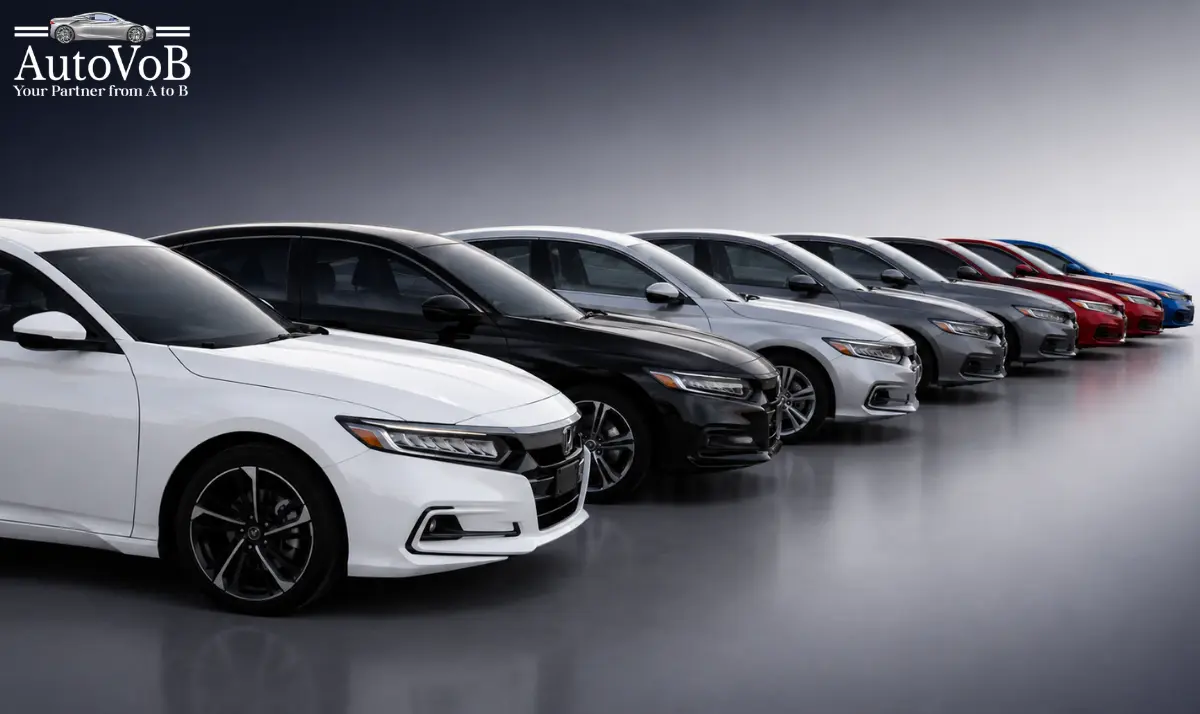
White and silver are seen as clean, modern, and safe. Black signals luxury and authority. Red attracts attention and often appeals to drivers who want a sportier image. Blue feels calm and reliable, while grey sits in a neutral, practical space.
These associations are not random. They come from decades of cultural conditioning and marketing.
The Science of Visibility and Safety
Visibility is one of the most important aspects of car colors.
Lighter colors like white, silver, and yellow reflect more light. This makes them easier to see during the day and in low light conditions. Dark colors like black or dark blue absorb light and can blend into the surroundings, especially at night or during bad weather.
Several studies have suggested that darker cars are more likely to be involved in accidents, particularly in low visibility conditions. This is not about driver behavior alone. It is about how quickly other drivers can notice your vehicle.
Heat Absorption and Climate Impact
Car colors directly affect how much heat your vehicle absorbs.
Dark colors absorb more sunlight and heat up faster. A black car parked in the sun can be significantly hotter inside than a white one. This matters in hot climates, where interior temperatures can become uncomfortable and increase the load on the air conditioning system.
Lighter shades reflect sunlight, keeping interiors cooler. Over time, this can even influence fuel efficiency in a small but measurable way.
Maintenance and Cleaning Reality
Not all car colors are equal when it comes to upkeep.
Black cars look stunning when clean, but they show dust, scratches, and swirl marks very easily. White cars hide dust better but can show mud and stains in rainy conditions. Silver and grey are often considered the most forgiving, as they mask dirt and minor imperfections well.
If you want a low maintenance option, neutral shades like silver, grey, or light blue are practical choices.
Resale Value and Market Trends
Resale value is where car colors become a financial decision.
Neutral car colors like white, silver, grey, and black tend to have higher resale value. They appeal to a wider audience, making the car easier to sell.
Bright or unusual colors like orange, purple, or lime green may stand out, but they limit your pool of potential buyers. That often leads to longer selling times or lower offers.
Trends also play a role. White has dominated global car color preferences for years, followed by black and grey. These patterns shift slowly, so safe colors remain safe investments.
Popular Car Colors and What They Say
Here is a quick breakdown of common car colors and their traits:
- White: Clean, modern, highly visible, strong resale value
- Black: Premium look, high maintenance, lower visibility at night
- Silver: Practical, hides dirt well, widely accepted
- Grey: Subtle, modern, easy to maintain
- Blue: Balanced, reliable, less common than neutrals
- Red: Bold, sporty, attracts attention
- Green and others: Unique, expressive, harder to resell
Are Bright Colors a Bad Choice?
Not necessarily.
Bright car colors offer better visibility and can reduce the risk of accidents in certain conditions. They also stand out, which some drivers prefer.
The trade-off is resale and long term appeal. What looks exciting today might not attract buyers a few years later.
Does Car Color Affect Insurance?
There is a common belief that red cars cost more to insure. In reality, insurance companies do not price policies based on color.
They focus on factors like engine size, model, age of the car, and driver history. Color may influence how a car is perceived, but it does not directly impact insurance premiums.
Also Read: What Is Self Healing PPF and How Does It Work for Cars?
So, Which Car Color Is Best?
There is no single answer, but there is a clear way to think about it.
If you want practicality, go for white, silver, or grey. They offer good visibility, lower maintenance stress, and strong resale value.
If you care about aesthetics and personal expression, choose a color you enjoy, but be aware of the trade-offs.
If you live in a hot climate, lighter shades make more sense. If you want a premium look and do not mind maintenance, black can be worth it.
The best choice depends on how you balance style, safety, and long term value.
FAQs
1. What is the most popular car color?
White is the most popular car color worldwide, followed by black and grey. These shades consistently rank at the top because they offer a clean, modern look and remain in demand across different regions. Their broad appeal also makes them easier to resell compared to niche or bold colors.
2. How to find paint color of car?
You can find your car’s paint color code on a manufacturer label, usually placed inside the driver side door frame, under the hood, or sometimes in the trunk area. It may also be listed in the owner manual. This code is essential when matching paint for repairs or touch ups.
3. What color car gets in the most accidents?
Research indicates that darker car colors, especially black and dark blue, are involved in more accidents compared to lighter shades. This is mainly because they are less visible in low light, fog, or rainy conditions, making it harder for other drivers to notice them quickly on the road.
4. Do car colors affect resale value?
Yes, car colors can significantly impact resale value. Neutral shades like white, silver, grey, and black are generally preferred by most buyers, which increases demand and resale potential. On the other hand, bright or unusual colors may limit buyer interest and reduce the final selling price.
5. Which car color is easiest to maintain?
Silver and grey are widely considered the easiest car colors to maintain because they hide dust, dirt, swirl marks, and minor scratches better than darker shades. This makes them ideal for daily use, especially in areas with frequent dust or changing weather conditions
Stay updated with AutoVoB blogs for more informative content.
AutoVoB is built for global vehicle buying and selling.