Freeze Plug in Cars: Functions, Signs and Replacement
Most drivers never think about a freeze plug until coolant starts leaking from the engine. Despite being small and inexpensive, these plugs play an important role in keeping your engine's cooling system sealed. When one fails, it can lead to overheating, coolant loss, and expensive engine repairs if ignored.
There is also plenty of confusion about what these components actually do. Many people believe they exist only to protect the engine from freezing temperatures. While that idea has some historical basis, the real purpose of a freeze plug is quite different.
This guide explains everything you should know about the freeze plug, including its function, location, signs of failure, replacement process, and maintenance tips that can help prevent costly repairs.
What Is a Freeze Plug?
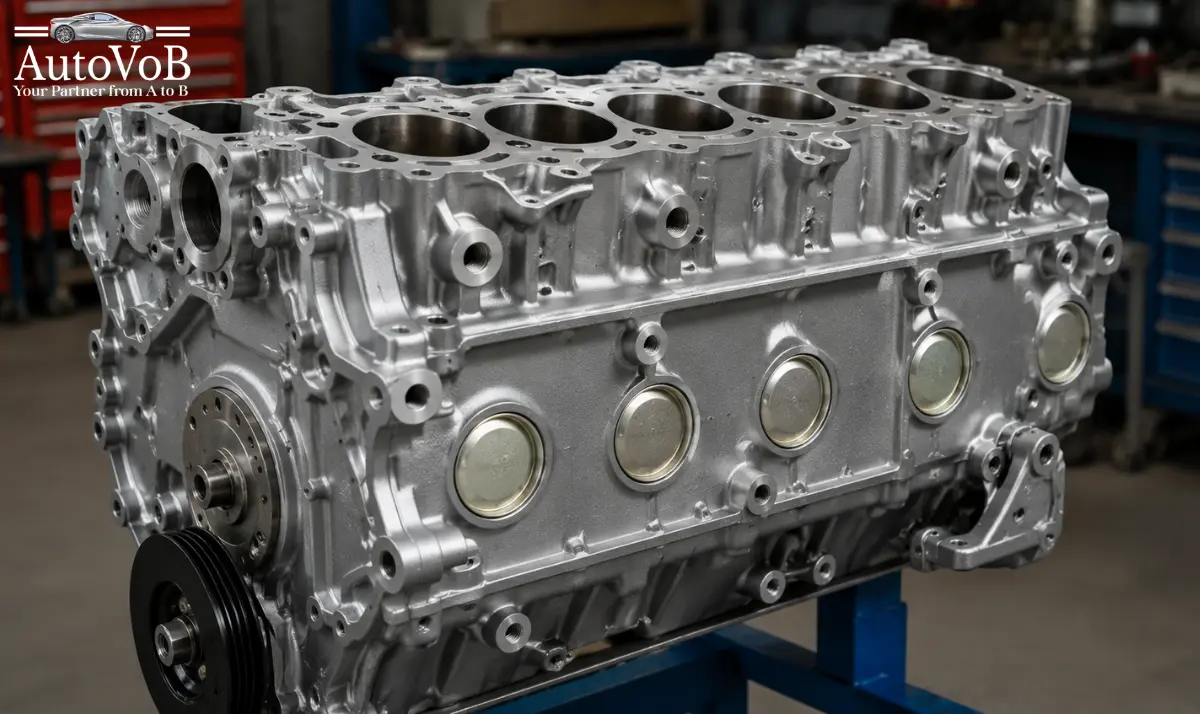
A freeze plug, also called a core plug, expansion plug, or Welch plug, is a small metal disc installed in openings on the engine block and sometimes the cylinder head. These openings are created during the engine casting process and must be sealed once manufacturing is complete.
The term car freeze plug is commonly used in repair shops and by vehicle owners, but engineers generally refer to them as core plugs because sealing manufacturing holes is their primary job.
Most freeze plugs are made from:
- Steel
- Brass
- Aluminum
Some aftermarket repair kits also use rubber expansion plugs for temporary or difficult repairs, although metal plugs remain the preferred long-term solution.
Why Do Engines Have Freeze Plugs?
During engine manufacturing, sand cores are used to form the internal coolant passages inside the engine block. After the casting process is complete, the sand must be removed through access holes.
Those holes cannot remain open because coolant would immediately leak out. Freeze plugs permanently seal these openings and keep coolant circulating inside the engine.
Many people believe freeze plugs are designed to pop out when coolant freezes. While this can occasionally happen under extreme conditions, modern automotive engineers do not consider freeze protection their primary purpose. Proper coolant and antifreeze mixtures are what actually prevent freeze damage.
Where Are Freeze Plugs Located?
The exact number and location depend on the engine design.
Most engines have freeze plugs:
- Along both sides of the engine block
- Near the rear of the engine
- On certain cylinder heads
- Around the engine's coolant passages
Some are easy to access from the side of the engine, while others may require removing the transmission, exhaust components, or engine mounts before replacement.
Because of these accessibility differences, labor costs often vary much more than the cost of the plug itself.
What Causes Freeze Plugs to Fail?
Freeze plugs are constantly exposed to coolant and changing engine temperatures. Over time, this environment can weaken the metal.
The most common causes include:
Corrosion
Corrosion is the leading reason a freeze plug fails. Engine coolant contains additives that protect metal surfaces from rust. As coolant ages, these additives lose effectiveness, allowing corrosion to attack the plugs.
Poor Coolant Maintenance
Using plain water instead of the recommended coolant accelerates rust formation. Skipping scheduled coolant replacement also increases the risk of corrosion.
Electrolysis
Small electrical currents inside the cooling system can gradually eat away at metal components. This process, called electrolysis, can shorten the life of freeze plugs.
Physical Damage
Road debris, improper installation, or accidental damage during engine repairs may weaken a plug and eventually cause leakage.
Symptoms of a Bad Freeze Plug
A failing freeze plug usually gives several warning signs before complete failure.
Coolant Leaking Under the Vehicle
One of the earliest symptoms is a puddle of coolant beneath the engine. The leak may become more noticeable after the engine reaches operating temperature.
Low Coolant Level
If the coolant reservoir repeatedly needs topping up without any obvious radiator or hose leaks, a leaking freeze plug could be responsible.
Engine Overheating
Coolant loss reduces the cooling system's ability to regulate engine temperature. Continued driving with low coolant can cause serious engine damage.
Sweet Smell Around the Engine
Engine coolant has a distinctive sweet odor. If this smell becomes noticeable around the engine bay, coolant may be leaking from a damaged freeze plug.
Visible Rust Around the Plug
A visual inspection may reveal rust stains, corrosion, or moisture around the edge of the plug.
Can You Drive with a Leaking Freeze Plug?
Driving with a leaking freeze plug is not recommended.
A small leak can quickly become a large one, causing rapid coolant loss. If the engine overheats, repairs may extend far beyond replacing a simple plug. Severe overheating can damage the head gasket, warp the cylinder head, or even crack the engine block.
If you notice coolant leaking from the engine block, have the cooling system inspected as soon as possible.
How Is a Freeze Plug Replaced?
Replacing a freeze plug is usually a straightforward repair for an experienced mechanic, although accessibility varies greatly between vehicles.
The typical replacement process includes:
- Drain the engine coolant.
- Remove components blocking access.
- Extract the damaged plug.
- Clean the mounting surface thoroughly.
- Install a correctly sized replacement plug.
- Refill the cooling system.
- Bleed air from the cooling system.
- Check carefully for leaks.
Some rear engine plugs require significant disassembly, making labor the largest part of the repair cost.
How Much Does Freeze Plug Replacement Cost?
The freeze plug itself is relatively inexpensive. Metal plugs generally cost only a small amount compared to the labor required for installation.
The final repair bill depends on:
- Engine design
- Plug location
- Labor rates
- Number of plugs needing replacement
An easily accessible plug may require only a short repair, while hidden plugs behind the transmission or engine can involve several hours of labor.
How to Make Freeze Plugs Last Longer
Although freeze plugs eventually wear with age, proper maintenance can significantly extend their service life.
Replace Coolant on Schedule
Fresh coolant contains corrosion inhibitors that protect metal components throughout the cooling system.
Use the Correct Coolant
Always use the coolant type recommended by the vehicle manufacturer. Mixing incompatible coolants can reduce corrosion protection.
Never Use Plain Water
Water alone promotes rust inside the engine and offers little protection against freezing or boiling.
Fix Cooling System Problems Early
Leaks, overheating, and contaminated coolant should never be ignored. Small issues often lead to much larger repairs if left untreated.
Inspect During Major Engine Service
Whenever major engine work is performed, ask the technician to inspect visible freeze plugs for signs of corrosion or leakage.
Also Read: Car Defogger Explained: Working, Uses, Types & Repair
Final Thoughts
The freeze plug is one of the smallest components in an engine, yet it performs an essential sealing function that keeps coolant where it belongs. While many people associate it with freezing temperatures, its primary purpose is to seal manufacturing openings in the engine block.
Regular coolant maintenance is the best way to extend the life of every car freeze plug. Paying attention to coolant leaks, overheating, and signs of corrosion can help you catch problems early and avoid expensive engine damage.
Like many cooling system components, freeze plugs are easy to overlook until they fail. A little preventive maintenance can save you from major repairs later.
FAQs
1. What are freeze plugs in a car?
Freeze plugs are metal discs that seal manufacturing holes in the engine block and cylinder head. They keep coolant inside the cooling system and help maintain proper engine temperature. They are also called core plugs or expansion plugs.
2. What causes a freeze plug to leak?
Most freeze plug leaks are caused by corrosion from old coolant, rust, electrolysis, or poor cooling system maintenance. Physical damage or improper installation can also weaken the plug and allow coolant to escape.
3. Can you drive with a leaking freeze plug?
Driving with a leaking freeze plug is risky because coolant loss can quickly lead to engine overheating. Continued operation may damage the head gasket, cylinder head, or engine block, making repairs much more expensive.
4. How long do freeze plugs last?
Freeze plugs often last 10 years or longer when the cooling system is properly maintained. Regular coolant replacement and using the correct antifreeze help reduce corrosion and significantly extend their service life.
5. How do you know if a freeze plug is bad?
Common signs include coolant puddles under the vehicle, falling coolant levels, overheating, a sweet coolant smell, and visible rust around the plug. A pressure test can help confirm whether the freeze plug is leaking.
Keep exploring AutoVoB blogs for more insightful articles.
One platform, every vehicle, worldwide access with AutoVoB.