Car Defogger Explained: Working, Uses, Types & Repair
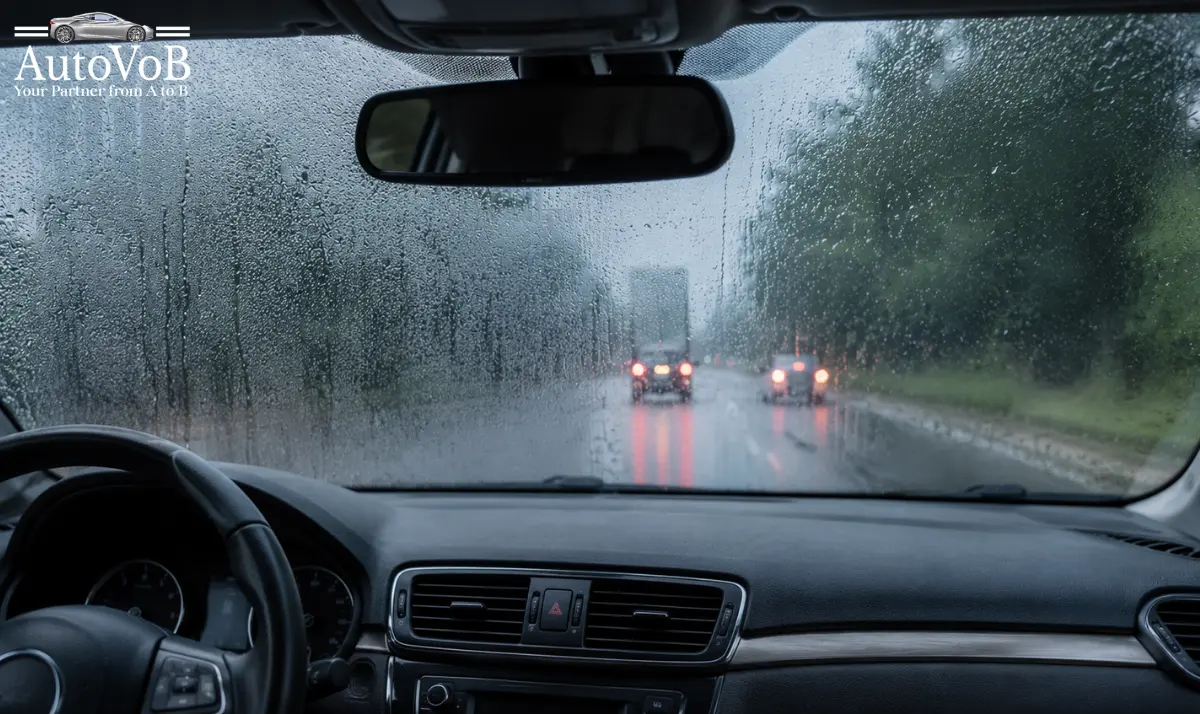
Anyone who has driven through a foggy morning or a sudden monsoon downpour knows the feeling. One minute the road is clear, the next your windshield turns into a frosted sheet of glass and you can barely see the car ahead. This is where a car defogger earns its keep, quietly doing one of the most important jobs in your vehicle: keeping your view of the road clear.
Most drivers press the defogger button without ever wondering how it works, what makes it different from the AC, or why cars have two separate defogger systems instead of one. This blog breaks that down in plain language, along with the types you'll find on the road today and what to do when a defogger stops working as it should.
What Exactly Is a Car Defogger?
A car defogger, sometimes called a demister or defroster, is a built-in system designed to clear condensation, mist, or frost from your car's glass surfaces. It works primarily on the windshield and rear window, and on many modern vehicles, the side mirrors too.
The fog you see on your windows is condensation, plain and simple. It forms when there's a noticeable temperature gap between the air inside your cabin and the air outside. Warm, moist air meets cooler glass, and the moisture settles on the surface as tiny water droplets. Add a few wet umbrellas, damp floor mats, or a car full of passengers breathing inside a closed cabin, and that fog builds up fast. A car defogger exists purely to fight this condensation and restore clear visibility within minutes.
How Does a Car Defogger Work?
Here's where it gets interesting, because the front and rear defoggers in your car don't actually work the same way. They rely on two completely different mechanisms to do the same job.
The front defogger operates through your car's HVAC system, the same setup responsible for heating and cooling the cabin. When you switch it on, the system pulls in air, warms it through the heater core, and channels it directly onto the windshield through vents at the base of the glass. This warm, dry air raises the windshield's interior surface temperature, which evaporates the moisture sitting on it. Since this system pushes a large volume of air, it tends to clear heavier fog more effectively than the rear system does.
The rear defogger takes a different route entirely. Instead of blowing air, it uses thin electrical heating elements, usually visible as a grid of fine horizontal lines across the rear glass. When activated, current flows through these lines, heating the glass directly from within rather than blowing air onto it. This is why rear defoggers tend to clear the window evenly and don't depend on cabin airflow at all. Many cars link this same circuit to the side mirrors, so turning on the rear defogger clears your mirrors too.
Why Car Defoggers Matter More Than People Think
It's tempting to treat a foggy windshield as a minor annoyance you can wipe away with your sleeve. In practice, it's a genuine safety issue. A blurred windshield delays your reaction time, hides pedestrians and vehicles, and can turn a routine drive into a dangerous one within seconds, especially on highways or hill roads where visibility already drops during rain or early morning fog.
The rear windshield carries its own risks too. A foggy rear window makes lane changes and reversing far riskier, since you're essentially driving blind to what's behind you. This is exactly why most cars sold today, even budget hatchbacks, come with a standard rear defogger, while the front system is built into the HVAC unit by default.
There's a smaller, practical benefit too. Clearing cabin air efficiently through the AC, rather than relying purely on heat, tends to use less energy over a drive, which works in your favour on longer trips.
Types of Defoggers in Cars Today
While the front and rear systems are the foundation, the way manufacturers implement them has evolved quite a bit.
HVAC-based front defogger: The standard setup in virtually every car, using the existing climate control system, so there's no extra hardware involved beyond vent placement and control logic.
Electric grid rear defogger: Found on the rear glass of most cars today, using embedded wires or a printed conductive grid. It's fast and runs independent of the engine's heating cycle.
Side mirror defoggers: Increasingly common on mid and higher trim variants, these usually share the same electrical circuit as the rear defogger and activate together with it.
Automatic humidity-sensing defoggers: Some newer vehicles now come with sensors that detect rising humidity inside the cabin and trigger the defogger automatically, without the driver having to notice the fog first.
Heated windshield technology: A few premium vehicles are moving toward fully heated front windshields using a transparent conductive coating, rather than relying solely on warm air. It's not mainstream yet, but it points to where the technology is headed.
How to Use a Defogger in Your Car the Right Way
Using a defogger sounds straightforward, but a surprising number of drivers either use it inefficiently or skip a step that would clear the glass faster.
For the front windshield, start the engine and press the defogger button, usually marked with a windshield icon and wavy lines rising off it. Turn off the air recirculation mode so fresh outside air enters the cabin instead of recycled cabin air, which tends to carry more moisture. Set the temperature warm if it's cold outside, or moderate if conditions are warmer, and raise the fan speed to circulate air faster across the glass. Switching on the AC alongside this pulls moisture out of the air, which speeds things up noticeably.
For the rear windshield, locate the rear defogger button, usually marked with a rectangle and horizontal lines, and press it. There's nothing else to adjust. The heating grid does its job within a few minutes, and many systems switch off automatically after a set duration to save power. If fog is still present after it shuts off, simply activate it again.
A small habit worth building: turn the defogger off once the glass is clear. Leaving it running unnecessarily drains the battery slightly and dries out the cabin air more than needed.
Common Car Defogger Repair Issues and What Causes Them
Like any system in your car, defoggers don't last forever without basic upkeep, and a few problems show up again and again.
A weak or unresponsive rear defogger is usually a sign of a broken heating line. Since the rear grid is made of thin conductive wires bonded to the glass, scratches from ice scrapers, rough cleaning, or roof cargo rubbing against the window can snap a line and create a dead zone where fog refuses to clear. This kind of car defogger repair often involves a conductive repair kit that essentially solders the broken section back together, and it's a fairly affordable fix compared to replacing the entire windshield.
A front defogger that blows weak or lukewarm air is more often tied to the HVAC system itself. Blocked vents, a clogged cabin air filter, low coolant, or a malfunctioning blower motor can all weaken airflow. Before assuming the worst, it's worth checking whether dust has simply built up near the windshield vents, since something this simple is a frequent culprit.
If the defogger doesn't turn on at all, the issue could be electrical, ranging from a blown fuse to a faulty relay or switch. This is usually quick to diagnose and inexpensive to fix once a mechanic checks the wiring.
Routine maintenance goes a long way in avoiding these issues altogether. Keep the windshield and rear glass clean using non-abrasive cleaners, avoid scraping ice directly over the heating lines, and get the HVAC system serviced periodically so airflow stays consistent.
A Feature Worth Paying Attention To
A car defogger isn't the flashiest feature on a spec sheet, but it's one you'll genuinely rely on the moment weather turns against you. Knowing how the front and rear systems differ, using them correctly instead of just pressing a button and hoping for the best, and catching early signs of trouble before they turn into a bigger car defogger repair job will keep your visibility sharp through every season.