Electric vs Hydraulic Power Steering: Which System Is Better?
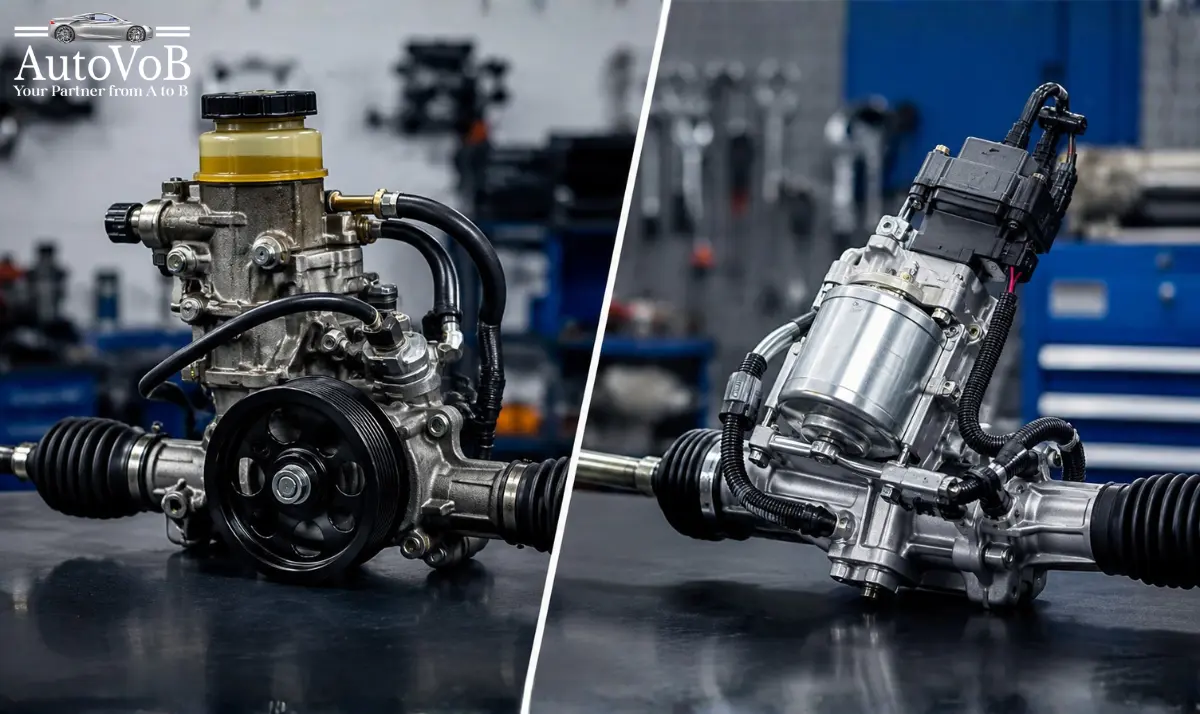
Power steering transformed the way people drive. Turning the wheel at low speeds no longer requires much effort, parking became easier, and long drives became less tiring.
Today, most new vehicles use electric power steering, while older cars and some performance vehicles still rely on hydraulic systems. This shift has sparked a common debate among car buyers and enthusiasts, electric vs hydraulic power steering, which one is actually better?
The answer depends on what matters most to you. Fuel efficiency, maintenance costs, driving feel, and long term reliability all play a role.
Let's break it down.
What Is Power Steering?
Power steering is a system that helps the driver turn the steering wheel with less effort. Without it, steering a vehicle, especially at low speeds, would require significantly more force.
Modern vehicles generally use one of two systems:
- Hydraulic Power Steering or HPS
- Electric Power Steering or EPS
Both serve the same purpose, but they achieve it in very different ways.
How Hydraulic Power Steering Works
Hydraulic power steering uses pressurized hydraulic fluid to assist steering.
A pump, usually driven by the engine through a belt, continuously circulates hydraulic fluid. When the driver turns the wheel, valves direct this pressurized fluid to a piston inside the steering rack. The piston helps move the wheels, reducing the effort needed at the steering wheel.
The system consists of:
- Hydraulic pump
- Steering rack and piston
- Hydraulic fluid reservoir
- High pressure hoses
- Control valves
Because the pump runs constantly, the system always consumes some engine power, even when steering assistance is not required.
Hydraulic steering dominated the automotive industry for decades and earned a reputation for delivering excellent steering feedback and a natural feel.
How Electric Power Steering Works
Electric power steering uses an electric motor instead of hydraulic fluid.
Sensors measure steering angle, steering torque, and vehicle speed. An electronic control unit processes this information and instructs an electric motor to provide the right amount of assistance.
The motor may be mounted:
- On the steering column
- On the steering rack
- Directly on the pinion gear
Unlike hydraulic systems, EPS only draws power when steering assistance is required.
This improves efficiency and allows the steering system to integrate with advanced safety features such as:
- Lane keeping assist
- Automatic parking
- Lane centering
- Collision avoidance systems
This is one of the main reasons automakers have widely adopted EPS in modern vehicles.
Electric vs Hydraulic Power Steering: Major Differences
1. Fuel Efficiency
Electric power steering has a clear advantage.
Hydraulic systems rely on an engine driven pump that runs continuously. This creates a constant load on the engine and slightly reduces fuel economy.
Electric steering only consumes electricity when the driver turns the wheel. That makes EPS more energy efficient and helps manufacturers meet stricter fuel economy standards.
For hybrid and electric vehicles, EPS is practically essential because there is no engine driven belt system to power a hydraulic pump.
2. Steering Feel
This is where opinions differ.
Hydraulic steering has traditionally been praised for offering better road feedback. Drivers can feel changes in road texture, tire grip, and steering resistance more naturally.
Many driving enthusiasts prefer hydraulic steering because it creates a stronger connection between the driver and the road.
Electric steering, especially older systems, was often criticized for feeling numb or artificial.
However, modern EPS systems have improved dramatically. Manufacturers now tune steering software carefully, and many modern sports cars offer excellent steering feel while using electric assistance.
If pure driving engagement matters most, hydraulic still has an edge for many enthusiasts.
For everyday driving, the difference is much smaller than it used to be.
3. Maintenance Requirements
Maintenance is one of the biggest differences in the electric vs hydraulic power steering debate.
Hydraulic systems require:
- Regular fluid inspections
- Occasional fluid replacement
- Hose inspections
- Leak repairs
- Pump maintenance
Leaks are one of the most common hydraulic steering problems. Over time, seals and hoses wear out and require replacement.
Electric power steering eliminates:
- Hydraulic fluid
- Fluid reservoirs
- Pumps
- Hoses
This means fewer parts that require regular servicing.
In general, EPS systems have lower routine maintenance costs.
4. Reliability
Both systems can be reliable when properly maintained.
Hydraulic steering has been around for decades. Mechanics understand it well, and replacement parts are widely available.
However, hydraulic systems have more moving parts, increasing the chances of leaks, pump failures, or worn seals.
Electric power steering has fewer mechanical components but depends heavily on electronics.
Possible EPS failures include:
- Faulty steering angle sensors
- Motor failures
- Wiring issues
- Electronic control module failures
Although these failures are relatively uncommon, repairs can sometimes be expensive because of the electronics involved.
Modern EPS systems have proven to be highly reliable and are now standard in most vehicles.
5. Weight and Packaging
Electric systems are lighter.
Hydraulic steering requires:
- Pump
- Reservoir
- Hydraulic lines
- Fluid
- Belt driven components
All these parts add weight.
EPS uses a compact motor and electronic controls, reducing overall vehicle weight.
Lighter vehicles usually offer:
- Better fuel economy
- Improved efficiency
- Easier packaging for manufacturers
- Lower emissions
This is another reason why automakers are shifting toward electric steering.
Hydraulic Power Steering vs Electric Power Steering in Daily Driving
For city driving, electric steering is usually more comfortable.
The steering wheel feels lighter while parking and maneuvering in tight spaces. Variable steering assistance can also adjust automatically depending on vehicle speed.
Hydraulic steering often feels heavier at low speeds.
On highways, both systems perform well, although hydraulic steering may provide more feedback about road conditions.
Most drivers who use their vehicles for commuting, family trips, or daily errands are unlikely to miss hydraulic steering.
Enthusiasts who prioritize steering feel may still prefer hydraulic systems.
Why Modern Cars Use Electric Steering
The shift toward EPS is not a coincidence.
Manufacturers prefer electric steering because it offers several advantages:
- Better fuel efficiency
- Lower emissions
- Reduced maintenance
- Lower vehicle weight
- Easier integration with driver assistance systems
- Compatibility with hybrid and electric vehicles
Features like lane centering and self parking depend heavily on electric steering because computers can directly control the steering motor.
Hydraulic systems cannot offer this level of electronic integration.
Also Read: Left Hand Drive or Right Hand Drive, What’s the Difference?
So, Which Is Better?
The answer depends on your priorities.
Choose electric power steering if you want:
- Better fuel economy
- Lower maintenance
- Modern safety features
- Easier city driving
- Compatibility with future technologies
Choose hydraulic power steering if you want:
- Better steering feedback
- A more connected driving experience
- Traditional mechanical feel
- Easier diagnosis of mechanical issues
For most drivers today, electric power steering is the better choice.
It is efficient, reliable, and works seamlessly with the advanced technologies that modern vehicles offer.
For driving enthusiasts, though, hydraulic steering still holds a special place because of its natural feel and direct connection to the road.
The debate around hydraulic power steering vs electric power steering will continue, but the automotive industry has clearly chosen its direction. Electric steering is now the standard, and it is only getting better with each generation.
FAQs
1. What is the main difference between electric and hydraulic power steering?
Electric power steering uses sensors and an electric motor to provide steering assistance only when needed. Hydraulic power steering uses pressurized fluid and an engine driven pump that runs continuously, making it heavier and less efficient.
2. Is electric power steering better than hydraulic?
For most drivers, yes. Electric steering offers better fuel efficiency, lower maintenance, and support for advanced safety features. Hydraulic steering still appeals to enthusiasts because it provides stronger road feedback and a more natural steering feel.
3. How to convert hydraulic power steering to electric power steering?
Converting hydraulic power steering to EPS is possible using aftermarket conversion kits or custom setups. The process involves removing pumps, hoses, and fluid lines, then installing an electric motor, sensors, and control modules. Costs can be significant.
4. Does electric power steering require maintenance?
Electric power steering requires very little routine maintenance because it has no hydraulic fluid, pumps, or hoses. Periodic inspections of electrical components and software diagnostics are usually enough to keep the system operating properly.
5. Why do modern cars prefer electric power steering?
Modern cars use EPS because it improves fuel efficiency, reduces vehicle weight, lowers maintenance needs, and supports technologies like lane keeping assist, automatic parking, and autonomous driving features.
Follow AutoVoB blogs for more useful and informative updates.
Buy or sell any vehicle globally with AutoVoB.