Car Brake Fluid Guide: Types, Checks and Replacement
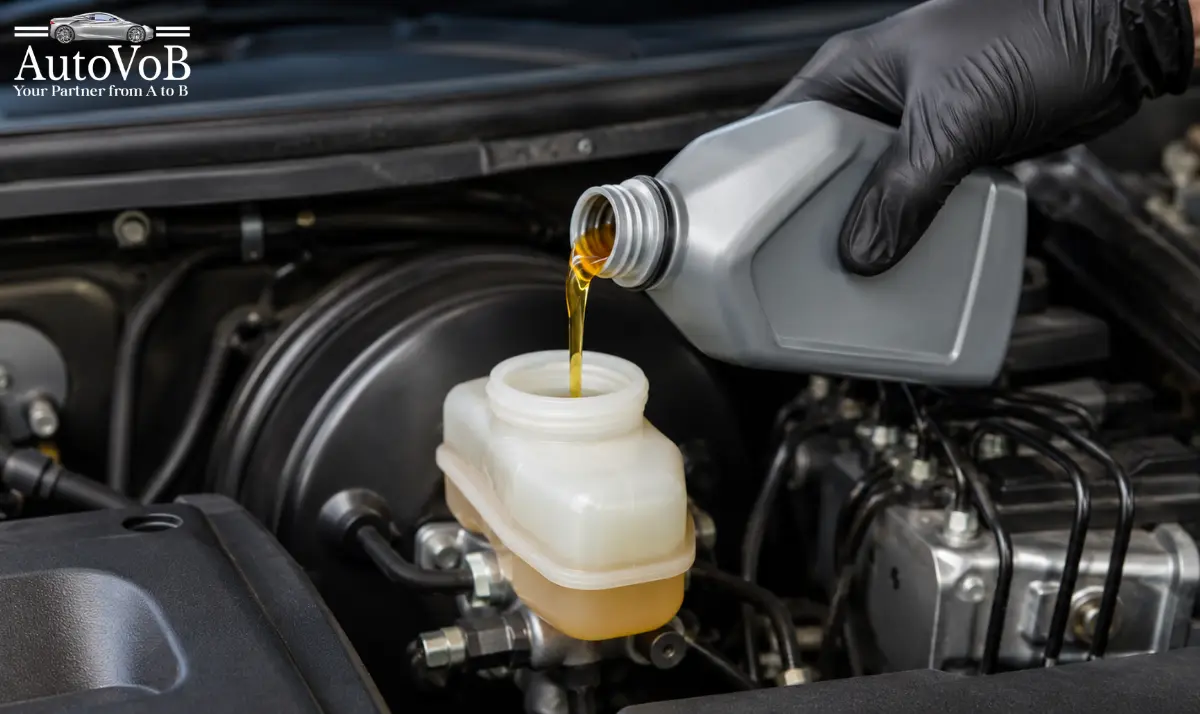
Brake fluid is one of the most overlooked fluids in a vehicle, yet it plays a direct role in safety. Without it, your brakes simply would not work the way they should. Many drivers remember oil changes and tire pressure checks, but ignore brake fluid until the brake pedal starts feeling soft or the stopping distance increases.
Understanding how brake fluid works can help you maintain better braking performance, prevent expensive repairs, and stay safer on the road. Whether you drive daily in city traffic or take long highway trips, keeping the right brake fluid in good condition matters more than most people realize.
What Is Brake Fluid?
Brake fluid is a hydraulic fluid used in a vehicle’s braking system. When you press the brake pedal, the fluid transfers force through brake lines to the calipers or wheel cylinders. That pressure allows the brake pads or shoes to slow the wheels.
Unlike engine oil, brake fluid does not lubricate moving engine parts. Its main job is pressure transfer. Because hydraulic systems rely on consistent pressure, the fluid must remain stable under high temperatures and changing driving conditions.
Modern vehicles mostly use glycol-based brake fluids, though some specialized systems use silicone-based variants.
Why Car Brake Fluid Is Important
Your vehicle’s braking system depends entirely on hydraulic pressure. If the brake fluid becomes contaminated, overheated, or too old, braking efficiency drops.
Here is why maintaining car brake fluid is essential:
Maintains Braking Performance
Brake fluid ensures immediate pressure transfer from the pedal to the brakes. Clean fluid gives better pedal response and smoother braking.
Handles High Temperatures
Braking generates intense heat, especially during downhill driving or sudden stops. Brake fluid is designed to resist boiling under those temperatures.
Prevents Corrosion
Brake systems contain metal components that can corrode over time. Quality brake fluid contains additives that reduce rust and internal damage.
Protects ABS Systems
Modern anti-lock braking systems rely on clean hydraulic fluid for accurate operation. Dirty brake fluid can damage ABS components and sensors.
Types of Brake Fluid
Not all brake fluids are the same. Using the wrong type can damage seals, reduce braking performance, or even cause brake failure.
Here are the most common types:
DOT 3 Brake Fluid
DOT 3 is glycol-based and commonly found in older vehicles and economy cars. It absorbs moisture over time, which lowers its boiling point.
It is affordable and widely available, but usually requires more frequent replacement than higher-grade options.
DOT 4 Brake Fluid
DOT 4 is also glycol-based but has a higher boiling point than DOT 3. It performs better under heavy braking conditions and is common in modern vehicles.
Many SUVs, sedans, and performance-oriented cars use DOT 4 brake fluid.
DOT 5 Brake Fluid
DOT 5 is silicone-based and does not absorb moisture like glycol fluids. It is mostly used in military vehicles, classic cars, and some specialty applications.
It should not be mixed with DOT 3 or DOT 4 fluids.
DOT 5.1 Brake Fluid
DOT 5.1 is glycol-based despite its name. It offers very high boiling points and improved performance for demanding driving conditions.
It is commonly used in performance vehicles and advanced braking systems.
Signs Your Brake Fluid Needs Attention
Brake fluid does not last forever. Over time, it absorbs moisture from the air, which affects performance and internal components.
Watch for these warning signs:
Soft or Spongy Brake Pedal
If the brake pedal feels soft or sinks lower than usual, contaminated or old brake fluid could be the reason.
Longer Stopping Distance
When brake fluid loses effectiveness, your vehicle may take longer to stop.
Brake Warning Light
Many vehicles monitor brake fluid levels electronically. A warning light can indicate low fluid or system problems.
Burning Smell During Braking
Overheated brake fluid can create a sharp burning odor during aggressive or repeated braking.
Dark or Dirty Fluid
Fresh brake fluid is usually clear or light amber. Dark brown or black fluid often signals contamination and age.
How to Check Brake Fluid
Checking brake fluid is simple and only takes a few minutes. Most drivers can do it at home without tools.
Step 1: Park on a Flat Surface
Turn off the engine and allow the vehicle to cool down before opening the hood.
Step 2: Locate the Brake Fluid Reservoir
The reservoir is usually near the firewall on the driver’s side of the engine bay. It often has a label showing the recommended brake fluid type.
Step 3: Inspect the Fluid Level
Most reservoirs have minimum and maximum markings. The fluid should sit between these lines.
Step 4: Check Fluid Condition
Look at the color of the brake fluid. Clean fluid appears transparent with a slight amber tint. Dark or cloudy fluid should be replaced.
Step 5: Use the Correct Fluid
If topping up is necessary, always use the exact brake fluid specified in the owner’s manual.
How Often Should Brake Fluid Be Replaced?
Most manufacturers recommend replacing brake fluid every two to three years, though intervals can vary depending on driving habits and climate.
Frequent heavy braking, humid weather, and mountainous driving can shorten fluid life.
Ignoring replacement intervals increases the risk of moisture contamination, corrosion, and reduced braking performance.
How Brake Fluid Replacement Works
Replacing brake fluid involves draining old fluid and bleeding fresh fluid through the braking system.
Here is a simplified overview of the process:
Remove Old Fluid
The old brake fluid is extracted from the reservoir using a vacuum pump or syringe.
Add Fresh Fluid
New fluid is added according to manufacturer specifications.
Bleed the Brake Lines
Each wheel brake assembly is bled to remove trapped air and old fluid.
Test the Brake Pedal
The pedal should feel firm and responsive after replacement.
Because brake systems are safety-critical, many drivers prefer professional servicing. Improper bleeding can leave air in the lines, reducing braking effectiveness.
Can You Mix Different Brake Fluids?
Some brake fluids are compatible, while others are not.
- DOT 3, DOT 4, and DOT 5.1 are generally compatible because they are glycol-based.
- DOT 5 should never be mixed with glycol-based fluids.
Even when fluids are technically compatible, mixing different grades can reduce overall performance. Using the manufacturer-recommended fluid is always the safest choice.
What Happens If Brake Fluid Is Ignored?
Old or contaminated brake fluid can create serious problems over time.
Possible consequences include:
- Reduced braking power
- Brake fade during high temperatures
- Corrosion inside brake lines and calipers
- Damage to ABS modules
- Increased repair costs
- Complete brake failure in severe cases
A small maintenance task today can prevent major repairs later.
Tips to Keep Your Brake System Healthy
Good brake maintenance goes beyond changing pads and rotors.
Inspect Fluid Regularly
Check brake fluid levels every few months or during oil changes.
Avoid Opening the Reservoir Unnecessarily
Brake fluid absorbs moisture quickly when exposed to air.
Use Fresh Fluid Only
Never use brake fluid from an old, previously opened container.
Follow Manufacturer Recommendations
Always match the specified brake fluid type and replacement interval.
Pay Attention to Brake Feel
Changes in pedal firmness or stopping behavior should never be ignored.
Also Read: How to Do a Proper Brakes Inspection in Cars
Final Thoughts
Brake fluid may not get the same attention as engine oil or tires, but it is one of the most important fluids in any vehicle. Clean, properly maintained car brake fluid helps ensure reliable stopping power, protects expensive braking components, and supports safer driving in all conditions.
Knowing the different types of brake fluid, understanding warning signs, and checking fluid condition regularly can help you avoid unexpected brake problems. A healthy braking system does not happen by accident. It comes from routine attention and proper maintenance.
FAQs
1. What does brake fluid do in a car?
Brake fluid transfers hydraulic pressure from the brake pedal to the braking components at each wheel. It also helps resist heat, protect metal parts from corrosion, and maintain smooth braking performance in different driving conditions.
2. How do I know if my car brake fluid is bad?
Dark color, a soft brake pedal, longer stopping distance, or a brake warning light can indicate bad brake fluid. Moisture contamination and aging reduce performance, making regular inspection and timely replacement important.
3. Can I drive with low brake fluid?
Driving with low brake fluid is risky because it reduces hydraulic pressure and braking efficiency. In severe cases, it can lead to brake failure. The issue should be checked and corrected immediately before driving further.
4. How often should brake fluid be replaced?
Most vehicles need brake fluid replacement every two to three years. Heavy braking, humid climates, and aggressive driving can shorten its lifespan. Always follow the maintenance schedule recommended by the vehicle manufacturer.
5. Is DOT 4 better than DOT 3 brake fluid?
DOT 4 brake fluid generally has a higher boiling point than DOT 3, making it better for modern vehicles and demanding driving conditions. However, the correct choice depends on the manufacturer’s specifications for your car.
Follow AutoVoB blogs for more useful and informative articles
Buy or sell any vehicle globally with AutoVoB