How to Do a Proper Brakes Inspection in Cars
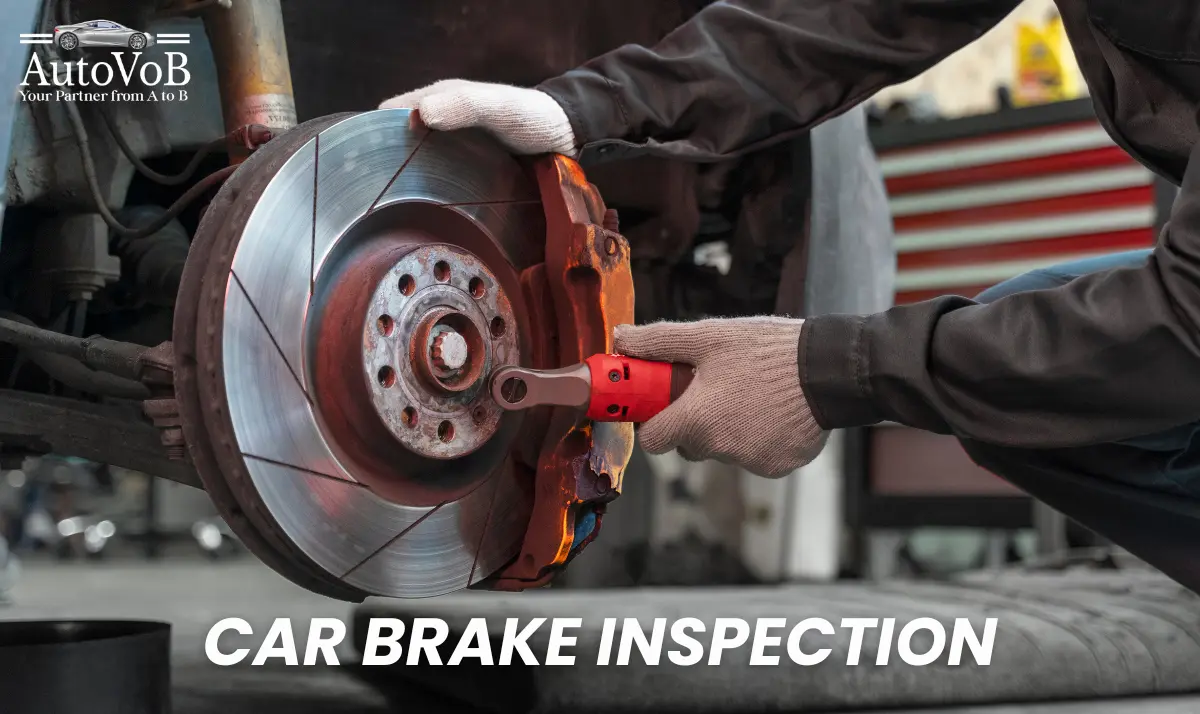
Brakes are the single most important safety system in your car. If they fail, nothing else matters. That’s why a regular brakes inspection is not just good practice, it’s essential. The good news is you don’t need to be a professional mechanic to get a solid understanding of how your brake system is doing. With a careful eye and some basic knowledge, you can spot issues before they turn into costly or dangerous problems.
Here’s the thing: brakes aren’t complicated once you break them down into parts. You’ve got the pads, rotors, calipers, lines, and fluid working together to slow the car. Most inspection steps revolve around checking wear, damage, and consistency in these components. Let’s walk through the details, starting with the most common areas of concern.
How to Inspect Brake Pads
Brake pads are the first thing most people think of when it comes to stopping power, and for good reason. Pads press against the rotors to create the friction that slows your car. Over time, they wear down. Knowing how to inspect brake pads helps you catch wear early.
Start by looking through the wheel spokes. Most cars allow you to see the pad without taking off the wheel. You’re checking for thickness. New pads are usually around 10–12 millimeters. If you see less than 3 millimeters of material left, it’s time for replacement.
Next, check for uneven wear. If one side of the pad looks much thinner than the other, it could mean a sticking caliper or misaligned hardware. This kind of problem leads to faster wear and weaker braking, so it’s worth addressing right away.
Listen, too. Squealing or screeching noises often mean the wear indicator is scraping against the rotor, which is a built-in warning that the pads are nearly finished. Grinding, on the other hand, means the pads are gone completely and the metal backing plate is cutting into the rotor. That’s a repair you want to avoid.
So when we talk about how to inspect brake pads, it’s really three things: thickness, even wear, and sound. If all three check out, you’re in good shape.
How to Inspect Brakes as a System
Pads are only one piece of the puzzle. Knowing how to inspect brakes as a system means looking at how all the parts interact. Start with the feel of the brake pedal. A firm, consistent pedal is what you want. If it feels spongy, sinks too far, or pulses under your foot, that’s a sign something isn’t right.
Check the brake fluid next. Pop the hood and find the brake fluid reservoir. The fluid should be clear to light amber. If it’s dark or contaminated, flush it. Low fluid can also mean worn pads or even a leak in the lines.
Look at the brake lines themselves. Flexible hoses near the wheels should be free of cracks, bulges, or leaks. Rigid metal lines shouldn’t show corrosion. Any sign of damage here is serious, because a leak or rupture means total brake failure.
Then there are the calipers, the parts that push the pads onto the rotors. Calipers should move smoothly. If they stick or seize, you’ll notice uneven pad wear and pulling to one side when braking.
This broader approach to how to inspect brakes gives you a complete picture. By combining pedal feel, fluid checks, line condition, and caliper behavior, you can confidently judge whether your brakes are working as intended.
Brake Rotor Inspection
The rotors are the discs your pads clamp onto, and they play a big role in stopping performance. A brake rotor inspection should be part of every routine check.
First, look at the surface. A smooth, even finish is ideal. If you see deep grooves, ridges, or scoring, that means the pads have been pressing unevenly or metal-to-metal contact has occurred. In either case, the rotor may need to be resurfaced or replaced.
Next, check rotor thickness. Every rotor has a minimum thickness stamped into it. If you’ve got a micrometer, you can measure this directly. If not, many shops will measure it for free during tire rotations or inspections. Running a rotor below its minimum thickness is unsafe, because it can’t handle heat properly and risks cracking.
Speaking of heat, watch for warping. If you feel vibration or pulsing in the steering wheel or brake pedal while slowing down, the rotors may be warped. Heat buildup from hard braking, especially in city traffic or mountain driving, is usually the cause. Warped rotors can often be resurfaced if the thickness allows, but sometimes replacement is the only option.
Brake rotor inspection is about more than visual checks. It’s about understanding how heat and wear affect the discs over time. Keep this in mind, and you’ll avoid common pitfalls.
Signs It’s Time for Professional Help
Even if you’re comfortable with basic inspections, there are times when bringing in a professional makes sense. If you notice severe vibrations, fluid leaks, or uneven braking, a mechanic can use advanced tools to diagnose the issue. ABS systems, for example, add complexity that’s harder to test at home.
What this really means is that a personal inspection helps you stay ahead of problems, but it doesn’t replace expert care entirely. The point is to catch warning signs early so you’re not blindsided later.
How Often Should You Do a Brakes Inspection
There’s no one-size-fits-all schedule, but most experts recommend inspecting your brakes at least every 10,000 to 15,000 miles. If you drive in heavy traffic, tow loads, or tackle lots of stop-and-go city driving, check more often. Listening and paying attention daily helps, too. Any change in sound, feel, or stopping distance is a reason to check immediately.
Practical Tips for Safer Braking
Here are a few habits that extend brake life and make your inspections more effective:
- Avoid riding the brakes downhill. Use lower gears when possible.
- Don’t overload your vehicle. Extra weight means extra stopping force.
- Get tires checked regularly. Bad tires can exaggerate brake problems.
- Rotate tires on schedule. This keeps braking balanced across all four wheels.
By combining these habits with regular brakes inspection, you give yourself a margin of safety and save money on repairs.
Also Read: Benefits of Nitrogen in Tyres: What Qatar Drivers Should Know
Final Thoughts
Brakes don’t fail suddenly without warning. They almost always tell you what’s wrong first. By learning how to inspect brake pads, how to inspect brakes as a whole, and performing a thorough brake rotor inspection, you stay ahead of trouble.
Think of it as insurance. A few minutes of checking now can prevent accidents, reduce repair bills, and give you confidence every time you press the pedal. Whether you’re driving in the city, on highways, or through unpredictable weather, a consistent routine of brakes inspection is one of the smartest habits any driver can build.