Automotive Glass Guide: Types, Care and Safety
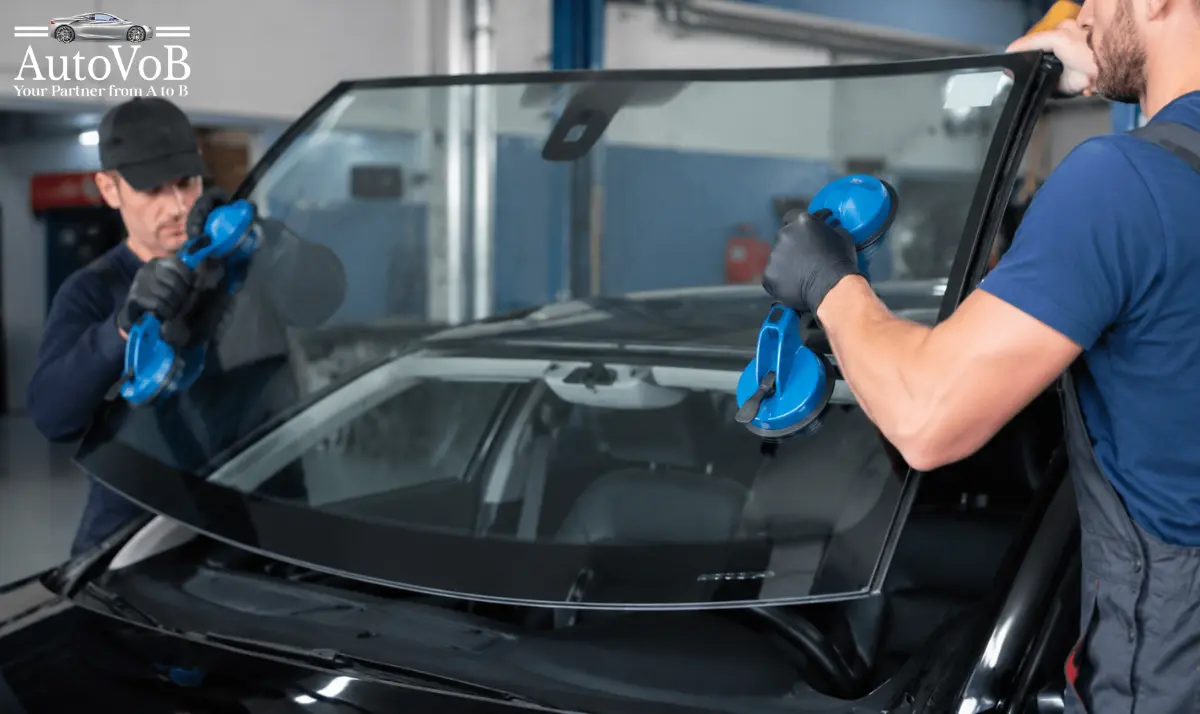
Automotive glass is one of those components most drivers rarely think about until something goes wrong. A crack across the windshield or foggy side windows quickly reminds you how important it is. But this material is far more than just transparent protection. It plays a structural, safety, and comfort role in modern vehicles.
Understanding automotive glass helps you make better decisions about maintenance, repairs, and even safety. This guide breaks it down in a way that actually makes sense.
What Is Automotive Glass?
Automotive glass refers to specially engineered glass used in vehicles. Unlike regular glass, it is designed to withstand impact, resist shattering, and protect passengers during accidents.
It is built using advanced manufacturing processes that combine strength with controlled breakage. When it fails, it does so in a way that minimizes injury. That alone makes it one of the most critical safety features in your car.
Types of Automotive Glass
Laminated Glass
Laminated glass is commonly used for windshields. It consists of two layers of glass bonded with a plastic interlayer, usually polyvinyl butyral.
When it cracks, the glass sticks to the inner layer instead of shattering. This prevents flying shards and maintains some level of visibility even after damage.
Key advantages include better safety, noise reduction, and UV protection.
Tempered Glass
Tempered glass is used in side and rear windows. It is heat-treated to increase strength. When it breaks, it shatters into small, blunt pieces rather than sharp shards.
This reduces the risk of serious injury. However, once broken, it cannot be repaired and must be replaced entirely.
Acoustic Glass
This is a variation of laminated glass designed to reduce noise inside the cabin. It is becoming more common in premium vehicles and even mid-range cars.
It improves driving comfort, especially at high speeds or in urban traffic.
Solar Control Glass
Solar control automotive glass helps reduce heat entering the cabin. It reflects or absorbs infrared radiation, keeping the interior cooler.
This reduces the load on air conditioning systems and improves fuel efficiency.
Heated Glass
Heated glass is typically used in rear windows and sometimes windshields. It has embedded heating elements that help remove fog, frost, or ice.
This feature is especially useful in cold climates and improves visibility quickly.
How Automotive Glass Supports Safety
Automotive glass does more than just block wind and debris. It plays a structural role in modern vehicles.
The windshield contributes to the strength of the roof. In case of a rollover, it helps prevent the roof from collapsing. It also supports proper airbag deployment. A poorly installed windshield can compromise airbag function.
In accidents, laminated glass holds together and prevents occupants from being ejected. This alone significantly improves survival rates.
Common Causes of Damage
Automotive glass is strong, but not invincible. Some common causes of damage include:
- Road debris such as stones or gravel
- Sudden temperature changes
- Poor installation or manufacturing defects
- Accidents or collisions
- Long-term stress from vibrations
Even a small chip can spread into a large crack if ignored. Timing matters when it comes to repairs.
Repair vs Replacement
Not every crack means a full replacement. Small chips and cracks can often be repaired if they are not in the driver’s direct line of sight.
Repairs involve injecting resin into the damaged area, restoring strength and clarity. It is quick and cost-effective.
Replacement becomes necessary when the damage is extensive, located at the edges, or compromises structural integrity.
Maintenance Tips for Automotive Glass
Clean Regularly
Dirt, dust, and grime can reduce visibility and scratch the surface over time. Use a microfiber cloth and a proper glass cleaner.
Avoid household cleaners that contain ammonia, especially on tinted glass.
Inspect for Chips and Cracks
Make it a habit to check your windshield and windows for small chips. Catching damage early can save money and prevent bigger issues.
Avoid Sudden Temperature Changes
Pouring hot water on a cold windshield or blasting cold air on a hot surface can cause stress cracks. Gradual temperature changes are safer.
Replace Worn Wipers
Old wiper blades can scratch automotive glass. Replace them regularly to keep the surface clear and damage-free.
Park Smart
Whenever possible, park in shaded or covered areas. This reduces exposure to heat, UV rays, and falling debris.
Technological Advancements in Automotive Glass
Modern automotive glass is evolving fast. Features like heads-up display compatibility, rain sensors, and embedded antennas are becoming standard.
Some vehicles now use smart glass that can adjust transparency based on light conditions. Others integrate cameras and sensors directly into the windshield for driver assistance systems.
These advancements make automotive glass not just a passive component, but an active part of the driving experience.
Choosing the Right Automotive Glass
If replacement is needed, quality matters. Always opt for glass that meets safety standards and matches your vehicle specifications.
Cheap alternatives may compromise clarity, durability, or safety. Installation quality is just as important as the glass itself.
Also Read: Car Window Tinting Laws in UAE: Legal Limits Explained
Final Thoughts
Automotive glass is one of those things you only notice when it fails, but its role is constant and critical. From safety to comfort, it affects every drive.
Taking a little time to understand it can help you avoid costly mistakes and keep your vehicle in better condition. A clean, clear, and intact windshield is not just about looks. It is about safety, performance, and peace of mind.
FAQs
1. How to remove scratches from automotive glass?
Minor scratches on automotive glass can be reduced using polishing compounds such as cerium oxide along with a soft applicator pad. Work in gentle circular motions without applying too much pressure, as excess force can worsen the damage. For deeper scratches, professional repair or replacement is usually required.
2. How to clean automotive glass?
Use a clean microfiber cloth with a dedicated automotive glass cleaner to remove dirt, dust, and smudges effectively. Wipe in both vertical and horizontal directions to avoid streaks. Avoid ammonia-based cleaners, especially on tinted surfaces, and always dry the glass completely for maximum clarity and visibility.
3. Can a cracked windshield be repaired?
Yes, small cracks and chips in a windshield can often be repaired using resin injection techniques that restore strength and improve visibility. However, if the crack is large, spreading, or located near the edges or driver’s line of sight, replacement is generally recommended for safety reasons.
4. How long does automotive glass last?
Automotive glass is designed to last the entire lifespan of a vehicle if maintained properly. Its durability depends on factors such as climate conditions, exposure to debris, and driving habits. Regular inspections and timely repairs of small chips or cracks help extend its usability and prevent costly replacements.
5. Is aftermarket automotive glass safe?
Aftermarket automotive glass can be safe when it meets industry safety standards and is installed correctly by skilled professionals. It is important to choose certified products that match your vehicle’s specifications to ensure proper fit, durability, and structural integrity for long-term safety and performance.
For more such informative blogs, keep following AutoVoB blogs.
Explore AutoVoB, your global marketplace to buy and sell vehicles worldwide.