Car Window Tinting Laws in UAE: Legal Limits Explained
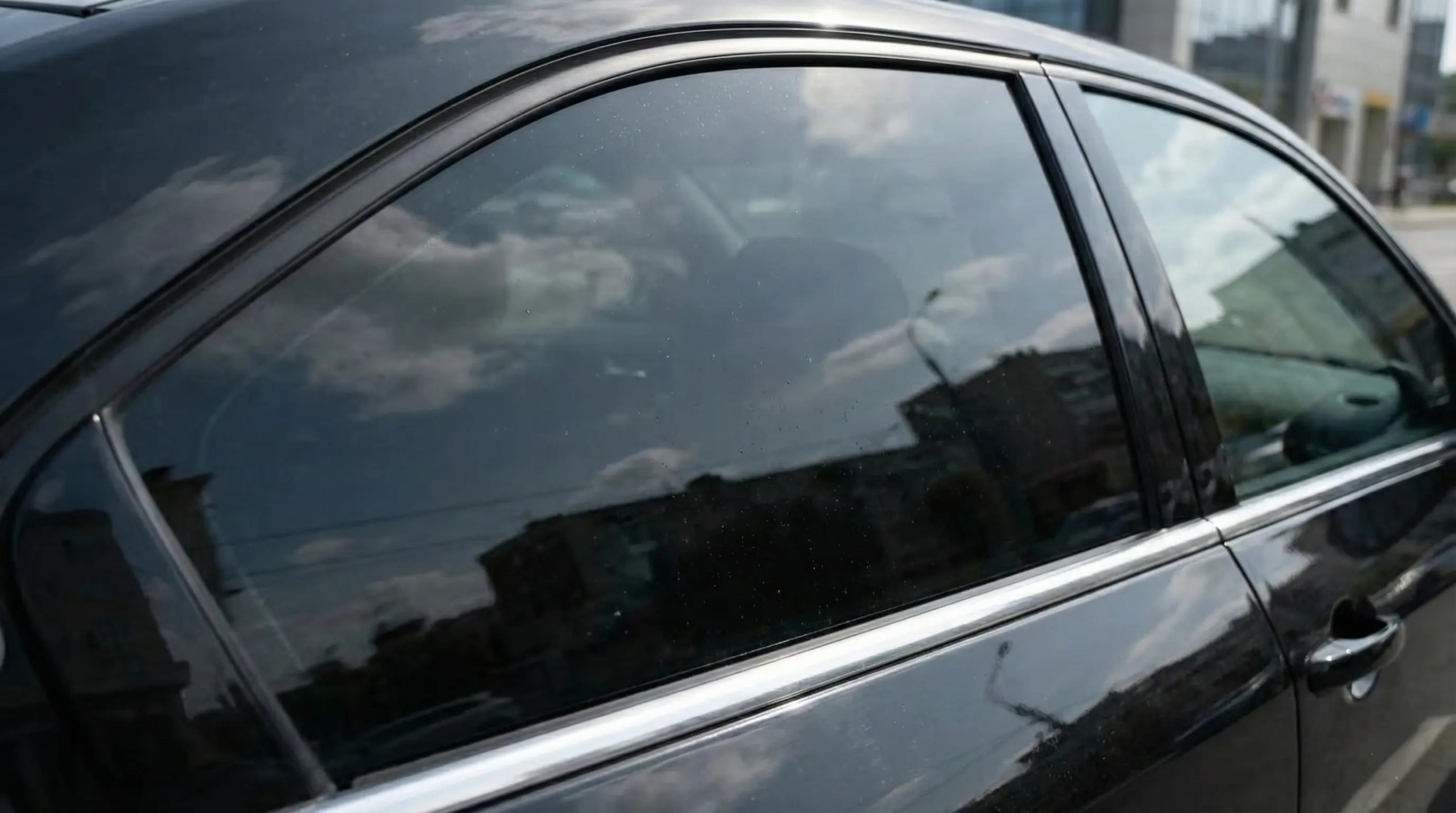
Car window tinting is almost a necessity in the UAE, but it is also one of the easiest ways to get fined if you ignore the rules. What this really means is you need to think in terms of legal limits, not just how dark the glass looks in the showroom or on Instagram.
Let’s break it down.
Legal tint limits in the UAE
UAE law focuses on how much light passes through the glass, known as Visible Light Transmission or VLT.
- Front windshield: must allow at least 70 percent of light through, so practically no car window tinting is allowed on the windshield itself.
- Driver and front passenger windows: can be tinted up to a level that still leaves at least 50 percent visibility.
- Rear side windows and rear windshield: can also be tinted as long as they keep 50 percent visibility or more on private cars in most emirates.
Here’s the thing: brands and shops often talk about 30, 50 or 70 percent “tint” in casual terms, but the law actually cares about VLT, not whatever marketing label is printed on the film.
Where the 50 percent rule applies
The simple rule many drivers follow is “up to 50 percent tint is fine on side and rear windows for private cars.” That is broadly correct, but there are some nuances worth understanding.
- Private passenger cars: allowed up to 50 percent tint on side and rear windows in most cases.
- Front windshield: still needs 70 percent VLT, so any significant car window tinting film there risks a violation.
- Commercial vehicles: taxis and many trucks are restricted more tightly and often cannot apply the same level of tint as private cars.
What this really means is you should not copy the tint setup of a taxi, company van, or government vehicle and assume you are legal in your own private car.
Fines, penalties, and how checks actually happen
Tint is one of the things officers can spot instantly, so enforcement is active, especially around inspection points, highway exits, and random checks.
- Fine amount: going beyond the legal limit can cost you around AED 1,500 per violation.
- Vehicle impound: in more serious cases, especially when tint is extremely dark or paired with other violations, the vehicle can be seized.
- Insurance issues: some insurers may question or reject claims if the vehicle is modified against traffic laws, including illegal car window tinting.
Here’s the thing: a shop telling you “everyone does this shade, it’s fine” will not help you when a radar car or officer decides your tint is too dark and issues a fine on the spot.
Medical and special exemptions
There are legitimate reasons why some people need darker car window tinting than the standard limit, especially in a climate as harsh as the UAE.
- Who can apply: people with specific skin conditions, eye problems, or medical issues aggravated by sunlight can request an exemption.
- What you need: a medical certificate or doctor’s letter explaining why darker tint is medically necessary.
- How to apply: submit your documents to the relevant authority such as the Ministry of Interior, local police, or RTA depending on the emirate.
If approval is granted, you receive official documentation that you must keep inside the vehicle to show during any traffic check. What this really means is you cannot install darker tint first and then “sort the paperwork later” – the law expects approval before the film goes on.
Choosing the right tint type and percentage
Now let’s talk about the part tint shops love: films, materials, and percentages. The goal is simple: stay legal while actually reducing heat and glare.
- Aim for legal VLT: ask the shop to show you the certified VLT rating of the film and how it will test on glass, not just the shade name. A film that delivers around 50 percent VLT on side and rear windows and keeps the windshield clear is usually the safe sweet spot.
- Skip mirror-like and ultra-dark films: reflective or limo-dark tints that block most light can attract instant attention from police and are more likely to fail inspections.
- Pick better material over more darkness: ceramic or high-quality films can cut heat and UV much better than cheap dyed films, even at legal 50 percent VLT levels.
Here’s the thing: if your aim is comfort, you are better off with quality car window tinting at legal percentages than a bargain film that is technically darker but still lets the cabin bake.
Practical tips to avoid tint trouble
If you are about to book a tint job or already have car window tinting on your vehicle, a few simple habits can keep you out of trouble and save you money.
- Use reputable installers: go to shops that know UAE tint laws, can explain VLT clearly, and give you an invoice that mentions the film specification.
- Be careful with used imports: cars brought from other countries sometimes arrive with illegal tint already installed, so get it measured and adjusted before registration or inspection.
- Check after any glass replacement: if the windshield or windows are replaced after an accident, confirm that any new film still respects the 70 percent and 50 percent rules.
What this really means is you want your tint setup to survive both daily patrols and formal inspections without drama, so treat compliance as part of the cost of ownership, not an optional extra.
Also Read: Vehicle Maintenance Laws in the UAE: What Owners Must Know
Why tint laws matter in the UAE
On the surface, car window tinting looks like a personal style and comfort choice, but there is a safety logic behind the rules.
- Driver visibility: extremely dark side glass and rear glass can make lane changes, junctions, and night driving more dangerous, especially on fast multi-lane highways.
- Enforcement and security: police need to see inside vehicles to some extent for security checks and traffic enforcement, especially in a country with strict road safety laws.
- Balanced comfort: the 50 percent rule is designed to reduce heat and glare without turning your car into an opaque box on wheels.
Here’s the thing: if you work with the law instead of against it, car window tinting in the UAE gives you the best of both worlds – cooler cabin, more privacy, and no constant fear of fines.