All About Automatic Motorcycles
Motorcycles have always been associated with manual control, clutch work, and gear shifting. That experience still defines traditional biking. But things have changed. Automatic motorcycles are now a serious segment, not just a niche experiment.
If you are wondering, are there automatic motorcycles, the answer is simple. Yes, and they are more advanced, practical, and common than ever before.
This guide breaks down what automatic motorcycles are, how they work, the types available, and whether they make sense for you.
What Is an Automatic Motorcycle?
An automatic motorcycle is a bike that does not require manual clutch operation or gear shifting by the rider. The transmission handles everything on its own.
You twist the throttle and go. No clutch lever. No gear pedal.
That simplicity is the biggest reason why automatic motorcycles are gaining attention, especially among new riders and commuters.
How Automatic Motorcycles Work
Instead of a traditional manual gearbox, automatic motorcycles use different transmission systems that adjust power delivery without rider input.
Here are the main technologies:
- Continuously Variable Transmission (CVT)
Common in scooters and some lightweight bikes. It uses a belt and pulley system to provide smooth, step-free acceleration.
- Dual Clutch Transmission (DCT)
A more advanced system found in premium motorcycles. It uses two clutches to pre-select gears, allowing extremely fast and smooth shifting without manual input.
- Automated Manual Transmission (AMT)
This is a hybrid system where the bike still has gears, but shifting is controlled electronically rather than manually.
Each system offers a different riding feel, but all eliminate the need for a clutch lever.
Types of Automatic Motorcycles
Automatic motorcycles are not limited to one category. They span across multiple segments.
Scooters
The most common form of automatic two-wheelers. Lightweight, easy to ride, and built for city commuting.
Examples include everyday urban scooters used across India and Southeast Asia.
Semi-Automatic Bikes
These bikes remove the clutch but still require gear shifting via a pedal. They are often used by beginners transitioning to manual bikes.
Fully Automatic Motorcycles
These are true motorcycles with no manual shifting at all. Many premium models fall into this category.
Electric Motorcycles
Most electric bikes are inherently automatic. They deliver power directly without a gearbox, making them one of the simplest forms of automatic riding.
Key Benefits of Automatic Motorcycles
- Easy to Ride
No clutch control means less coordination is needed. Ideal for beginners and city riders.
- Comfortable in Traffic
Stop-and-go traffic becomes less tiring. You do not need to constantly shift gears.
- Reduced Learning Curve
New riders can focus on balance, braking, and road awareness instead of gear management.
- Smooth Power Delivery
Especially in CVT and DCT systems, acceleration feels consistent and controlled.
- Less Mental Load
Riding becomes more about awareness and less about mechanics.
Downsides You Should Know
Automatic motorcycles are not perfect.
- Less Control for Enthusiasts
Manual riders often enjoy the control of gear shifting. Automatics can feel less engaging.
- Higher Cost
Advanced systems like DCT increase the price of the motorcycle.
- Maintenance Complexity
Repairs can be more expensive due to electronic components and specialized parts.
- Limited Options in Some Markets
While growing, the variety of automatic motorcycles is still smaller than manual bikes.
Popular Automatic Motorcycles in the Market
Automatic motorcycles are no longer rare. Several manufacturers now offer strong options.
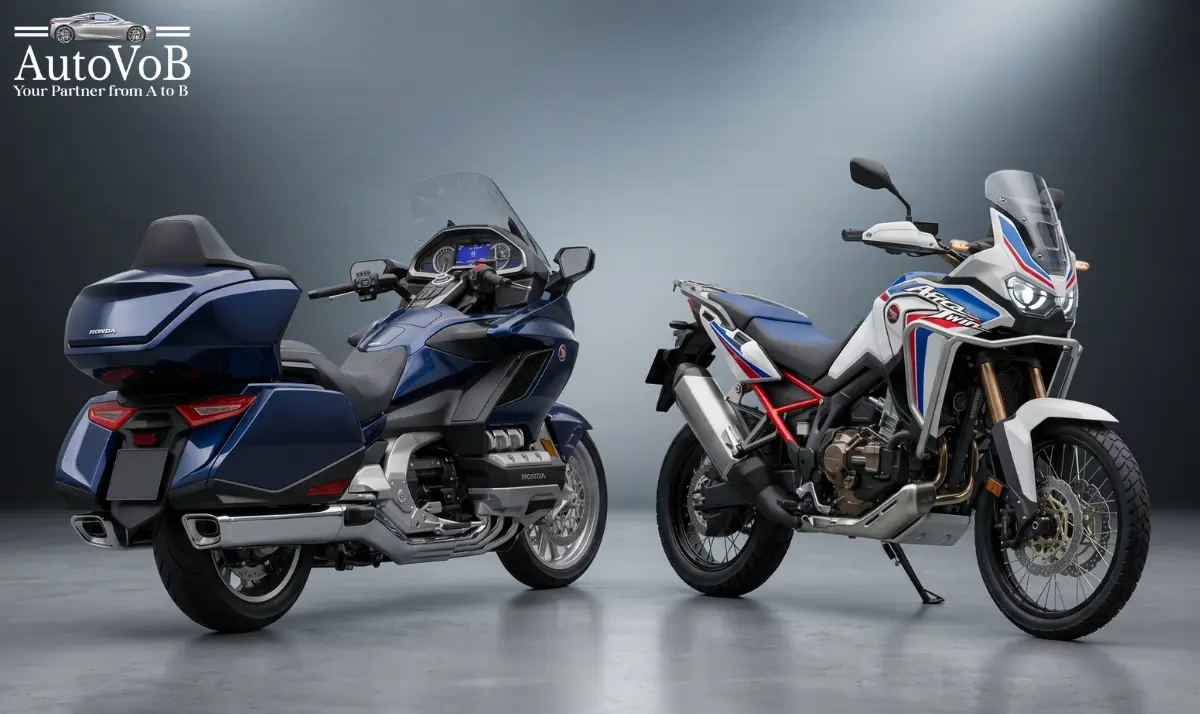
Honda Africa Twin DCT
A powerful adventure bike with dual clutch transmission. It offers both automatic and manual override modes.
Honda NC750X DCT
A practical touring motorcycle known for smooth automatic shifting and everyday usability.
Yamaha MT-09 Y-AMT (Automated Manual Variant)
A newer approach combining manual feel with automatic convenience.
Electric Options
Brands like Revolt and Ultraviolette in India, along with global players, offer electric bikes that are fully automatic by design.
Automatic vs Manual Motorcycles
Choosing between automatic and manual depends on how you ride.
Manual motorcycles offer more control, better engagement, and are often preferred by experienced riders. They are also typically cheaper.
Automatic motorcycles offer ease, convenience, and comfort. They make sense for daily commuting, beginners, and riders who want a simpler experience.
Neither is better universally. It depends on your priorities.
Are Automatic Motorcycles the Future?
There is a strong case for it.
Urban traffic is getting worse. More riders want convenience over complexity. Electric vehicles are rising, and most of them are automatic by default.
Manufacturers are investing heavily in automatic technologies, especially DCT and electric drivetrains.
At the same time, manual motorcycles are not going anywhere. Enthusiast riders still prefer the traditional feel.
The future will likely have both, but automatics will continue to grow.
Who Should Buy an Automatic Motorcycle?
Automatic motorcycles are a great fit if:
- You are a beginner learning to ride
- You commute daily in heavy traffic
- You prefer comfort over control
- You want a stress-free riding experience
- You are considering an electric motorcycle
If you enjoy shifting gears and want maximum control, a manual bike might still suit you better.
Also Read: Bike Maintenance Guide. Chains, E-Bikes, MTB, Dirt & Basics
Final Thoughts
Automatic motorcycles are no longer a compromise. They are a legitimate category with real advantages.
They simplify riding without removing the essence of being on two wheels. Whether it is a scooter for daily errands or a high-end DCT motorcycle for touring, the technology has matured.
The question is not whether automatic motorcycles exist. It is whether they fit your riding style.
FAQs
1. Are there automatic motorcycles?
Yes, automatic motorcycles exist and are widely available. They use systems like CVT, DCT, or electric drivetrains to remove manual gear shifting, making riding simpler and more accessible for beginners and daily commuters.
2. What is the difference between CVT and DCT?
CVT offers smooth, gearless acceleration using a belt system, common in scooters. DCT uses two clutches to shift gears automatically, providing better performance, faster shifts, and a more engaging riding experience.
3. Are automatic motorcycles good for beginners?
Yes, automatic motorcycles are ideal for beginners. They eliminate clutch control and gear shifting, allowing new riders to focus on balance, braking, and road awareness, making the learning process easier and less stressful.
4. Do automatic motorcycles require more maintenance?
Automatic motorcycles can have slightly higher maintenance costs due to complex transmission systems. However, routine servicing is similar to manual bikes, and reliability depends on proper care and regular maintenance.
5. Are electric motorcycles considered automatic?
Yes, electric motorcycles are automatic by design. They do not use a gearbox and deliver power directly from the motor, offering smooth acceleration and a simple riding experience without gear shifting.
For more such informative blogs, keep following AutoVoB blogs