When to Change Car Tyre, Complete Guide for Smart Drivers
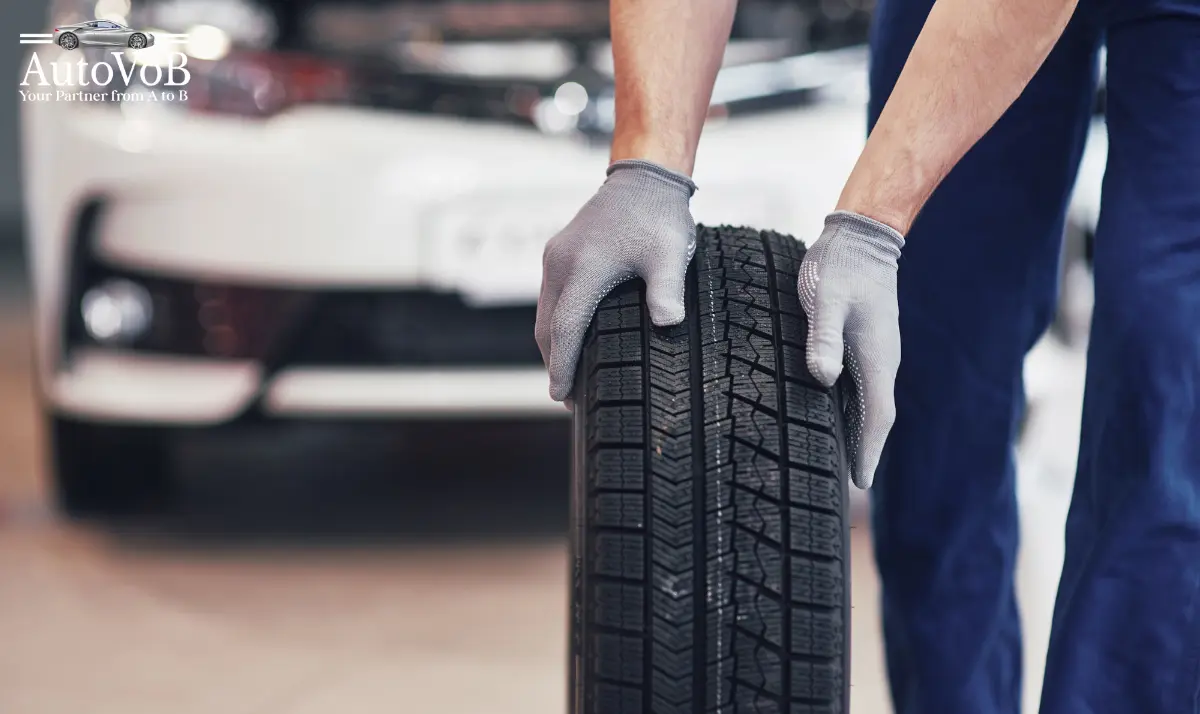
Tyres are the only part of your car that actually touches the road. Everything else, braking, steering, stability, depends on those four contact patches. Yet tyres are often ignored until something goes wrong. A blowout on a highway, uneven grip in rain, or a failed inspection suddenly forces attention.
Here’s the thing. Tyre care is not complicated, but it does require awareness. Knowing when to change car tyre, understanding how to change a car tyre, and being clear about car tyre validity in UAE can save you money, time, and serious safety risks. Let’s break it down properly.
Why tyre condition matters more than most people think
A worn or aged tyre does not just reduce comfort. It changes how your car behaves under stress. Braking distances increase. Steering response becomes vague. Heat buildup rises at highway speeds, which is a common cause of sudden tyre failure.
Modern cars hide these risks well. Traction control and ABS compensate until they can’t. By the time you feel something is wrong, the tyre is often already unsafe.
That’s why tyre replacement should be proactive, not reactive.
When to change car tyre
This is the question most drivers ask, and the answer depends on three things. Tread depth, tyre age, and visible damage. Ignore any one of these and you are gambling.
Tread depth, the grip factor
Tread depth determines how well your tyre grips the road, especially in wet conditions. Most manufacturers and safety authorities agree that tyres should be replaced when tread depth reaches around 1.6 mm. Many tyres include wear indicators built into the grooves. When the tread wears down to that level, it is time.
In real world driving, especially on highways or during rain, replacing tyres earlier at around 3 mm is a smarter call. What this really means is better braking, better control, and less stress on the car’s safety systems.
Tyre age, even if the tread looks fine
This is where many drivers get caught out. Tyres age even if you do not drive much. Rubber hardens over time due to heat, oxygen, and UV exposure. A tyre that looks new can still be unsafe if it is too old.
Most manufacturers recommend replacing tyres after five to six years from the manufacturing date, regardless of tread condition. The manufacturing date is stamped on the tyre sidewall as a four digit code. The first two digits indicate the week, the last two the year.
If your tyre was made in week 20 of 2019, it is already approaching the replacement window in 2025.
Visible damage and warning signs
Some signs mean immediate replacement, no debate.
- Sidewall cracks or bulges
- Repeated air pressure loss
- Cuts exposing internal cords
- Uneven wear caused by alignment or suspension issues
If you see any of these, the question is not when to change car tyre. It is why you have not done it yet.
Car tyre validity in UAE
Tyre rules in the UAE are stricter than in many countries, and for good reason. High temperatures, long highway drives, and sustained speeds place extreme stress on tyres.
In most Emirates, tyres older than five years from the manufacturing date are considered invalid, even if tread depth looks acceptable. During vehicle inspections for registration renewal, tyres are checked for age, condition, and damage. If they exceed the allowed age limit, your vehicle can fail inspection.
This matters even more if you drive regularly between cities or use your car for work. Heat accelerates rubber degradation. A tyre that might survive seven years in a cooler climate can become unsafe much earlier in UAE conditions.
What this really means is simple. In the UAE, tyre age matters just as much as tyre wear. Planning replacements based on age is not optional, it is part of responsible ownership.
How to change a car tyre safely
Even if you plan to replace tyres at a workshop, knowing how to change a car tyre is still essential. A flat tyre rarely waits for a convenient time.
Step one, get to a safe spot
If you have a puncture, slow down gradually. Avoid sudden braking. Pull over to a flat, stable area away from traffic. Turn on hazard lights and engage the parking brake.
Safety comes before speed. Never attempt a tyre change on a slope or near fast moving traffic if you can avoid it.
Step two, prepare the car
Before lifting the car, loosen the wheel nuts slightly. Do not remove them yet. Place wheel chocks or heavy objects behind the opposite wheels if available. This prevents rolling.
Locate the jack points specified by the manufacturer. Using the wrong spot can damage the car or make it unstable.
Step three, lift and remove the tyre
Raise the car using the jack until the tyre clears the ground. Now remove the wheel nuts fully and take off the tyre. Place it flat on the ground nearby.
Inspect the wheel hub briefly. Look for obvious damage or debris that could affect mounting.
Step four, fit the spare
Mount the spare tyre onto the hub, aligning the holes. Hand tighten the wheel nuts in a criss cross pattern. Lower the car slowly until the tyre touches the ground, then fully tighten the nuts firmly, again in a criss cross sequence.
This ensures even pressure and prevents vibration.
Step five, drive carefully
Most spare tyres are temporary. They are not designed for high speeds or long distances. Check the speed limit printed on the spare and head to a tyre shop as soon as possible.
Knowing how to change a car tyre is not about showing skill. It is about staying safe when things go wrong.
Choosing the right replacement tyre
Replacing tyres is not just about size. Load rating, speed rating, and tyre type all matter.
If you drive mostly in cities, comfort oriented tyres may suit you. If you spend time on highways, heat resistance and stability should take priority. In the UAE, tyres designed for high temperature conditions make a real difference in longevity and safety.
Always replace tyres in pairs at minimum, ideally all four. Mixing old and new tyres can cause uneven handling and unpredictable braking.
Common tyre mistakes that cost drivers money
Here’s where many people go wrong.
- Delaying replacement to save money, only to face higher costs after a blowout
- Ignoring alignment and balancing, which destroys new tyres quickly
- Mixing different tyre brands and tread patterns without understanding the impact
- Over inflating or under inflating tyres, increasing wear and heat buildup
What this really means is that tyre care is a system. Changing tyres without addressing alignment or pressure habits is wasting money.
Also Read: Benefits of Nitrogen in Tyres: What Qatar Drivers Should Know
Final thoughts, tyres are not the place to compromise
Tyres rarely fail without warning. The warnings are just easy to ignore. Knowing when to change car tyre, understanding car tyre validity in UAE, and being confident about how to change a car tyre gives you control instead of surprises.
A good tyre does not just make driving smoother. It keeps your braking predictable, your steering sharp, and your car stable when it matters most.
Treat tyres like a safety component, not a consumable afterthought. The road will always test them. Your job is to make sure they are ready.