Benefits of Nitrogen in Tyres: What Qatar Drivers Should Know
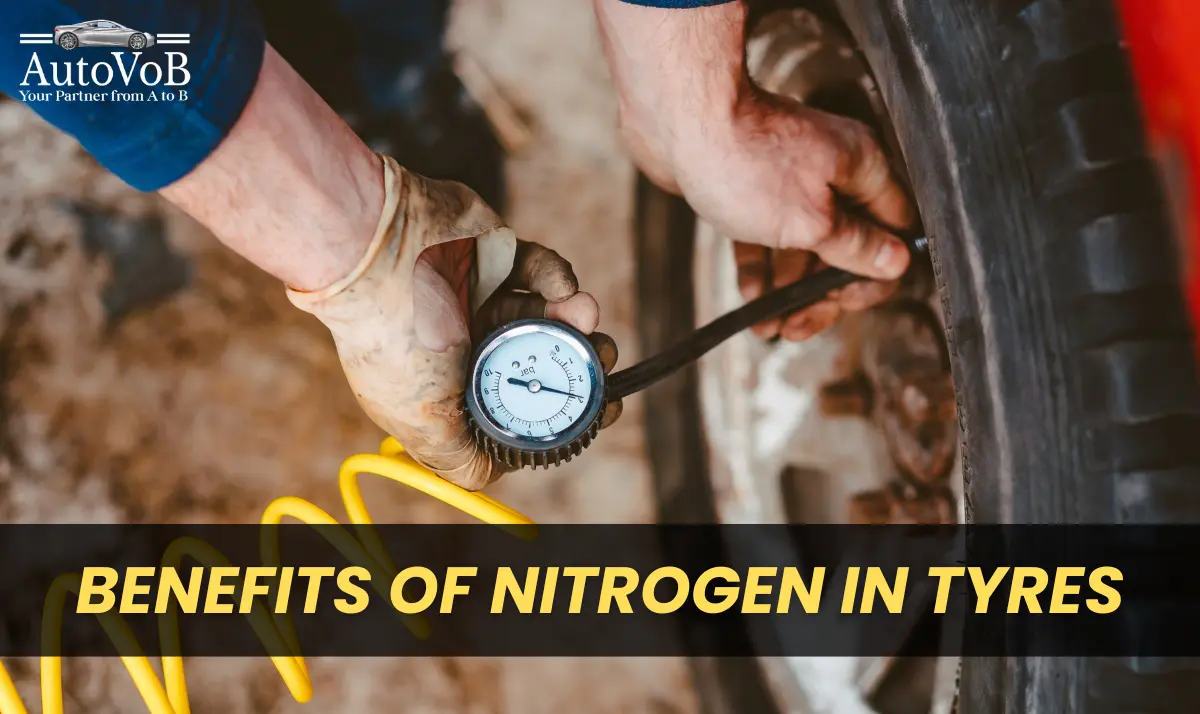
Most car owners in Qatar stick with standard compressed air for their tyres. It’s available at almost every petrol station, it’s free, and it does the job. But if you've heard people talking about switching to nitrogen and wondered if it’s just a gimmick or actually useful—you’re not alone.
Here’s the thing: nitrogen in tyres has real advantages, especially in hot climates like Qatar’s. Whether you’re driving a daily-use sedan or managing a fleet of delivery vans, the right tyre maintenance decisions can save you money, improve safety, and reduce wear over time.
Let’s get into what nitrogen actually does for your tyres, why it’s becoming more popular, and whether it’s worth it for you.
What’s the Big Deal With Nitrogen?
At first glance, nitrogen seems like just another gas. After all, regular air already contains around 78% nitrogen. So why pay to top up tyres with 100% nitrogen?
The answer lies in predictability and pressure retention.
Nitrogen molecules are larger and less reactive than oxygen. That makes them less likely to seep out through the rubber walls of your tyres. Over time, this means better pressure consistency, which leads to several benefits—especially in a region where roads bake under 45°C sun for months.
Key Benefits of Nitrogen in Tyres
- Slower Pressure Loss Over Time
One of the most practical benefits of nitrogen in tyres is that it holds pressure longer than regular air. All tyres lose pressure over time, but nitrogen leaks out more slowly. That means fewer top-ups and more consistent performance over weeks or even months.
In Qatar, where heat causes regular air to expand and contract rapidly, stable tyre pressure can make a real difference.
Example: If you inflate your tyres with regular air today and check them a month later, you might see a 3-5 PSI drop. With nitrogen, that drop could be just 1-2 PSI, depending on your driving conditions.
- Improved Fuel Efficiency
Tyre pressure affects rolling resistance. Under-inflated tyres increase resistance, which means your car works harder to move—and that burns more fuel.
Keeping your tyres properly inflated with nitrogen helps maintain optimal pressure for longer. That translates to better fuel economy over time.
For commercial fleets or long-distance drivers in Qatar, that fuel saving can add up over thousands of kilometers.
- Better Tyre Life and Tread Wear
Tyres wear unevenly when the pressure is too low or too high. The more stable your pressure, the more even the wear on your tread. Nitrogen helps maintain that balance.
Also, oxygen in regular air contributes to oxidation—which degrades the rubber from the inside over time. Nitrogen, being inert, slows that process. This could help extend the lifespan of your tyres, especially if you don’t change them often.
So if you’ve been asking how often should you change tyres, here’s part of the answer: switch to nitrogen, and you might stretch the usable life a bit further (though it’s not a substitute for regular replacement).
- Enhanced Safety in High Temperatures
Qatar’s roads are hot. Tyres get hotter. And when tyre pressure isn’t stable, it increases the risk of blowouts—especially on highways.
Nitrogen-inflated tyres are less sensitive to heat-related expansion. That helps reduce the chance of over-pressurization during long drives in summer.
For SUVs and pickup trucks that carry heavier loads, the safety advantage becomes even more relevant.
- No Moisture Inside the Tyre
Compressed air often contains moisture, especially if the compressor isn’t well-maintained. Moisture in tyres can cause internal corrosion—particularly around the rims—and affect pressure stability.
Nitrogen, when supplied from a proper system, is dry. That dry fill helps protect the inner lining of the tyre and the wheel itself.
This is especially helpful for high-end alloys or vehicles with tyre pressure monitoring systems (TPMS), where even a bit of moisture can interfere with sensors.
Are There Downsides?
Let’s be honest: nitrogen isn’t magic. It’s not going to transform a worn-out tyre or make your car drive like new.
The biggest limitation? Accessibility. Not every petrol station in Qatar offers nitrogen inflation. You’ll likely need to go to a tyre shop, and you might have to pay for it—usually between QAR 10 to QAR 30 per tyre.
Also, if you top up with regular air after filling with nitrogen, you lose some of the benefit. Mixing isn’t harmful, but it cancels out nitrogen’s pressure stability. So ideally, you’ll want to stick with nitrogen throughout.
Should You Switch to Nitrogen?
It depends on your driving habits and vehicle type. Here’s a quick breakdown.
Go for Nitrogen If:
- You drive long distances regularly
- Your car carries heavy loads (SUVs, vans, trucks)
- You want to extend tyre life and reduce maintenance
- You’re in a fleet or logistics business
- You just like having one less thing to check every month
Stick With Air If:
- You drive short distances or only on weekends
- You don’t want to pay for inflation
- You don’t have easy access to nitrogen refills
How Often Should You Change Tyres in Qatar?
Even with nitrogen, tyres don’t last forever. Here’s what most car experts in Qatar recommend.
- Every 40,000 to 60,000 km for regular passenger cars
- Every 25,000 to 40,000 km for SUVs or vehicles that see off-road use
- Every 4-5 years regardless of mileage (rubber ages)
You should also replace tyres immediately if you notice:
- Cracks in the sidewall
- Uneven tread wear
- Bulges or bubbles
- Increased road noise or vibrations
Nitrogen helps preserve tyres, but it doesn’t prevent damage caused by poor alignment, bad suspension, or driving over curbs. Regular checks still matter.
Where to Get Nitrogen Tyre Service in Qatar
Most tyre service centres in Doha, Al Wakrah, and Al Khor now offer nitrogen inflation. Look for shops with proper nitrogen generators—not just gas cylinders. That ensures you’re getting clean, dry nitrogen and not a random mix.
Many drivers also browse online classified platforms like autovob.com, not just for buying used cars or tyres, but also for finding nearby garages and tyre shops offering nitrogen services.
Also Read: Everything You Should Check Before Buying a Used Cars in Qatar
Final Word
Nitrogen in tyres isn’t hype—it’s a practical upgrade, especially for drivers in a hot, high-speed driving environment like Qatar. The benefits are real: better pressure stability, longer tyre life, safer driving, and potential fuel savings.
It’s not mandatory, and it’s not a miracle solution. But if you’re serious about maintaining your vehicle, reducing long-term costs, and improving your daily driving experience, switching to nitrogen is worth considering.