Vehicle Inspection in Qatar: FAHES Explained and How to Pass
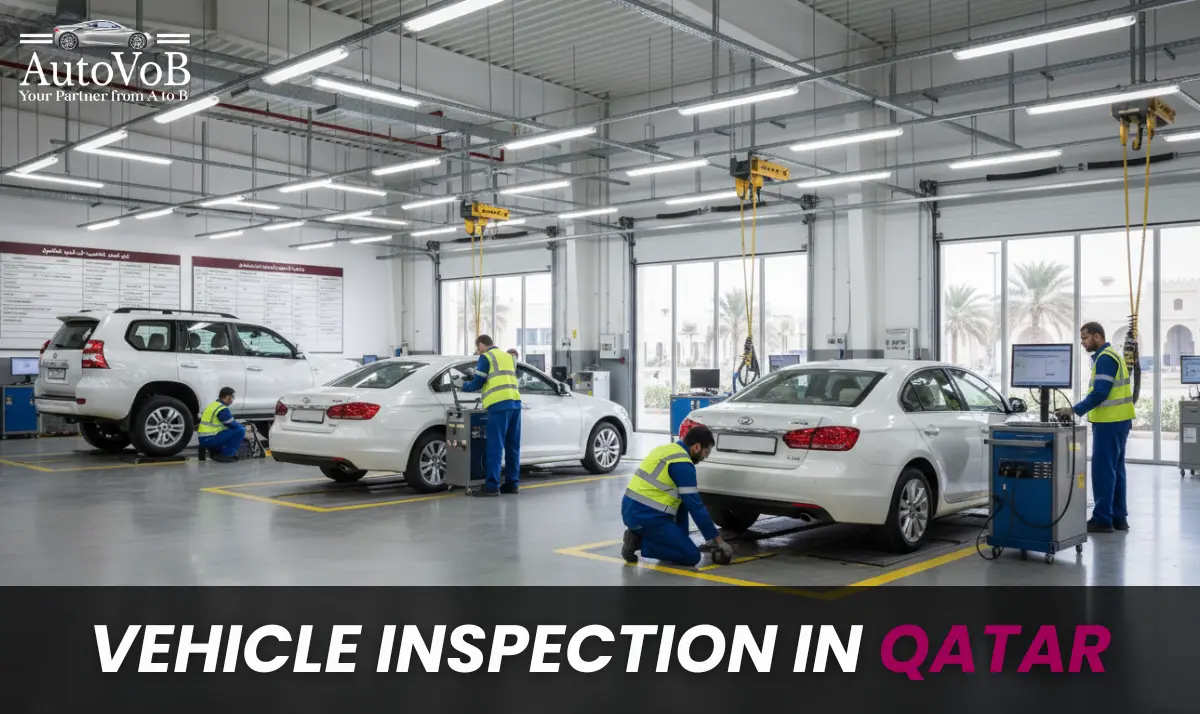
Whether you drive a family sedan, an SUV, or a light truck, the annual vehicle inspection in Qatar is your ticket to safe travel and smooth registration renewal. Here’s the thing: the Fahes vehicle inspection isn’t just bureaucratic; it genuinely keeps roads safer and catches problems before they turn serious. Let’s break down how it works, who needs it, and how to prepare so you pass on the first try.
What Is Fahes Vehicle Inspection?
Fahes is Qatar’s dedicated program for annual vehicle inspections, run by WOQOD, and it's mandatory for most vehicles after three years on the road. Its Arabic root, "فحص," means examination, and that’s exactly what you get, a thorough check by trained inspectors, looking for mechanical issues as well as safety flaws.
During your Fahes inspection, the technicians examine vital systems:
- Brakes, tires, lights, and emissions
- Steering, chassis, and structural integrity
- Modifications, repairs, and any damage after a major accident
If you drive in Qatar, you’ll encounter Fahes every year after your vehicle turns three, or from year one if you own a commercial vehicle.
When Do You Need Vehicle Inspection in Qatar?
Let’s get specific:
- Private vehicles: First inspection after three years, then every year afterward.
- Commercial vehicles, taxis, rental cars, and motorcycles: Every year, starting from year one.
- Imported vehicles: Must pass inspection unless arriving with valid GCC registration.
- After major accidents or repairs: A new inspection may be required by authorities.
What this really means is: Fahes is strict but fair, and timely inspection helps you avoid delays at renewal or, worse, legal troubles for driving an unsafe vehicle.
Types of Fahes Vehicle Inspections
The main annual Fahes vehicle inspection is for registration renewal, but there’s more:
- Registration Renewal Inspection: For annual renewal of your Istimara.
- Ownership Transfer Inspection: Required when a vehicle is sold, ensuring its condition is officially noted.
- Import/Export Inspection: For vehicles arriving from outside Qatar or leaving for another country.
- Post-Accident Inspection: Verifies repairs won’t jeopardize road safety.
- Modified/Classic Car Inspections: For cars with significant changes or historical models.
Documents to Bring
Smooth passage starts with the right paperwork. Here’s your checklist:
- Istimara (registration card)
- Qatar ID
- Proof of insurance
- Original customs documents (for imports)
- Debit or credit card for fee payment, cash isn’t accepted at most centers.
Fees for Fahes Vehicle Inspection
Fees vary by vehicle type. Here are the current rates:
- Private Passenger Car - 150 QAR
- Light Vehicle (<3000kg) - 160 QAR
- Motorcycle - 100 QAR
- Heavy Vehicle (>3000kg) - 250 QAR
- Trailer/Heavy Equipment - 300 QAR
You pay at the booth just before inspection. Your inspection report will be valid for 30 days, enough time to sort out any required repairs if you don’t pass on the first try.
Preparing for Fahes: Step-by-Step
Success comes down to advance prep. Here’s what you should do, before rolling into the center:
- Clean Your Car, Inside and Out
Inspectors need access to mechanical parts and underchassis areas, so clear out mud, dirt, and valuables. Most centers want the underside clean and free of oil or irregular spray.
- Do a Safety Check
Start with the basics:
- Lights: All headlights, taillights, indicators, brake lights, and fog lamps must be working and unbroken.
- Tires: Should not be excessively worn. Check for cracks, bulges, or mismatched sizes.
- Brakes: No abnormal squeaking, grinding, or spongy feel.
- Mirrors and windows: Ensure no cracks and that mechanisms work smoothly.
- Bodywork: No sharp dents, major rust, or compromised bumpers.
- Emissions: Avoid visible smoke from the exhaust (especially if new repairs are recent).
- Windshield wipers, horn, seat belts, and airbags: Don’t overlook small things, they matter.
Any modification, bigger tires, aftermarket bumpers, tinted windows, added electronics, check if it’s legal and up to code. Inspectors are strict about modifications that affect safety or emissions.
- Address Oil or Fluid Leaks
Qatar’s heat is tough on cars; leaks, even small, will cause failure at Fahes. Inspect for oil, coolant, brake fluid, or transmission leaks. Fix these before inspection.
- Prepare All Documents
Pack them in your glove box the night before. Forgetting paperwork is the fastest way to fail before inspection even begins.
The Fahes Inspection Process Explained
So you’re ready to go. Here’s how your day at the Fahes center looks:
- Book your slot online or show up early at the nearest WOQOD Fahes branch.
- Show your documents at registration.
- Pay the inspection fee at the booth (using debit or credit card).
- Drive into the inspection lane. Depending on the center, you may wait a few minutes in a queue, best to go mid-week and earlier in the day to avoid crowds.
- Inspectors will guide you. Sometimes you’ll be asked to step out so they can check the interior and underside. The whole process takes about 10 minutes.
- Get your inspection report. If you pass, you're cleared for registration renewal. If you fail, the report details what repairs you need. Take it to your trusted garage, and return for a free reinspection within 30 days, no extra charge for the first retest.
Common Reasons for Failing Fahes Vehicle Inspection
Nobody likes bad news. These are the top mistakes spotted in Qatar’s Fahes centers:
- Tyres below minimum tread depth or mismatched types
- Faded, broken, or malfunctioning lights
- Brake issues, worn pads, leaks, or unbalanced stopping power
- Excessive exhaust emissions
- Visible oil, coolant, or brake fluid leaks
- Non-working horn, seatbelt, or windshield wipers
- Unauthorized modifications or tinted windows
- Body damage or major rust, especially affecting structure or safety systems.
What Happens If You Fail?
Here’s what to do next:
- Check your report, inspectors will highlight all problems.
- Get repairs done at a registered workshop; save receipts for proof if asked.
- Return for a reinspection within 30 days, it's free the first time. If you need additional retests, fees apply.
- Once you pass, renew your Istimara and insurance. Some centers help you renew insurance on the spot, or you can buy coverage online for extra convenience.
Tips for Passing Every Time
What most vehicle owners get wrong is waiting until the last minute. Do your safety and maintenance checks at least two weeks before your registration runs out.
- Book your Fahes slot early, especially during renewal season
- Review your car’s manual for maintenance schedules
- Double-check all paperwork
- If in doubt about a repair or modification, ask an expert or call Fahes before showing up.
Also Read: Vehicle Inspection Kuwait: The Expert Guide
Final Thoughts
The annual vehicle inspection in Qatar is about keeping everyone safe, not just ticking a box for bureaucracy. If you know what to expect and keep your car maintained, Fahes becomes a straightforward step, not a hurdle.
Passing means you can drive with confidence for another year, and you avoid surprise costs or breakdowns in the months ahead. As an automobile expert, take it seriously, prepare in advance, and use this guide every time Fahes comes around.
For motorists who follow smart preparation and regular maintenance, passing the Fahes vehicle inspection is simply a routine checkpoint in safe, stress-free car ownership in Qatar.