Vehicle Inspection Kuwait: The Expert Guide
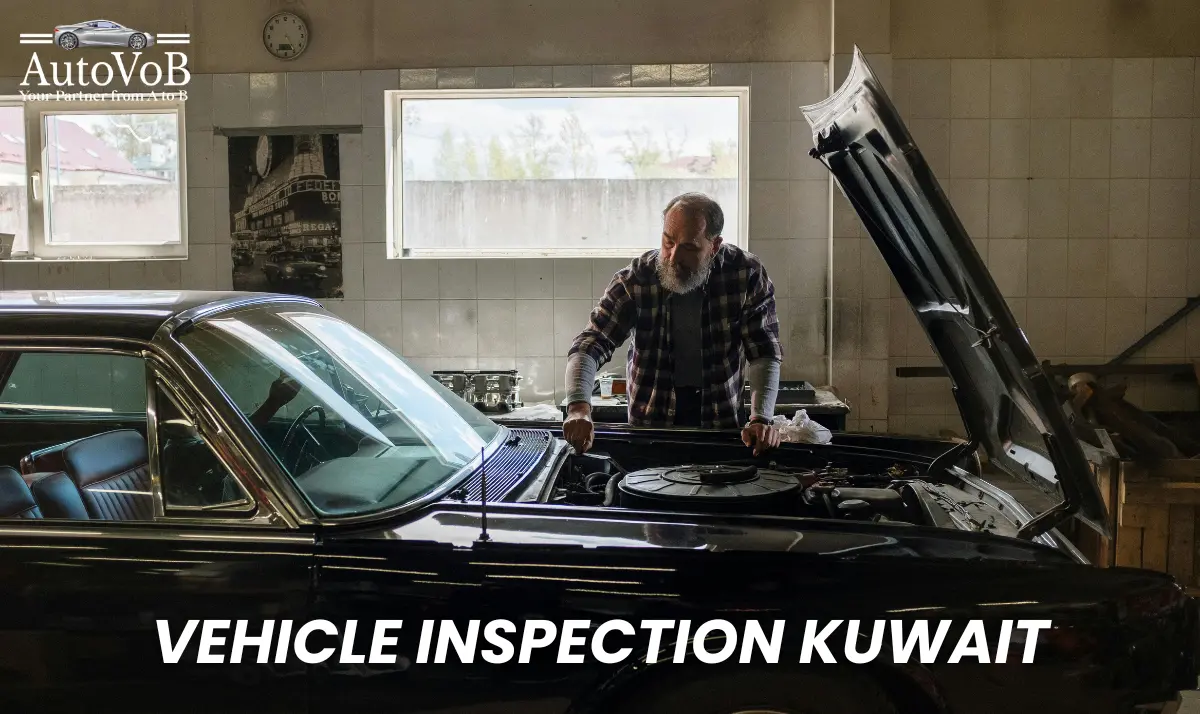
If you’re driving in Kuwait, getting your vehicle through its regular technical inspection isn’t just a routine chore, it’s the gateway to keeping your car road-legal, safe, and environment-friendly. Here’s the thing: whether you own a fresh import, a used sedan, or an ageing SUV, understanding the ins and outs of vehicle inspection Kuwait will save you time, stress, and unnecessary fees. So let’s break it down step by step, with actionable advice and recent regulatory changes front and center.
Why Regular Vehicle Inspection Matters
Kuwait’s vehicle inspection system is built around strict government regulations designed to reduce accidents, maintain roadworthiness, and minimize harmful emissions. Each car is checked for key safety features and environmental standards. What this really means is that skipping or failing the test can lead to fines, delays in registration, or even having your vehicle banned from the road until you fix the issues.
When and How Often You Need Inspection
The rules in Kuwait are clear: technical vehicle inspection is mandatory. If your vehicle is less than six years old, you’ll need to pass the test every two years; for older vehicles, it’s every year. Imported vehicles, especially those with previous damage, may be called for more frequent or custom inspections. And if you modify your vehicle, say, a paint job or accessory install, you might need to go through extra checks or approvals from the Traffic Department.
Booking Your Vehicle Inspection Appointment
Let’s talk strategy for booking. Kuwait has streamlined the booking process with authorized government inspection centers spread across all six governorates. Here’s how the appointment system works:
- You can walk in at some centers, though that means longer waits, especially early in the month or before Ramadan.
- Many inspection centers (like Daman or Jabla Cars) now let you book appointments online or via a quick phone call. Having a slot reserved cuts your wait time dramatically.
- Working hours for most inspection centers are 8:00 am to 6:30 pm, Sunday through Thursday.
Pro tip: Book your appointment at least 30 days before your registration expires to avoid the last-minute rush or missing your renewal window.
Document Checklist
Every inspection center in Kuwait wants to see a full set of documents. Arriving prepared means breezing through the admin part of inspection. Here’s what you absolutely need:
- Original vehicle registration card (“Daftar”)
- Government-issued ID (Civil ID for Kuwaitis, passport for expats)
- Current insurance certificate
- Previous inspection report (if applicable)
- Appointment confirmation (if you booked in advance)
Make sure all your papers are up to date and have electronic copies ready just in case, the process is digital in most centers now.
What Happens During the Technical Inspection
The heart of vehicle inspection Kuwait centers is the technical check. The procedure is systematic, and every car, van, or truck is run through a common set of steps:
- Emission Test: Technicians measure carbon monoxide (CO) and hydrocarbon (HC) levels from your exhaust to ensure environmental compliance. The allowable limit for CO emissions has tightened, with European standards now applied in Kuwait.
- Brake and Suspension Check: Inspectors look for worn brake pads, leaking lines, and how evenly your car’s suspension responds over bumps.
- Lights and Indicators: Non-working headlights, brake lights, and indicators are the biggest reasons vehicles fail inspection. Replace any faulty bulbs beforehand.
- Tyres and Tread: Tyre tread depth is a dealbreaker, anything below 2mm minimum means a failed inspection. Check for cracks, uneven wear, or sidewall damage.
- Structural Integrity: Inspectors make sure your chassis, picks, and bodywork aren’t damaged or rusted.
- Safety Systems: The test covers seatbelts, airbags (if installed), and even the horn.
Expect the whole inspection to take about 30 to 60 minutes, unless there are major issues. The technicians might also take photos and feed digital reports into the central database for compliance tracking.
Fees and Payments
Vehicle inspection fees in Kuwait are straightforward. You’ll pay KD2 for small vehicles; trucks and motorcycles attract fees from KD10 to KD30 depending on class and type of inspection. Some centers offer limited-time discounts if you combine technical inspection with “car book” issuance, so keep an eye out for seasonal offers. Inspections for color modification or other major changes come with their own set of higher charges and regulatory steps.
Payments are usually made by bank card or via revenue stamp machines located at the inspection centers. Plan ahead, stamp machines can run out during busy hours.
Common Mistakes to Avoid
A quick look at failed inspections in Kuwait reveals these classic slip-ups:
- Ignoring the warning lights or skipping pre-inspection vehicle checks.
- Turning up with expired insurance or incomplete documentation.
- Overlooking tyres, bald, mismatched, or noisy tyres almost always require replacing before you’re approved.
- DIY modifications or accessories not approved by the Traffic Department. Even small changes can trigger a failed inspection or hefty fines, especially with new regulations on bodywork and color.
Insider tip: Get your car checked at a trusted garage before heading for inspection. They’ll catch hidden faults and save you the hassle of retests.
What to Do If Your Vehicle Fails
So let’s say your car fails inspection. Don’t panic, most centers will give you a written report with problem areas clearly marked. Here’s what you do next:
- Fix the flagged issues at a licensed garage.
- Return for a retest, preferably within the “grace period” (usually 30 days) to avoid paying the full fee again.
- For emissions failures, pay extra attention to engine diagnostics, sometimes it’s just a tune-up; sometimes, you need parts replaced.
If the failure was for a regulatory reason (like unauthorized paint), you’ll need approval from the Ministry of Interior before re-inspection.
Post-Inspection: Renewal and Next Steps
Once you pass inspection, you’ll get an official stamped report and the go-ahead for vehicle registration renewal (“Daftar”). Some centers offer instant digital uploads, so your renewal process moves faster. Bring your inspection certificate to the Traffic Department or use online government portals for a hassle-free renewal. If you combined technical inspection with additional services (like insurance renewal or car book issuance), keep the receipts, they’ll make insurance renewals and future inspections easier.
Special Cases: Imported or Heavily Modified Vehicles
Imported vehicles, especially those bought used from abroad, may be subject to more intensive checks, focusing on accident history and conformity to local standards. If you’ve made major upgrades, say, engine swaps, bodywork, or color changes, get pre-approval from the Technical Inspection Department and Ministry of Interior. Non-compliance with Kuwait’s rules can attract fines up to KD 500 or more, including forced reversion to original specs.
Top Inspection Centers in Kuwait
Ask any car enthusiast and you’ll hear about these reputable inspection services:
- Daman Car Technical & Inspection (Shuwaikh area): Fast processing, expert technicians.
- Jabla Cars Inspections: Often runs special offers on car book plus inspection bundle deals.
- Super Service: Known for efficient service and shorter queues during peak hours.
All provide up-to-date technical inspection with compliance to the latest GCC and EU standards.
Also Read: Kuwait Vehicle Fine: Rules, Penalties, and How to Check
In Closing
Passing your vehicle inspection in Kuwait isn’t complicated if you prepare ahead and understand what the test involves. Whether you’re renewing registration or bringing in a fresh import, following these expert tips means your car stays on the road, safe, and legally compliant for the next year or two. Stay on top of scheduling, paperwork, and basic maintenance, and you’ll breeze through inspection day without the last-minute drama.