Software Defined Vehicles Explained: OTA Updates and AI in 2026
The automotive industry is going through one of its biggest transformations since the introduction of the modern internal combustion engine. Cars are no longer just machines built around mechanical components. They are becoming intelligent, connected platforms powered by software.
This shift has given rise to software defined vehicles, a concept that is reshaping how vehicles are designed, sold, maintained, and improved over time. In 2026, many new vehicles receive feature upgrades through software updates, use artificial intelligence to enhance driving experiences, and continuously evolve long after leaving the factory.
For vehicle owners, this means cars that can improve with age rather than becoming outdated. It also means new opportunities, responsibilities, and expectations. Understanding what a software defined vehicle is can help buyers make smarter decisions as the automotive market moves deeper into the digital era.
What Are Software Defined Vehicles?
A software defined vehicle is a vehicle where software controls and manages many of the car's functions, features, and performance characteristics. Instead of relying primarily on fixed hardware systems, these vehicles use centralized computing platforms that can be updated and enhanced through software.
Traditionally, a vehicle's capabilities were largely determined when it left the factory. If new features became available, owners often had to purchase a newer model. With software defined vehicles, manufacturers can introduce improvements through software updates delivered remotely.
This approach allows automakers to add features, improve efficiency, enhance safety systems, and fix software issues without requiring a dealership visit.
Modern electric vehicles have accelerated this trend, but software-defined architecture is now spreading across gasoline, hybrid, and commercial vehicles as well.
Why the Automotive Industry Is Moving Toward Software
Vehicle systems have become increasingly complex. Advanced driver assistance systems, infotainment platforms, connectivity features, battery management systems, and vehicle diagnostics all depend heavily on software.
Using a centralized software architecture provides several advantages:
- Faster feature development
- Reduced hardware complexity
- Better cybersecurity management
- Improved vehicle diagnostics
- Continuous feature enhancements
- Lower long-term maintenance costs
For manufacturers, software also creates new revenue opportunities through subscription services and feature upgrades. For owners, it creates vehicles that can continue improving throughout their lifespan.
Understanding OTA Updates
One of the most important features of software defined vehicles is Over-the-Air (OTA) updates.
OTA updates allow manufacturers to remotely install software upgrades using cellular or Wi-Fi connectivity. The process is similar to updating a smartphone or laptop.
Instead of scheduling a service appointment, owners can receive updates directly through the vehicle's operating system.
What Can OTA Updates Change?
Modern OTA updates can affect a wide range of vehicle systems, including:
- Infotainment software
- Navigation systems
- Voice assistants
- Battery management systems
- Energy efficiency settings
- Driver assistance features
- Cybersecurity protections
- Climate control functionality
Some manufacturers have even used OTA updates to increase driving range, improve charging speeds, and optimize power delivery.
For owners, this means the vehicle purchased today may offer more functionality a year later.
How AI Is Becoming Part of Everyday Driving
Artificial intelligence is rapidly becoming a core component of the software defined vehicle ecosystem.
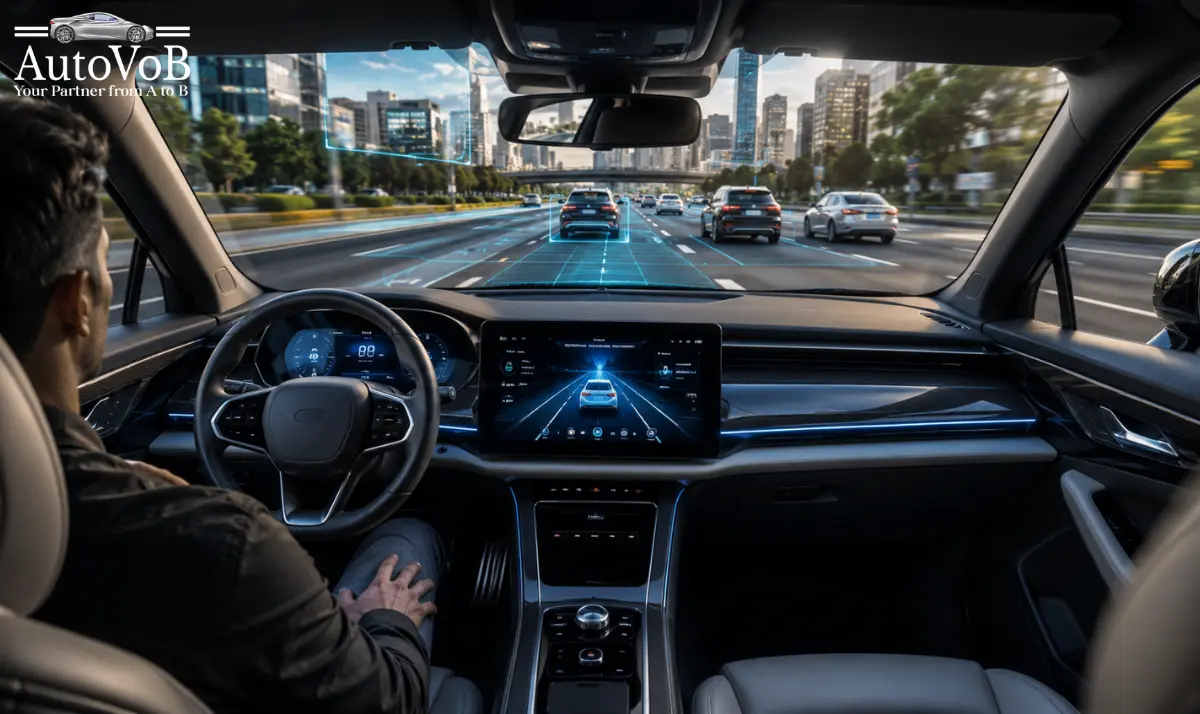
AI systems process large amounts of data generated by sensors, cameras, radar systems, and connected services. They use this information to improve vehicle performance, safety, and user experience.
Smarter Driver Assistance
AI-powered driver assistance systems can help detect hazards, monitor surrounding traffic, recognize road signs, and support safer driving decisions.
These systems continue to improve as software updates refine algorithms and processing capabilities.
Personalized Vehicle Experiences
Modern vehicles can learn driver preferences over time.
AI may automatically adjust:
- Seat positions
- Climate settings
- Navigation suggestions
- Audio preferences
- Charging schedules
The goal is to create a vehicle that adapts to its owner rather than requiring the owner to constantly adjust settings.
Predictive Maintenance
AI can analyze vehicle data to identify potential problems before they become serious failures.
Instead of waiting for a warning light to appear, the vehicle may detect unusual patterns and notify the owner about maintenance needs.
This approach can reduce repair costs and minimize unexpected breakdowns.
Centralized Computing Is Replacing Traditional Vehicle Architecture
Older vehicles often contained dozens of separate electronic control units, each responsible for a specific task.
Modern software defined vehicles increasingly use centralized computing systems that manage multiple vehicle functions from a smaller number of powerful processors.
This architecture offers several benefits:
- Faster software deployment
- Easier feature integration
- Better performance optimization
- Improved cybersecurity
- Reduced vehicle weight
A centralized approach also makes future updates easier to implement because systems can communicate more efficiently.
Digital Twins and Connected Vehicle Ecosystems
Another emerging trend in 2026 is the use of digital twins.
A digital twin is a virtual representation of a physical vehicle. It mirrors vehicle data, performance metrics, and operational status in real time.
Manufacturers use digital twins to:
- Monitor vehicle health
- Improve diagnostics
- Test software updates
- Predict maintenance needs
- Optimize fleet operations
For individual owners, digital twins can improve service accuracy and help identify issues before they impact driving performance.
Combined with cloud computing and connected infrastructure, digital twins are becoming an important part of the future automotive ecosystem.
Benefits for Vehicle Owners
The growing adoption of software defined vehicles offers several practical advantages.
Vehicles Improve Over Time
Traditional vehicles generally lose functionality relevance as technology advances. Software-based vehicles can receive regular enhancements that keep them current.
Better Safety
Manufacturers can deploy safety improvements quickly through OTA updates instead of waiting for future model years.
Convenience
Remote updates reduce the need for dealership visits and allow many issues to be addressed from anywhere.
Enhanced Resale Value
Vehicles that remain technologically current through software improvements may retain stronger appeal in the used vehicle market.
Improved Ownership Experience
Personalized AI features, better connectivity, and continuous feature enhancements create a more engaging ownership experience.
Challenges Owners Should Understand
While the benefits are significant, there are also challenges.
Cybersecurity Risks
Connected vehicles must be protected against cyber threats. Manufacturers continue investing heavily in encryption, security monitoring, and software validation processes.
Subscription-Based Features
Some automakers are introducing subscription services for premium features. Owners should understand which capabilities are included at purchase and which may require ongoing payments.
Data Privacy Concerns
Connected vehicles collect large amounts of operational data. Buyers should review privacy policies and understand how manufacturers handle vehicle information.
Software Reliability
As vehicles become more software-dependent, software bugs can affect user experience. Regular updates help address these issues, but software quality remains an important factor when evaluating a vehicle.
What Buyers Should Look for in 2026
If you're considering a new vehicle, software capabilities deserve as much attention as horsepower, fuel economy, or cargo space.
Key questions to ask include:
- How frequently does the manufacturer release OTA updates?
- What features can be upgraded remotely?
- How long is software support provided?
- What cybersecurity measures are implemented?
- Are AI features included or subscription-based?
- Does the vehicle support future feature expansion?
The answers can significantly influence long-term ownership satisfaction.
Also Read: All About Autonomous Cars And Self Driving Car Tech
The Future of Software Defined Vehicles
The next few years will likely bring even deeper integration between software, artificial intelligence, cloud computing, and connected transportation systems.
Vehicles will become more adaptive, predictive, and personalized. Software updates will continue introducing new capabilities long after purchase. AI systems will become better at understanding driver behavior and improving vehicle performance.
As this transition continues, software defined vehicles will increasingly be viewed not just as transportation tools but as evolving digital platforms on wheels.
For consumers, understanding this shift is essential. The vehicle you buy in 2026 is no longer defined solely by its hardware. Its future capabilities may depend just as much on the software running beneath the surface.
FAQs
1. What is a software defined vehicle?
A software defined vehicle is a vehicle where software controls many core functions, features, and updates. It uses centralized computing systems and can receive remote improvements, security patches, and new capabilities through over-the-air software updates.
2. How do OTA updates benefit vehicle owners?
OTA updates allow manufacturers to remotely improve vehicle software without requiring a dealership visit. They can add features, fix bugs, strengthen cybersecurity, improve performance, and enhance user experience throughout the vehicle's life.
3. What location platforms support software-defined vehicles and digital twins?
Software-defined vehicles and digital twins commonly use cloud and location platforms such as mapping services, geospatial data systems, GPS networks, fleet management platforms, and connected mobility ecosystems that provide real-time vehicle positioning and analytics.
4. Are software defined vehicles more secure than traditional vehicles?
Software defined vehicles can be more secure because manufacturers can quickly deploy cybersecurity patches through OTA updates. However, their connected nature also requires strong encryption, monitoring, and regular software maintenance.
5. Can AI improve vehicle maintenance and reliability?
Yes. AI analyzes vehicle data from sensors and onboard systems to detect unusual patterns and predict maintenance needs. This helps owners address potential issues earlier, reducing breakdown risks and repair costs.
Follow AutoVoB blogs for more useful and informative updates.
Buy or sell any vehicle globally with AutoVoB.