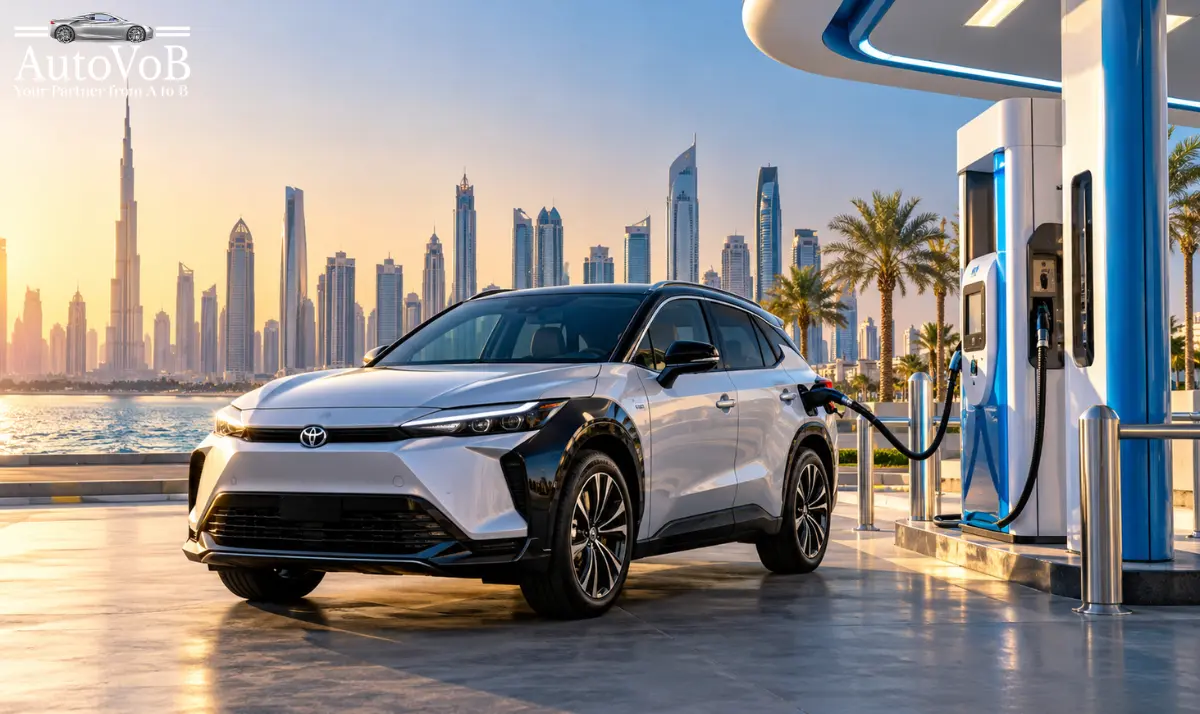
Smart Car Features That Actually Support Driver Wellbeing
Modern cars are not just about power, range, or screens. The best ones quietly take care of you. They reduce stress, keep you alert, and help you arrive less drained, not more. That is where smart car features focused on wellbeing come in.
Here is the thing. Most people think of tech in cars as distractions. Too many menus, beeps, and settings. But used well, the right features support your body and brain while you drive, instead of constantly demanding attention.
Let us break it down into five smart car features that genuinely support driver wellbeing and how to use them wisely.
- Driver monitoring systems that fight fatigue, not just accidents
Many cars now come with driver monitoring systems. At first glance, they look like one more way for the car to nag you. In reality, when done right, they are one of the most important smart car features for your safety and wellbeing.
These systems typically use cameras and sensors to track things like:
- Eye movement
- Blink rate
- Head position
- Steering input patterns
What this really means is that the car can spot when your attention is slipping before you fully realise it. Are you blinking slower, drifting within the lane, or looking away too long? The system picks it up and nudges you with alerts, messages, or vibration in the steering wheel.
Why this helps your wellbeing:
- It reduces the risk of micro sleep on long highway drives.
- It reminds you to take breaks instead of pushing through fatigue.
- It gently trains you to be more self aware behind the wheel.
To get real value from this feature, do not ignore it. If you find yourself getting frequent alerts, treat them as data, not irritation. Ask yourself what is happening. Are you tired, stressed, distracted by your phone, or trying to multitask mentally?
Use the system like a mirror for your driving state. Over time, it can help you build safer habits and feel calmer on the road because you know there is backup watching your concentration.
- Adaptive cruise control and lane keeping as stress reducers
Adaptive cruise control and lane keeping assistance are often marketed as convenience tools. Set your speed, and the car automatically adjusts to the vehicle ahead. Turn on lane keeping, and it gently helps you stay centred in your lane.
Here is the thing. Used wisely, these smart car features are powerful tools for reducing mental load.
On long or traffic heavy routes, your brain spends a lot of energy on tiny corrections, distance judgment, and speed management. These systems do not replace you, but they smooth out that constant micro work.
Benefits for your wellbeing include
- Less physical and mental fatigue on long drives
- Smoother traffic flow, which reduces frustration
- Extra bandwidth to scan your surroundings instead of obsessing over bumper distance
The key is not to over trust them. Do not treat them like autopilot. Keep your hands on the wheel and your eyes on the road, and think of these tools as assistants, not drivers.
A good rule of thumb. If you feel tempted to disengage mentally because the car is handling things, dial the assistance down. The point is to reduce stress, not turn you into a passenger in the driver seat.
- Climate, air quality, and lighting that help your body stay fresh
Most people underestimate how much the cabin environment affects their mood and energy. This is where some of the quieter smart car features shine.
Modern cars offer features like
- Automatic climate control with multi zone settings
- Air filtration and ionisers to reduce dust and pollutants
- Sensors that detect high pollution and switch to recirculation
- Ambient lighting that you can adjust by colour and intensity
What this really means is that the car can create a small, controlled environment that helps your body stay comfortable and your mind stay sharp.
A few simple, practical ways to use these features for wellbeing
- Keep cabin temperature in a comfortable range, usually around 21 to 23 degrees Celsius. Too hot or too cold makes you tired and irritated.
- Use air recirculation wisely. On busy roads or in tunnels, it can reduce exposure to exhaust. On open roads, allow fresh air in from time to time so the air does not feel stale.
- If your car has ambient lighting, choose warmer and softer tones at night. Harsh blue light can feel fatiguing over long periods.
The goal is not to obsess over settings. Set up a few presets that work for you, for example solo commute, family drive, long highway trip, and let the car handle the details.
- Seats that support posture instead of punishing your back
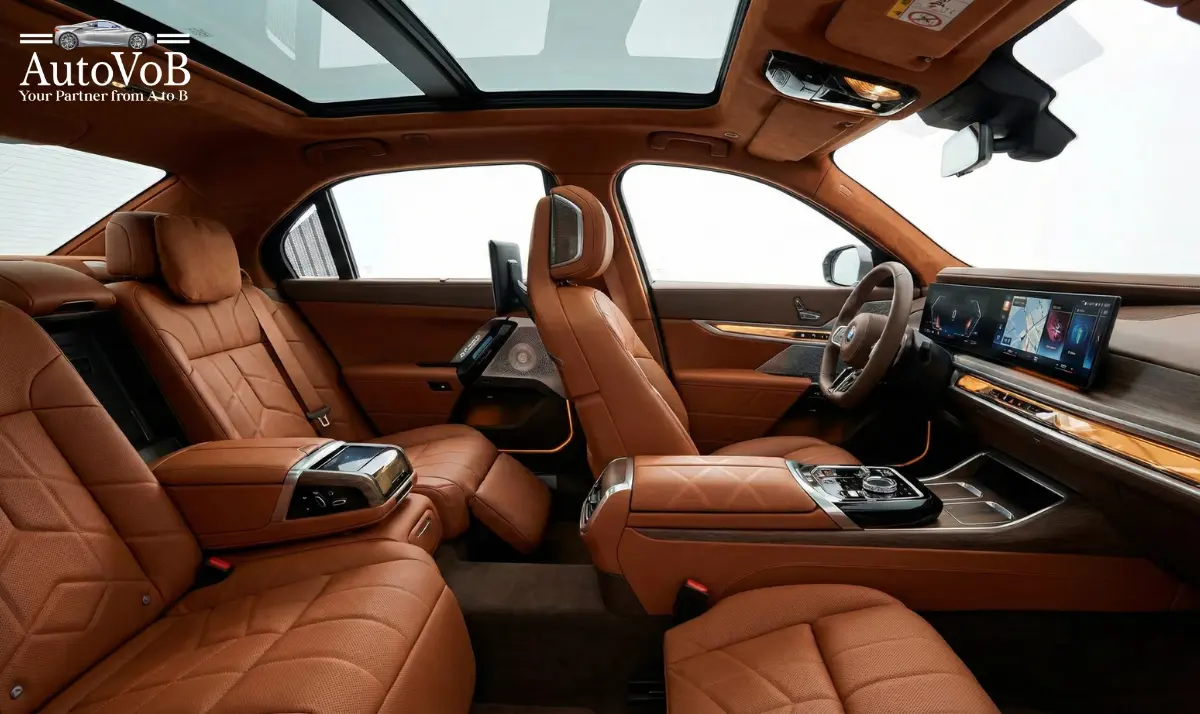
You spend hours in your driver seat every month. If the seat is wrong for your body, you pay for it in neck pain, back ache, and long term discomfort. Smart car features in seats are not just fancy options. They can directly influence how your body feels at the end of the day.
Common wellbeing focused seat features include
- Multi way electric adjustment with memory profiles
- Lumbar support that you can fine tune
- Heating and ventilation to manage temperature and sweat
- Massage functions that keep blood circulation going on long drives
Here is the thing. Most people adjust their seats once at delivery and never touch them again. Yet tiny improvements in posture can make a huge difference over a 2 hour drive.
Some simple habits
- Adjust the seat so your knees are slightly bent, not stretched straight out.
- Keep your back fully supported, with the lumbar function filling the natural curve of your lower spine.
- Bring the steering wheel towards you rather than reaching too far forward.
- On long trips, use seat heating or ventilation to keep your muscles relaxed and body temperature stable.
If you have massage seats, do not treat them as a luxury gimmick. Use them strategically. Short sessions every hour on long journeys can help keep you comfortable and alert.
- In car digital wellbeing: smarter notifications, not more noise
The digital side of modern cars can easily go wrong. Too many alerts, constant phone mirroring, and endless app notifications can turn your cabin into just another screen filled environment.
But when designed and used wisely, in car connectivity can actually support your wellbeing instead of attacking it.
Many cars and smartphone integrations now offer features like
- Do not disturb modes during driving
- Auto replies when you miss calls or messages
- Voice assistants for calls, navigation, and media control
- Focused instrument cluster layouts that reduce clutter
What this really means is that you can tune how much digital noise is allowed inside your car.
A few useful practices
- Turn on driving focus or do not disturb while driving on your phone so only priority contacts can break through.
- Use voice commands for navigation changes, calls, or music instead of fiddling with screens.
- Limit app notifications that appear on your infotainment screen. You do not need social media or shopping alerts while driving.
- Choose simple display themes that show speed, navigation, and key alerts, not everything at once.
Your car should support your attention, not compete for it. The more intentional you are with your digital settings, the calmer your drive feels.
Also Read: How the Automotive Industry Is Transforming in 2026
So, how do you actually get value from these smart car features
Owning a car full of technology does not automatically improve your wellbeing. The benefit comes from how you use it.
Here are a few practical steps to make it work for you
- Spend an hour genuinely learning your car. Go through the driver assist, seat, climate, and display settings, not just the media options.
- Set up user profiles. Most modern cars let you save seat position, mirror angles, ambient lighting, and assistance levels. Use them for different drivers or types of trips.
- Start with fewer features, not all of them at once. For example, get comfortable with adaptive cruise control and lane keeping first. Then explore driver monitoring, then fine tune cabin settings.
- Regularly review alerts or messages from the car. If something keeps popping up, it is feedback about your driving patterns or environment.
Smart car features should feel like a quiet, reliable support system in the background. They are at their best when they reduce friction on the road, lower your stress, and help you arrive more present and less tired.
In the end, wellbeing behind the wheel is not only about what the car can do. It is about the partnership between you and the technology. Use it intentionally, adjust it to your life, and your car becomes more than a machine. It becomes a space that actively supports how you feel, think, and travel every single day.