How the Automotive Industry Is Transforming in 2026
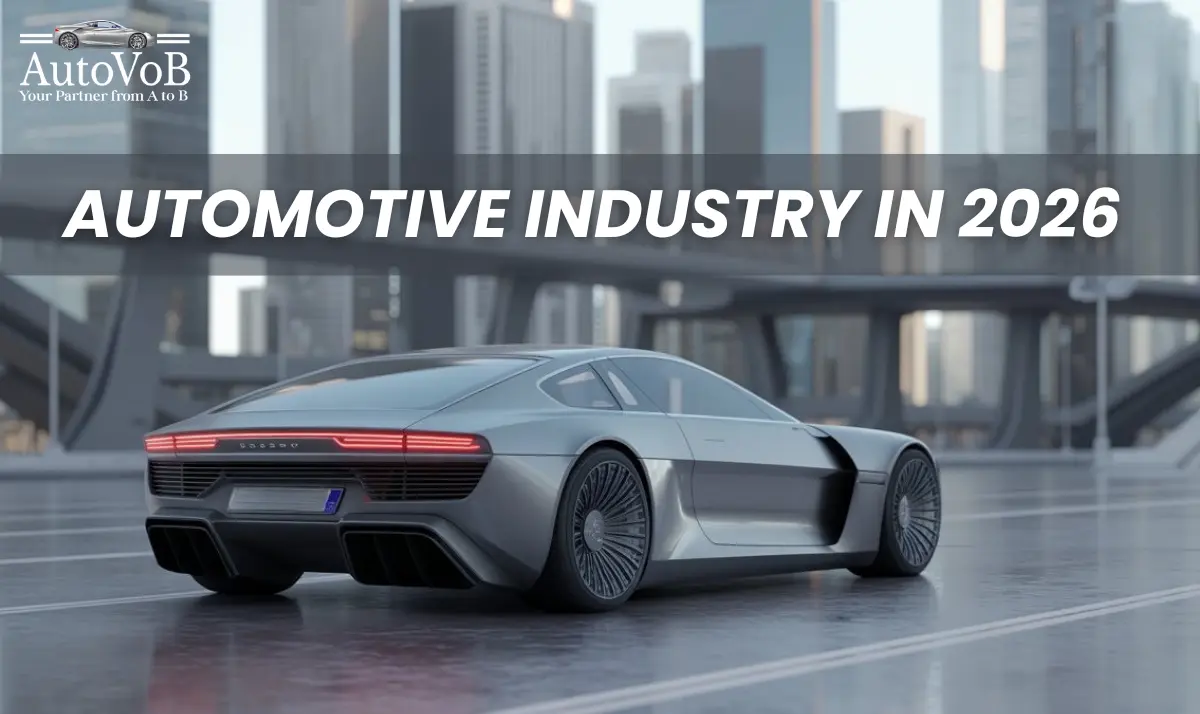
The automotive industry in 2026 is a story of change, not just in technology, but in mindset, ambition, and the everyday experience of owning and using vehicles. Let’s break down what’s actually new, and why it matters.
EVs Become Mainstream
The big story is that electric vehicles are no longer for the few. They’re no longer just about Tesla or quirky early adopters. This is the year when EVs feel normal. Why now? For one, battery prices have finally dropped to a point where an electric car can compete with a gasoline vehicle on price, no government handouts needed. Lithium-ion battery packs are falling below the critical $100 per kilowatt-hour threshold. What that really means is millions more people will see an electric car in their price range, not just in Europe or China, but in places where gasoline used to rule. Models span everything from affordable hatchbacks to luxury SUVs and even supercars, choice has never been broader.
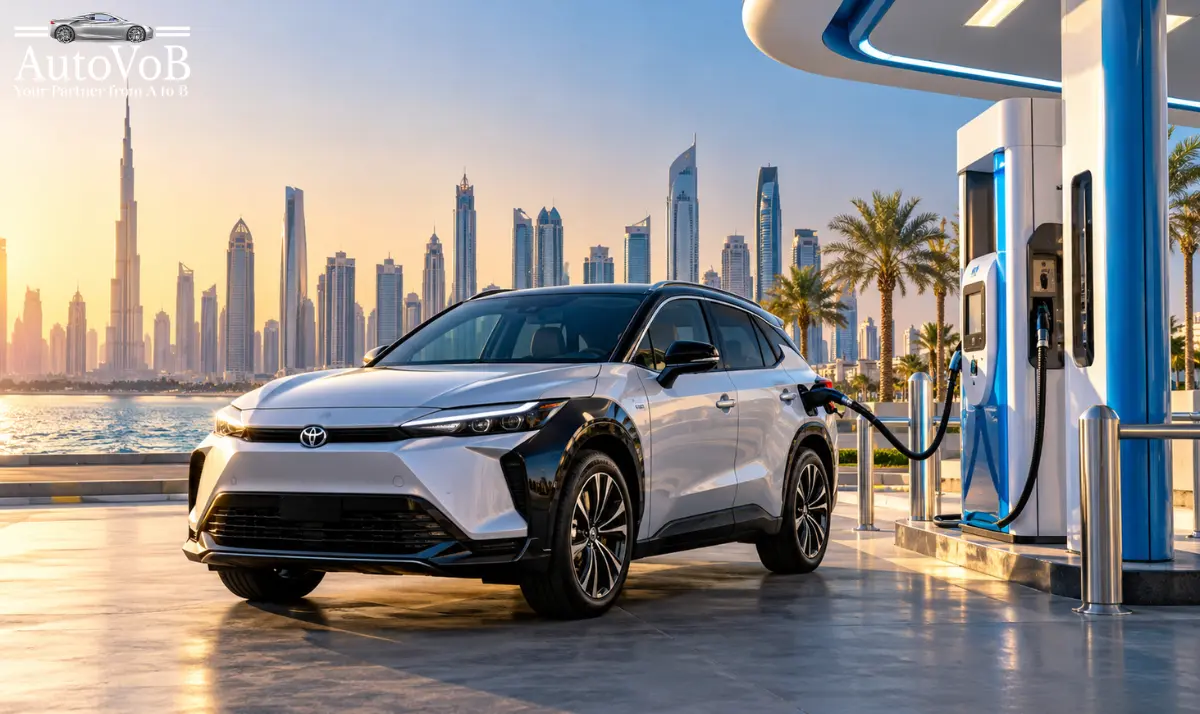
It’s not just the price, though. Fast charging networks have mushroomed. Range anxiety is fading because roads are lined with reliable, high-speed chargers. Governments in Asia, Europe, and North America are pushing stricter emissions rules, nudging automakers and consumers toward electric options. And suddenly, cities that felt behind are catching up fast. By the numbers, nearly 25 percent of all new cars sold globally are plug-in electrics, well up from a decade ago when it was barely a blip. With these shifts, EVs stop being a futuristic badge of virtue and just become part of the automotive landscape. The automotive industry 2026 is defined by this democratization of electric mobility.
Diversified Powertrains
Here’s the thing: while EVs get the headlines, the story isn’t just about one winner. The powertrain landscape in 2026 is all about options. Carmakers are rolling out not just battery electrics, but plug-in hybrids, hydrogen fuel cell vehicles, advanced hybrids, and even some highly efficient gasoline engines for markets where infrastructure lags behind.
Solid-state batteries are making a real entrance, getting more energy and safety into smaller, lighter packs. This lets EVs go further, last longer, and charge a whole lot faster, while new chemistries like sodium-ion are being tested too. Hydrogen is also seeing renewed investment, think heavy trucks, buses, and certain commercial fleets where quick refuelling beats waiting at a charging station. For rural customers, biofuels and hybrid options provide a smoother, less disruptive transition.
What this means is flexibility. There isn’t one “best” option for all geographies or lifestyles, there’s a mix. The winners in the automotive industry 2026 are the companies and countries that see this diversity as strength, not confusion.
Smarter, Connected Cars
Now, let’s talk brains, not just brawn. Software is eating the car industry, and 2026 is the proof. Most new vehicles are “software-defined,” meaning new features and security updates can be added without a trip to the dealer, think smartphone updates, but for your car. Over-the-air updates allow your vehicle to get smarter over time, not obsolete.
Connectivity isn’t just about streaming music. Cars are now deeply networked, talking to traffic systems, home devices, and even other vehicles. Safety systems use these networks to anticipate hazards, suggest alternate routes, or contact emergency services autonomously in a crash. Personalization takes centre stage; cars recognize their driver, adjust every setting automatically, and even suggest a podcast for your morning routine.
AI copilots go beyond “voice assistants.” They predict your driving habits, optimize routes for energy or time, and actively prevent fatigue with wellness monitoring. Cars in 2026 are not just more connected, they’re companions that adapt, learn, and, sometimes, challenge drivers to be safer and more efficient. And yes, cybersecurity is a huge focus, as more vehicle systems move online. The automotive industry 2026 makes cars less like machines and more like intelligent partners.
Revolution in Manufacturing
Manufacturing is having its own disruption. Factories aren’t just cleaner and greener, they’re vastly smarter. AI-powered production lines and collaborative robots (cobots) work side by side with humans, optimizing workflows and reducing injuries. Imagine a plant where assembly lines pivot overnight to new models or tech, because modular platforms and 3D-printed parts make vehicle construction more like building with Lego than casting in concrete.
A circular economy mindset takes hold. Everything from aluminium shavings to EV batteries is tracked, recycled, and reused. New carbon-neutral facilities run on solar or wind, tying automakers’ green promises to real operational changes. The upshot? Cars are lighter, more efficient, and built with less waste. Supply chains become more resilient because companies value adaptability as much as scale.
And here’s another shift: data from smart factories feeds directly into product design. When a defect pops up, the fix is tested, updated in real time and sent back into the line, no more years of waiting for the next model cycle. Manufacturing isn’t just about output, but learning and improvement, every single day.
Infrastructure & Policy Support
None of this happens in a vacuum. Governments and industry leaders are taking infrastructure and policy seriously, and it’s making a difference. Charging networks are expanding fast, not just in major cities but across highways, rural routes, and developing regions. Tax incentives and green energy targets haven’t disappeared, but they are smarter, targeted at jumpstarting demand and helping lower-income buyers make the switch. Regulations are pushing for cleaner fleets, especially for public transport, ride-hailing, and logistics.
Cities are redesigning streets for shared mobility, micro-mobility, and cleaner air. Data-sharing laws balance the need for innovation with privacy. Policy initiatives across continents, especially in Europe and Asia, are phasing out fossil-fuel cars on aggressive timelines, which is now a realistic goal, not an empty promise. Most importantly, strategic partnerships between public and private sectors mean new infrastructure doesn’t just get built; it gets maintained and improved as technology evolves.
For buyers, this support means more choices and confidence. For automakers, it’s a green light to invest in the big transitions, because they know the charging stations, road upgrades, and grid improvements are coming online too. This infrastructure is the backbone of the automotive industry 2026, enabling innovation to actually work in practice.
Also Read: Introduction to Electric Vehicles: A Global View
Why 2026 is Different
So, is this just hype? Actually, no. Change has been coming for years, but 2026 stands out because so many pieces are coming together at once: affordable EVs, genuine powertrain diversity, smarter connected vehicles, manufacturing revolutions, and real muscle behind infrastructure rollouts. The conversation among both automakers and buyers has shifted, from “when will this future arrive?” to “how do we decide what works best for us, right now?”
The answer is that the automotive industry isn’t just moving forward, it’s expanding out, in many directions at once. Driving in 2026 isn’t about a new kind of vehicle; it’s about a new kind of mobility ecosystem. One where what’s under the hood is as interesting as what’s in the software, who built it, and how the world around it supports every trip.
The industry is not finished. There are headwinds: price pressures, supply chain disruptions, and the ongoing challenge of building trust and reliability in newer technologies. Yet for anyone watching the automotive world, the things happening in 2026 aren’t just upgrades, they’re reinventions on almost every front. This is the year the car, as we’ve known it, doesn’t disappear, but becomes something more adaptable, efficient, and surprisingly human.