Problems With Electric Cars: What Owners Don’t Always Hear
Electric vehicles promise a cleaner future and quieter roads. That part is real. But here’s the thing, owning an electric car is not just about plugging in and driving away from petrol forever. There are real tradeoffs, real limitations, and real frustrations that buyers often discover only after living with one.
This is not an anti electric vehicle rant. It is a clear look at the problems with electric cars, explained without hype or fearmongering. If you are considering one, this will help you decide with open eyes.
Limited driving range still shapes daily decisions
Range anxiety is talked about a lot, and for good reason. While modern electric cars have improved dramatically, the usable range in real life often falls short of brochure numbers.
Cold weather reduces battery efficiency. High speeds drain power faster. Running air conditioning or heating eats into range. Over time, battery capacity slowly degrades. What this really means is that a car advertised at 400 km may reliably deliver 300 to 320 km in everyday conditions.
For city commuting, this is usually fine. For long highway trips, it changes how you plan your day. You think about charging stops, buffer distance, and backup options. That mental load is one of the quieter electric car problems that rarely shows up in advertisements.
Charging infrastructure is uneven and unreliable
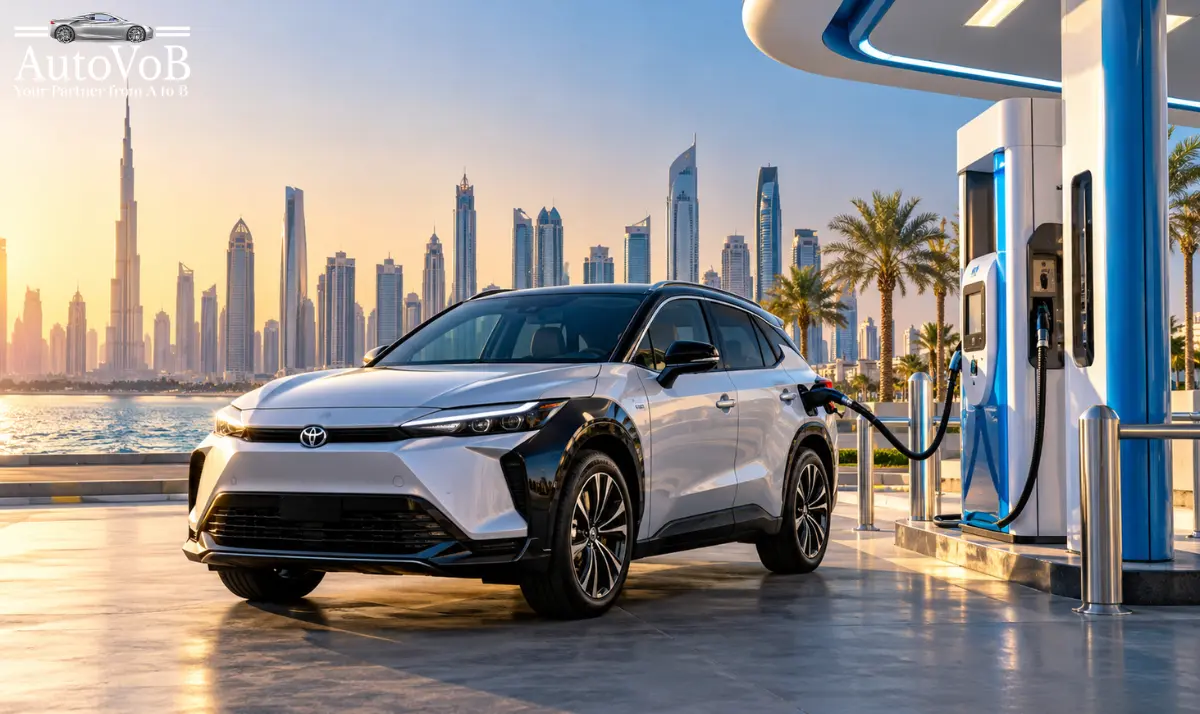
Charging access is improving, but it is not uniform. Urban centers do better. Highways are improving. Smaller towns and rural areas still lag behind.
Public chargers can be occupied, offline, or incompatible with your vehicle. Fast chargers are not always fast, especially if multiple cars are connected. Some locations throttle power after a certain battery percentage.
Home charging sounds simple, but it depends on parking access, electrical capacity, and local regulations. Apartment dwellers often face resistance from housing societies or landlords. Installing a dedicated charger can be expensive and slow.
This is one of the most practical problems with electric cars. The car itself may be solid, but the ecosystem around it is still catching up.
Charging time changes how you travel
Refueling a petrol car takes minutes. Charging an electric car takes planning.
Fast charging helps, but even the best setups usually mean 30 to 45 minutes for a meaningful top up. Slower chargers can take several hours. Overnight charging works well at home, but only if you have reliable access.
On long trips, charging breaks can feel less like rest stops and more like obligations. You stop because you must, not because you want to. Over time, some drivers adapt. Others find it tiring.
This difference in rhythm is a core part of electric car problems that no spec sheet can explain.
Battery degradation is real, even if it is slow
Lithium ion batteries age. There is no way around that.
Most electric car batteries retain 70 to 80 percent capacity after many years, depending on usage, climate, and charging habits. That is acceptable, but it still means reduced range over time.
Fast charging frequently, letting the battery sit at very high or very low charge, and extreme heat all accelerate degradation. Software tries to protect the battery, but physics always wins eventually.
Replacing a battery is expensive. Even with falling costs, it remains one of the largest potential ownership risks. Warranties help, but they are time limited.
Among all electric car problems, this one matters most for long term ownership.
High upfront cost limits accessibility
Electric cars are still expensive to buy. Prices are coming down, but upfront costs remain higher than equivalent petrol or diesel models.
Government incentives help in some regions, but they change frequently and often favor certain buyers or locations. Without subsidies, many electric cars remain out of reach for average households.
Lower running costs do offset this over time, but only if you drive enough and keep the car long enough. For buyers who change cars every few years, the math is not always favorable.
This cost barrier slows adoption and remains a major problem with electric cars in price sensitive markets.
Repair and service networks are thinner
Electric cars have fewer moving parts, which is a real advantage. However, when something does go wrong, repair options can be limited.
Not every mechanic is trained to work on high voltage systems. Specialized parts may take time to arrive. Authorized service centers can be overloaded, especially in markets where electric adoption has grown faster than service infrastructure.
Software issues add another layer. Some problems require updates or diagnostics that only the manufacturer can perform. That reduces owner control and increases dependence on official channels.
Electric car problems are not just mechanical. They are logistical.
Software dependence creates new risks
Modern electric cars rely heavily on software. That brings benefits like efficiency improvements and over the air updates. It also introduces new failure points.
Bugs can affect charging, range estimation, infotainment, or even basic driving functions. Updates can fix issues, but they can also introduce new ones.
Connectivity problems can disable features you paid for. In some cases, functions are locked behind subscriptions or region specific software policies.
For drivers who prefer simple, predictable machines, this software heavy approach can feel fragile.
Environmental impact is more complex than advertised
Electric cars reduce tailpipe emissions. That part is undeniable. The bigger picture is more nuanced.
Battery production is resource intensive. Mining lithium, cobalt, and nickel has environmental and social consequences. Manufacturing an electric car typically produces more emissions upfront than building a petrol car.
The environmental payoff depends heavily on the electricity source. Charging from renewable energy makes a big difference. Charging from coal heavy grids reduces the benefit.
This does not cancel out the advantages of electric vehicles, but it does complicate the narrative. One of the less discussed problems with electric cars is how oversimplified the environmental story often becomes.
Cold and hot climates reduce efficiency
Extreme temperatures are tough on batteries.
Cold weather reduces range and slows charging. Heating the cabin consumes significant energy. In very hot climates, cooling the battery and cabin also draws power.
Manufacturers design thermal management systems to handle this, but there is still an efficiency penalty. Drivers in harsh climates notice it more than those in mild regions.
Climate related electric car problems are not deal breakers, but they do affect expectations.
Towing and heavy loads drain range fast
Electric motors are great at producing torque. That makes electric cars feel strong off the line. The downside appears when towing or carrying heavy loads.
Range drops sharply under load. A trip that felt comfortable without cargo can become stressful with a trailer or full boot. Charging stations suitable for towing setups are also rare.
For drivers who regularly tow or carry heavy equipment, this limitation matters.
Resale value remains uncertain
The used electric car market is still evolving. Buyers worry about battery health, replacement costs, and outdated technology.
Rapid improvements in newer models can make older ones feel obsolete faster than traditional cars. Software support and parts availability also influence resale value.
Some electric cars hold value well. Others depreciate quickly. Predicting which will do well long term is harder than with established petrol models.
This uncertainty is another quiet entry on the list of electric car problems.
Also Read: Introduction to Electric Vehicles: A Global View
The bottom line
Electric vehicles are not a magic solution. They are a different set of compromises.
The problems with electric cars are real, but they are not universal. For some drivers, the benefits easily outweigh the downsides. For others, especially those who drive long distances, live in apartments, or operate in extreme climates, the tradeoffs matter more.
What this really means is simple. Electric cars work best when your lifestyle matches their strengths. They struggle when it does not.
If you go in informed, the experience can be rewarding. If you buy into the hype without understanding the limitations, frustration follows. Clear expectations are the difference between loving an electric car and regretting it.