Introduction to Electric Vehicles: A Global View
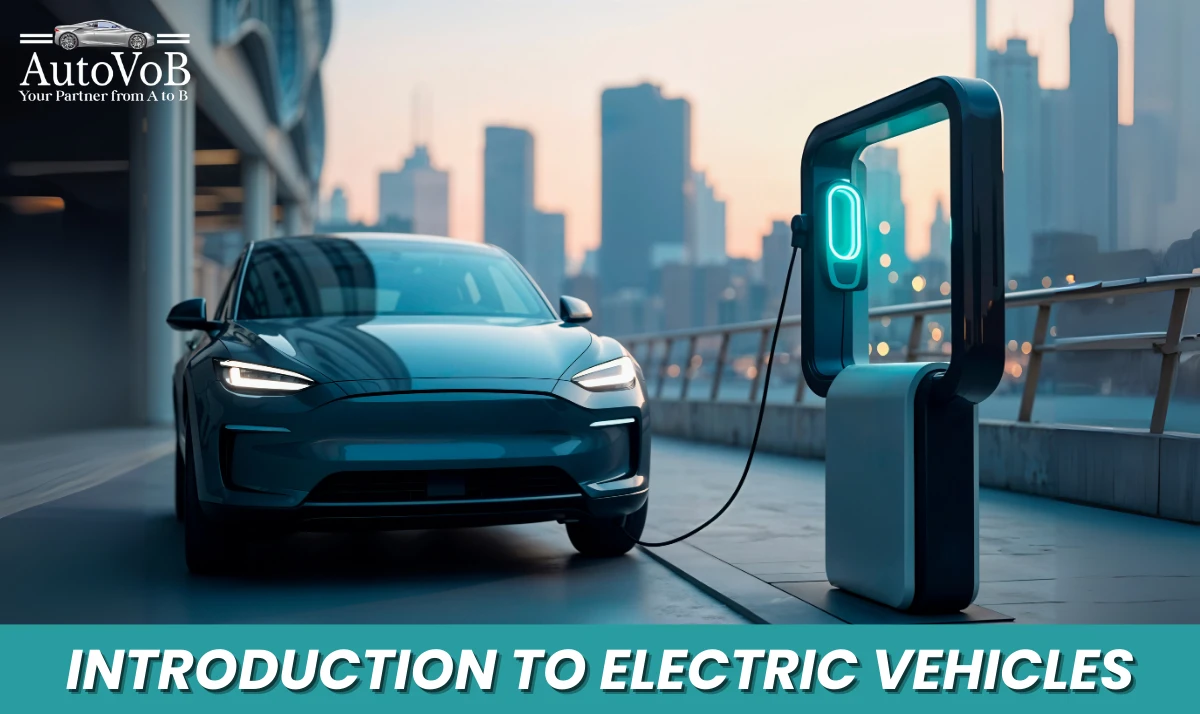
Electric vehicles are no longer an experiment. They are here, reshaping how people think about mobility worldwide. From the highways of the United States to the busy streets of India and the rapidly developing transport networks in GCC countries, EVs are forcing drivers, governments, and industries to rethink what it means to own and operate a car. This introduction to electric vehicles is meant to clear the noise and give you a real, balanced understanding of what EVs are, how they work, and why they matter.
What Makes an EV Different
Here’s the thing: an electric vehicle runs on stored electricity instead of burning fuel. A battery powers a motor, and that motor drives the car. No combustion, no exhaust fumes. The difference is obvious the moment you sit behind the wheel. Acceleration is instant, the ride feels smoother, and the absence of engine noise changes the driving experience altogether.
Traditional cars are a tangle of gears, pistons, and fluids that need constant attention. EVs strip that complexity down. Fewer moving parts mean fewer things that can break. That simplicity is part of the appeal, especially in regions where maintenance costs can be a major burden.
Different Types of EVs
Not every electric vehicle works the same way, and knowing the categories helps when you start comparing options.
- Battery Electric Vehicles (BEVs): Fully electric. These depend only on their battery. Think Tesla Model 3 or BYD Atto 3.
- Plug-in Hybrids (PHEVs): A mix of battery and gasoline engine. You can drive short trips on electricity, then switch to fuel for longer distances.
- Hybrids (HEVs): The car charges its small battery while driving but cannot be plugged in. Better fuel economy than standard cars but not fully electric.
Each type has its place, depending on your driving needs and the surrounding infrastructure.
Charging and Range: The Practical Questions
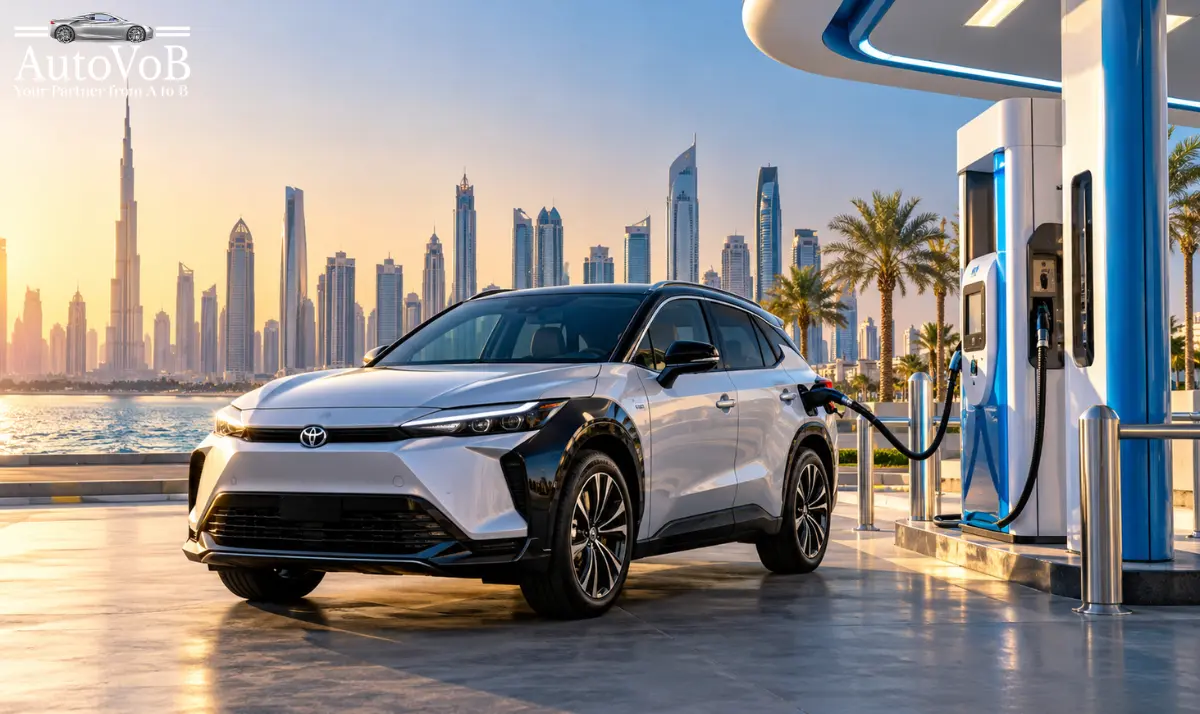
One of the biggest concerns for new buyers is charging. In the US, charging networks are expanding quickly, with thousands of public fast chargers spread across the country. In the GCC, governments like the UAE and Saudi Arabia are investing heavily in charging stations along highways and in cities. India is catching up too, with EV charging hubs popping up in metro areas like Delhi, Bangalore, and Mumbai.
Charging happens at different speeds. Plug into a regular home outlet and you may get only a handful of miles per hour. A dedicated home charger or public Level 2 station is much faster, giving you enough range overnight. The real game changer is DC fast charging, which can add more than 100 miles of range in under half an hour.
What this really means is that daily city driving is rarely a problem. The challenge still lies in long highway travel, especially in regions where charging networks are patchy. That gap is closing, but it is worth factoring in before making the switch.
Cost and Ownership
Let’s break it down. EVs often cost more upfront, but the long-term math usually works in their favor. Electricity is cheaper per kilometer or mile compared to gasoline, and the savings add up fast. Maintenance costs are lower too, since you do not have oil changes, exhaust repairs, or complicated transmissions to worry about.
In the US, federal tax credits and state incentives can cut the purchase price by thousands. In India, programs like FAME-II aim to make EVs more accessible with subsidies for both cars and two-wheelers. GCC countries are rolling out tax breaks, free registration, and discounted tolls to nudge more drivers into EV ownership.
Environmental Impact
EVs are often seen as the clean solution, and for good reason. No tailpipe emissions mean cleaner city air, which is crucial for dense regions like New Delhi or Riyadh. But let’s be honest: they are not perfect. The electricity used for charging still depends on the grid. If your power comes from coal, the environmental benefits are smaller than if it comes from solar, wind, or natural gas.
Battery production also raises questions about mining, recycling, and waste. The encouraging news is that recycling technologies are improving and governments are tightening standards to make EV supply chains more sustainable. Over the full lifespan of the car, most studies confirm that EVs produce fewer overall emissions than gasoline vehicles.
Driving Experience
If you have not driven one yet, you may not realize how different it feels. The acceleration is instant. Traffic feels less stressful because there is no lag, no gear shifting, and no constant engine noise. Regenerative braking, where the car slows down and feeds energy back into the battery, takes some getting used to but quickly becomes second nature.
It is not just about performance, though. The quiet cabin and smooth ride make daily commuting less tiring. In places where traffic jams are the norm, that difference is noticeable.
Challenges to Keep in Mind
It is important to recognize the hurdles. Charging infrastructure in rural India is still limited. In GCC countries, the desert climate puts pressure on battery performance, though most modern EVs are built to handle extreme conditions. In the US, while charging networks are improving, long-distance travel can still be a hassle outside major highways.
Battery recycling and disposal will be the next big challenge as adoption scales. The industry is working on it, but the solutions are still in progress.
The Bigger Picture
Globally, governments and automakers are pouring billions into EVs. The US is targeting half of new car sales to be electric by 2030. India is pushing hard for electrified two-wheelers, which could change mobility for millions. GCC nations are positioning EVs as part of their broader shift away from oil dependency.
For buyers, this means more choice and better prices in the coming years. It also means the resale market for EVs is starting to open up. Sites like autovob.com are making it easier for people to explore used EV options alongside traditional cars, connecting a global audience of buyers and sellers.
Should You Make the Switch?
The honest answer is: it depends on your life. If your driving is mostly within the city, charging at home or at work makes EV ownership easy and rewarding. If you are on the highway every week and live in a region with weak charging support, you may want to hold off or choose a plug-in hybrid.
But make no mistake, the momentum is clear. EVs are not a passing trend. They are a fundamental shift in how people will move from point A to point B.
Also Read: Electric Cars in UAE: What You Need to Know
Final Thoughts
This introduction to electric vehicles is not about hype. It is about clarity. EVs bring real benefits: lower running costs, a smoother ride, and fewer emissions. They also come with challenges that still need solving. The point is not to see them as perfect but as part of a transition that is unfolding worldwide.
Whether you are in the US considering a Tesla, in Dubai weighing the new Lucid models, or in India looking at affordable electric scooters, understanding what EVs offer helps you make smarter decisions. The road ahead is electric. The question is simply when, not if, you will be ready to take it.