Petrol vs Diesel Engine: Key Differences Explained Clearly
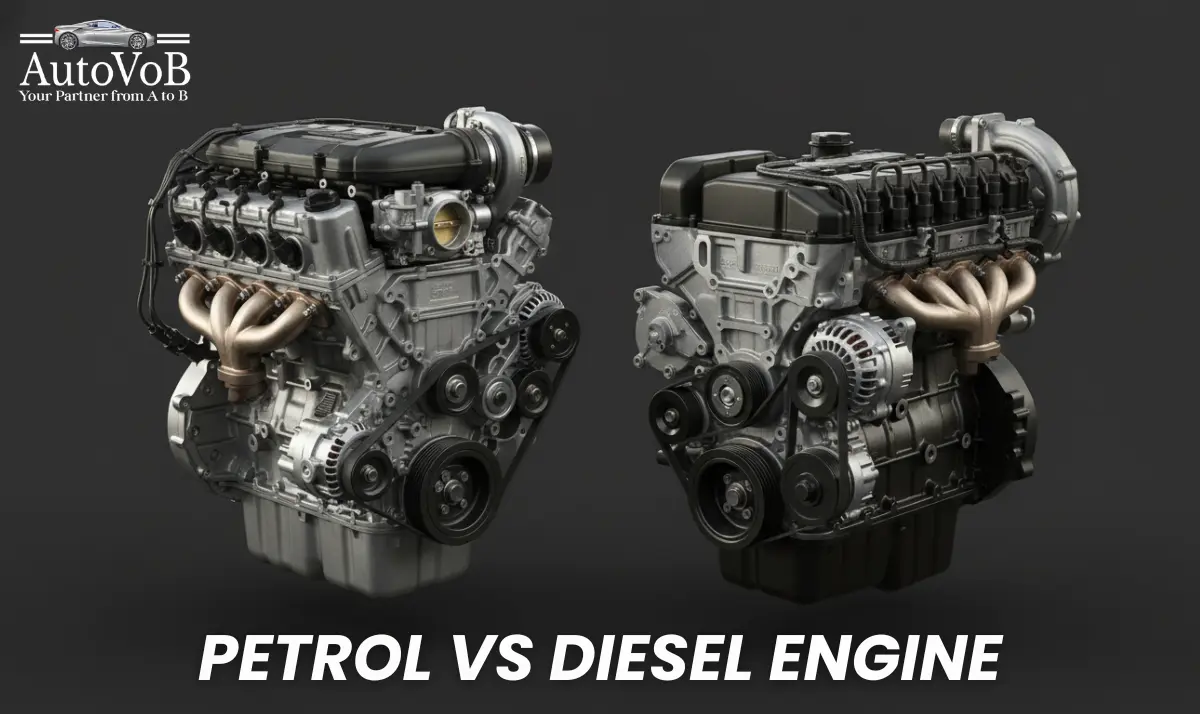
Choosing between a petrol engine and a diesel engine has a bigger impact on your driving experience than most people realize. A proper Petrol vs Diesel Engine comparison shows that while both rely on internal combustion, the way they burn fuel, deliver torque, and manage long-term running costs is very different. If you're trying to decide which engine type suits your driving habits, it helps to understand how each system works under the hood. Let’s break it down point by point so you can make a confident decision.
How Petrol and Diesel Engines Ignite Fuel
Here’s the thing: the biggest difference in the Petrol vs Diesel Engine debate starts with how each one ignites the air-fuel mixture.
Petrol Engines: Spark Ignition
A petrol engine uses a spark plug to ignite the mixture. Air enters the cylinder, mixes with petrol, and the spark plug fires at exactly the right moment. This gives petrol engines a smooth and responsive feel, especially at lower speeds. Because the combustion happens at a lower compression ratio, the engine runs quietly and revs easily.
Diesel Engines: Compression Ignition
Diesel engines skip spark plugs altogether. Instead, they compress air inside the cylinder until it becomes extremely hot, then inject diesel directly into the combustion chamber. The heat alone ignites the fuel. Since diesel engines run at much higher compression ratios, they produce more torque and better thermal efficiency. The trade-off is that the combustion process is louder and the engine feels heavier and more mechanical.
What this really means is petrol engines favor quick revs and lightness, while diesel engines favor force and sustained pulling power.
Fuel Injection Systems
Fuel injection plays an important role in any Petrol vs Diesel Engine comparison because their systems have evolved in different ways.
Petrol Fuel Injection
Modern petrol engines typically use either multi-point fuel injection or direct injection. In multi-point systems, fuel is injected into the intake port. In direct injection, petrol is sprayed straight into the combustion chamber. Direct injection improves power and efficiency but can increase carbon build-up on valves over time.
Diesel Fuel Injection
Diesel engines rely heavily on high-pressure injection systems. Common rail injection is the standard today. Fuel is stored under extremely high pressure in a rail and delivered through precision injectors that time each spray down to microseconds. This level of control improves efficiency, reduces emissions, and makes modern diesels far cleaner than older models.
Here’s the practical takeaway: petrol injection focuses on smooth combustion and throttle response, while diesel injection emphasizes pressure, atomization, and torque output.
Combustion Characteristics
Combustion behavior shapes the overall driving feel, and this is where the Petrol vs Diesel Engine difference becomes even clearer.
Petrol Combustion
Petrol burns quickly and evenly. This fast burn supports higher engine speeds, which is why petrol engines feel lively when you push the throttle. The flame spreads rapidly, producing a predictable power curve.
Diesel Combustion
Diesel fuel burns slower and releases more energy per unit. The ignition delay and high compression create a strong push on the piston, resulting in high torque at low RPM. The power delivery is steady and forceful rather than sharp and rev-happy.
In simpler terms: petrol combustion gives a sporty feel; diesel combustion gives a stronger low-end pull.
Power and Torque
Understanding how each engine generates power helps round out the Petrol vs Diesel Engine discussion.
Petrol Engines
Petrol engines shine in horsepower. They rev high, respond quickly, and deliver power smoothly. This makes them ideal for city driving, short commutes, and situations where frequent acceleration and deceleration happen.
Diesel Engines
Diesel engines excel in torque. Torque is the force that gets your vehicle moving from a standstill and keeps it pulling on highways or steep roads. If you tow, carry heavy loads, or drive long distances, diesel torque feels more capable.
Think of it this way: petrol engines are sprinters; diesel engines are long-distance lifters.
Fuel Efficiency
Fuel efficiency is one of the most important parts of the Petrol vs Diesel Engine comparison, especially for long-distance drivers.
Petrol Efficiency
Petrol has lower energy density compared to diesel. As a result, petrol engines usually consume more fuel for the same distance. Modern turbocharged petrol engines have improved efficiency, but they still lag behind diesels on long highway drives.
Diesel Efficiency
Diesel contains more energy per liter and burns in a more controlled, high-compression environment. This means diesel engines extract more useful work from every drop of fuel. Long-distance drivers and highway commuters see significant savings with diesel.
If fuel cost matters and you cover a lot of kilometers, diesel often wins. For low-mileage users, the benefit shrinks.
Emissions and Environmental Impact
This part often gets simplified too much, so let’s make it clear.
Petrol Emissions
Petrol engines emit more carbon monoxide and unburnt hydrocarbons but less nitrogen oxides (NOx). Their particulate matter output is lower than diesel unless they use direct injection, which can raise particle levels slightly.
Diesel Emissions
Diesel engines traditionally produced more NOx and particulate matter, but modern diesel technology has changed the story. Diesel particulate filters (DPF), exhaust gas recirculation (EGR), and selective catalytic reduction (SCR) with AdBlue significantly cut harmful emissions.
The key point: older diesels were dirtier; modern diesels are heavily regulated and far cleaner.
Maintenance and Longevity
Maintenance often decides the real cost of owning either engine.
Petrol Engines
Petrol engines are simpler and usually cheaper to maintain. Parts like spark plugs, ignition coils, and injectors are affordable. Petrol engines also warm up quicker, which reduces internal wear if your daily driving includes many short trips.
Diesel Engines
Diesel engines are built with stronger components because they operate at higher pressures. They often last longer if driven regularly over long distances. However, their maintenance can get expensive. Components like high-pressure pumps, injectors, turbochargers, and emission systems cost more to service or replace. If most of your trips are short city runs, diesel engines can face issues with the DPF.
So yes, diesels can outlast petrol engines, but only when used the way they’re designed to be used.
Driving Experience
Driving feel matters, and the difference is noticeable.
Petrol
Light, responsive, and smooth. The throttle feels lively, and the engine sound is refined. Great for cities, short trips, and people who value refinement.
Diesel
Strong, grounded, and confident. The pull at low RPM makes driving effortless, especially on highways. The engine feels purposeful rather than playful.
Your driving environment decides which one feels better for you.
Cost of Ownership
Cost becomes clearer when you connect all the earlier points.
- Initial price: Diesel vehicles usually cost more.
- Fuel cost: Diesel engines consume less fuel, saving money over long distances.
- Maintenance: Petrol is cheaper; diesel can be costly if something major fails.
- Resale value: Diesel vehicles retain value better in markets that favor highway driving.
It’s not about which engine is cheaper overall, it’s about which is cheaper for your lifestyle.
Which One Should You Choose?
Here’s the honest answer:
Choose Petrol If:
- You drive less than 15,000 km a year.
- Most of your trips are short or within the city.
- You prefer smoother performance and lower maintenance.
- You want a lower upfront cost.
Choose Diesel If:
- You drive long distances frequently.
- You need strong torque for highways, towing, or hills.
- You want better fuel economy over the long run.
- You don’t mind higher maintenance costs if the engine is properly used.
Also Read: V8 Engine Power: What Makes It Legendary
Final Thoughts
A detailed Petrol vs Diesel Engine comparison shows that the question isn’t which one is better but which one fits your needs. Petrol engines offer refinement and responsiveness, while diesel engines deliver efficiency and torque. Once you understand how each system works, from combustion to injection to long-term ownership, the right choice becomes obvious.