V8 Engine Power: What Makes It Legendary

Car enthusiasts and casual drivers alike have one thing in common: they know the sound of a V8 engine when they hear it. That deep growl at idle and the thunderous roar at full throttle are enough to turn heads on any street. But there’s more to a V8 than just sound. It’s a piece of engineering that’s shaped decades of automotive culture, from muscle cars and trucks to luxury sedans and performance icons.
Let’s break down why the V8 continues to matter, what it costs to own, how long it lasts, and why something like a GM V8 crate engine is still one of the most popular upgrades out there.
What Makes a V8 Engine Special
A V8 engine gets its name from its eight cylinders arranged in a V-shaped formation. This design has been around since the early 1900s, but it truly rose to prominence in the post-war era when American automakers turned it into the beating heart of muscle cars and big trucks.
Why does this setup work so well? It strikes a balance between power and smoothness. Four-cylinder and six-cylinder engines can be efficient and practical, but they don’t deliver the same instant torque or satisfying rumble. A V8 engine can push out incredible horsepower while keeping the ride relatively refined. That’s why it’s just as common in pickup trucks as it is in high-end sports cars.
How Long Does a V8 Engine Last?
One of the first questions people ask is how long does a V8 engine last. The answer depends on how it’s treated. With proper maintenance—regular oil changes, timely belt replacements, clean filters, and sensible driving—a modern V8 can easily cross 200,000 miles. Some last well beyond 300,000.
Truck owners often push their V8s hard, towing heavy loads and covering long distances. Even in those demanding conditions, the durability of a well-maintained V8 is impressive. Compare that to smaller turbocharged engines that may wear out faster under stress, and you can see why the V8 still has loyal fans.
How Much Does a V8 Engine Cost?
Next, let’s talk money. How much does a V8 engine cost? Prices vary widely. If you’re buying a brand-new car with a V8 under the hood, you’re paying a premium. That’s because automakers reserve these engines for their higher-end trims and specialty vehicles.
If you’re shopping for just the engine, costs range from $3,000 to $10,000 for a replacement, depending on whether it’s rebuilt, used, or brand-new. A custom high-performance V8 can push well past that. Labor for installation adds another few thousand dollars. It’s not cheap, but many drivers see it as an investment in long-term reliability and driving enjoyment.
Why the GM V8 Crate Engine Is So Popular
One of the easiest ways to breathe new life into an older car is with a crate engine. And few are as well-known as the GM V8 crate engine lineup. General Motors offers a wide range of these ready-to-install engines, from classic small-blocks to modern LS and LT series powerplants.
Why are they so popular? For one, they’re reliable and tested. Instead of gambling on a used motor with an uncertain history, a GM crate engine gives you a fresh start. Second, they cover a broad spectrum of performance needs. Want to restore a 60s Camaro? There’s a crate engine for that. Want to push your street car into track-ready territory? GM has that covered too.
Car builders love them because they come complete with most of what you need, saving hours of hunting down parts. And the aftermarket support is huge, which means easy access to upgrades, tuning options, and replacement parts.
The V8 in Modern Cars
It’s no secret that emissions regulations and the push for efficiency have cut into V8 production. Many brands now lean on turbocharged six-cylinders or hybrid setups. Still, the V8 engine hasn’t disappeared. It remains a selling point for buyers who value raw performance, sound, and longevity.
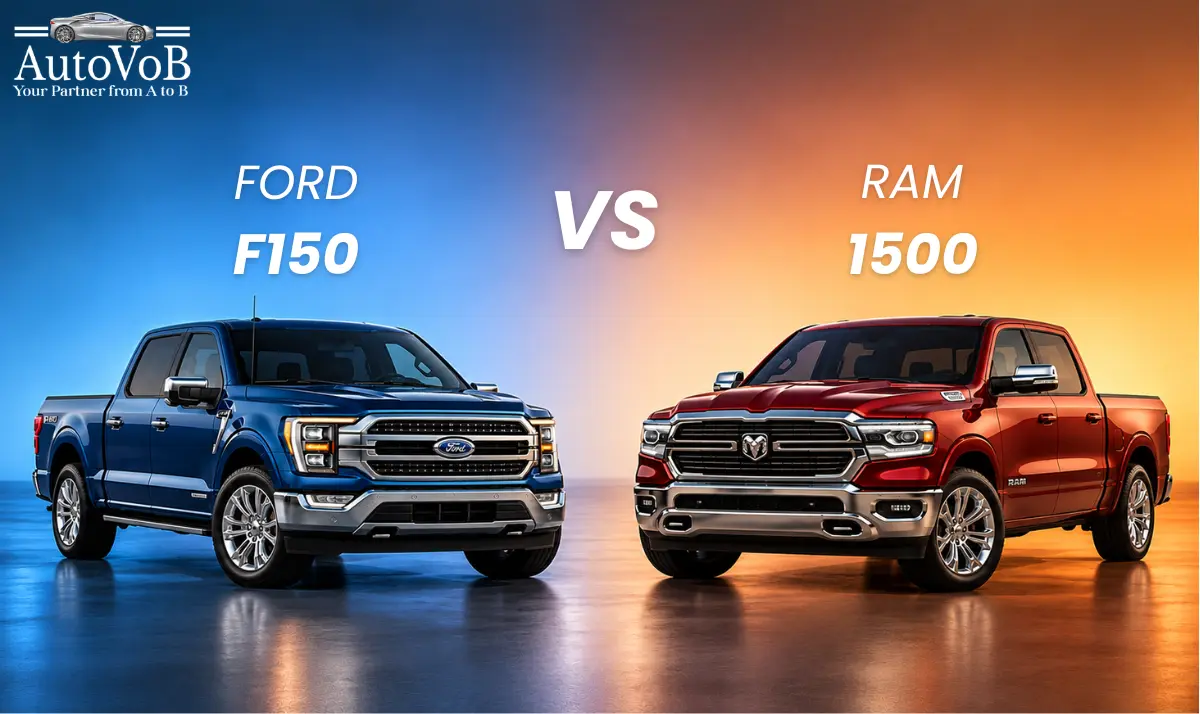
Luxury brands like Mercedes, BMW, and Lexus keep the V8 alive in their performance sedans. American automakers continue to put them in muscle cars like the Mustang GT, Camaro SS, and Dodge Challenger. Trucks like the Ford F-150, Chevrolet Silverado, and Ram 1500 still rely heavily on V8 power, even as electric trucks start gaining ground.
V8 vs Smaller Engines
Here’s the thing: smaller engines have closed the gap in many areas. A turbocharged V6 today can put out as much horsepower as an older V8, with better fuel economy. But that doesn’t tell the whole story.
The unique driving feel of a V8—the instant throttle response, the torque delivery, and the soundtrack—is tough to replicate. It’s not just about numbers on a spec sheet. It’s about the experience. That’s why, even as alternatives grow, enthusiasts keep buying cars with V8s.
Should You Invest in a V8?
If you’re considering a car with a V8 or thinking about swapping one into your project, the decision often comes down to priorities. Do you want maximum efficiency, or do you want character and power?
A V8 engine isn’t the cheapest option, and fuel costs can add up. But if you care about driving enjoyment, reliability, and performance that feels effortless, it’s still hard to beat. Add the availability of options like the GM V8 crate engine, and it becomes clear why this format continues to thrive despite the changing automotive landscape.
Also Read: Car AC Refrigerant Leak Repair: Key Things to Know
Final Thoughts
The V8 engine has been more than just a mechanical setup for over a century. It’s a cultural symbol. It represents strength, endurance, and the thrill of driving. From answering how long does a V8 engine last, to breaking down how much does a V8 engine cost, the story is consistent: it’s built to deliver value far beyond numbers.
Even as the industry shifts toward electrification, the V8 holds its ground as an icon. Whether it’s under the hood of a classic muscle car, a modern luxury sedan, or a workhorse truck, it continues to define what power and performance mean on the road.
For more such informative blogs, keep following AutoVoB blogs