Electric Cars in UAE: What You Need to Know
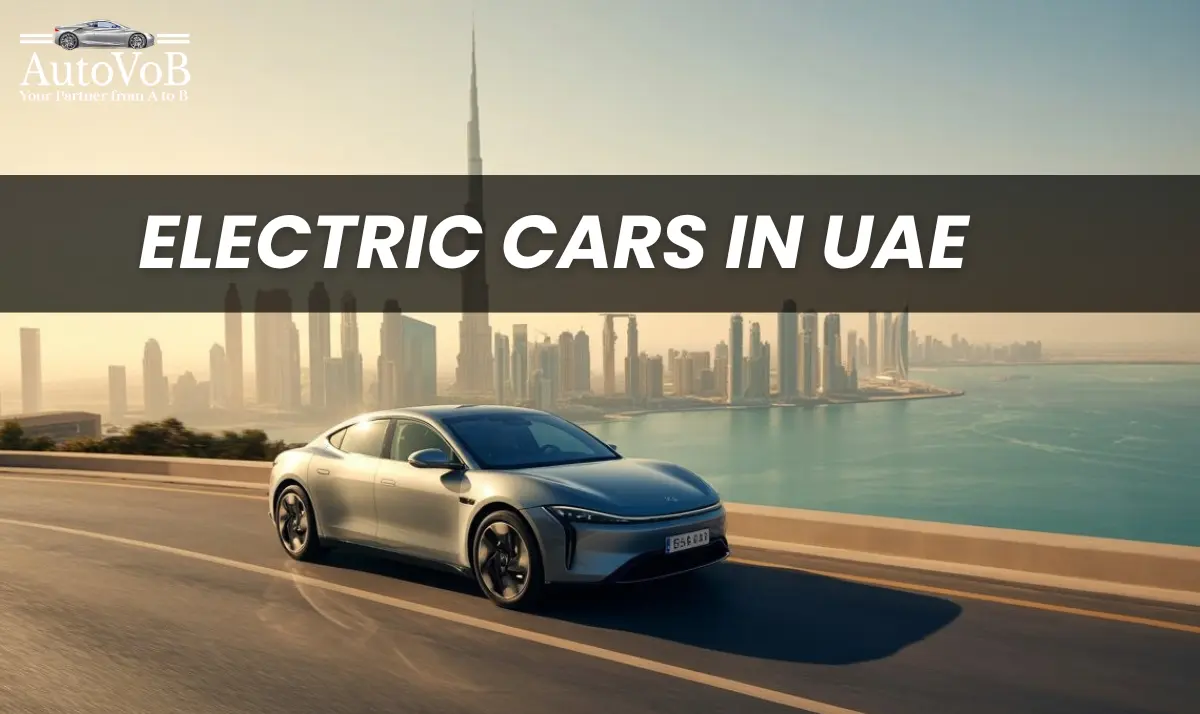
Let’s be honest—when you think of the UAE, you probably imagine luxury vehicles, wide highways, and a car-centric lifestyle. But what’s quietly gaining momentum is the shift toward electric cars in UAE. It’s not hype anymore. It’s happening. From Dubai to Abu Dhabi and beyond, electric vehicles (EVs) are showing up in driveways, company fleets, and even in government policy.
So what’s driving this change? Is it really practical to own one? And if you're thinking of switching, what should you actually know—not just the brochure stuff?
Let’s break it down.
Why Electric Cars in UAE Are Gaining Traction
It’s not one single reason. It’s a mix of things coming together:
- Fuel savings are real. Even though petrol is cheaper in the UAE than many other countries, EV charging still works out significantly cheaper on a per-kilometer basis.
- Government incentives matter. Free parking, toll exemptions, and discounted registration fees for electric vehicles in cities like Dubai make ownership more attractive.
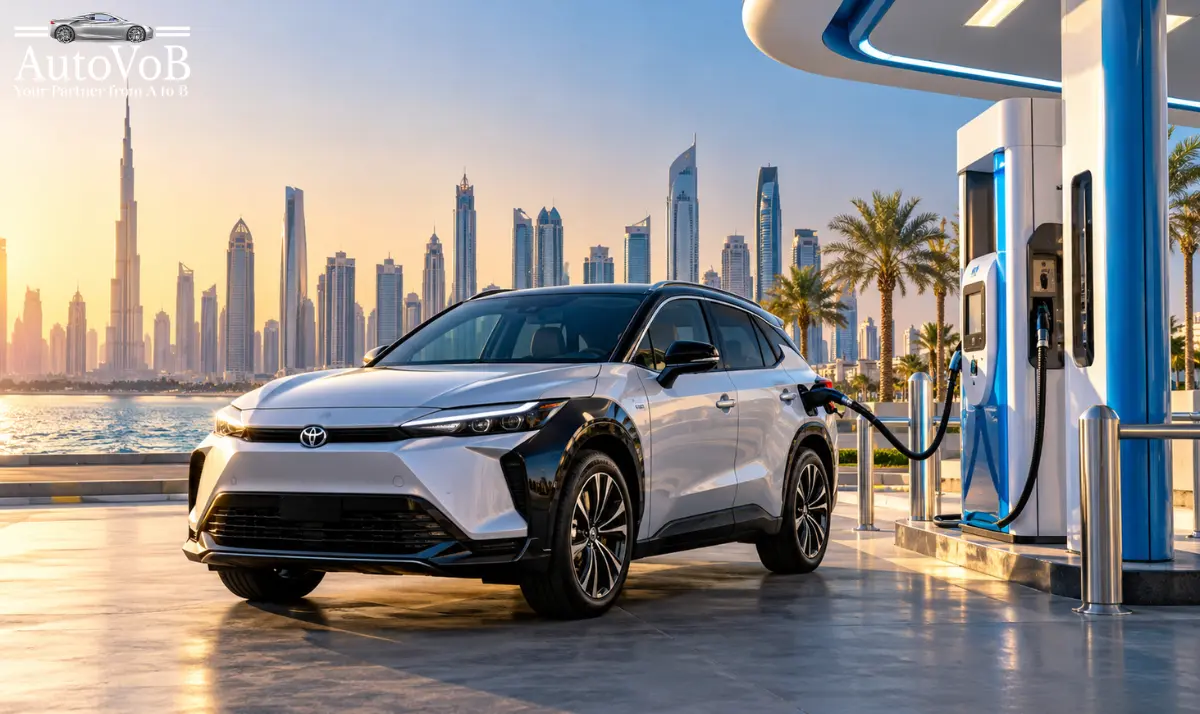
- Charging infrastructure is expanding rapidly. A few years ago, charging stations were rare. Now, they’re in malls, gas stations, residential areas, and even some offices.
- Eco-conscious consumers are growing. People aren’t just thinking about performance—they want their cars to reflect their values. Lower emissions, quieter drives, and tech-friendly dashboards help.
The result? A solid upward trend in registrations for electric cars in UAE, across both private and commercial sectors.
The EV Models You Actually See on UAE Roads
This isn’t just about Teslas anymore.
Tesla still has a strong hold here—particularly the Model 3 and Model Y—but now you’ll also find:
- BMW i4 and iX
- Audi e-tron series
- Porsche Taycan
- Hyundai Ioniq 5 and 6
- Nissan Leaf
- MG ZS EV
- BYD and Geely (especially among budget-conscious buyers)
Whether you're looking for a budget-friendly hatchback or a high-performance beast, the variety is growing quickly. Local dealerships are catching up, and resale platforms are now featuring more EVs in their listings.
Owning an EV in the UAE: The Good and the Not-So-Good
Here’s the thing: owning electric cars in UAE can be smooth—if you go in informed.
What’s Great
- Lower running costs: Charging is cheaper than filling up with fuel, and EVs generally have fewer moving parts, meaning less maintenance.
- Government support: Dubai’s Roads and Transport Authority (RTA) offers various incentives, and DEWA provides EV Green Charger access for free charging (within certain limits).
- Convenience: You can charge at home if you have a villa, or at public stations if you're in an apartment. Fast-charging is now possible in many locations.
What You Should Consider
- Initial cost: EVs can be pricey upfront, especially if you go for premium brands. However, used electric cars are becoming more common and affordable.
- Resale value: Still a developing area. The secondhand market for electric cars in UAE is not as mature as for petrol cars, but it’s improving.
- Charging access: If you live in a building without EV infrastructure, charging could get inconvenient. Always check availability around your neighborhood or workplace.
- Extreme heat: UAE summers are brutal. Battery life and performance can be affected in some models if they're not thermally managed well.
Charging Your Electric Car: What You Need to Know
This part can make or break your experience.
Charging Options
- Home Charging: Ideal for villa owners. Overnight charging with a dedicated wall box usually gives a full charge by morning.
- Public Charging: DEWA Green Chargers, ADNOC stations, and EVBox setups are popping up fast.
- Fast Charging: Reduces downtime. Takes 20–40 minutes to charge up to 80%, depending on your car model.
Charging Cost
Free charging through DEWA’s Green Charger was offered up to a certain kWh limit, but this is phasing out. On average, it still costs less than half of what you'd pay for petrol over the same distance.
Should You Buy New or Used?
This is a big one.
Buying new means you get the full battery range, manufacturer warranties, and peace of mind. But used electric cars in UAE are starting to make sense too, especially for those looking to avoid the high upfront cost.
Make sure to:
- Check battery health (a battery with 90% health might still serve you well for years)
- Review software updates (Tesla and others push over-the-air updates that keep the car running like new)
- Confirm charging compatibility (some older imports may not work well with local chargers)
Real-Life Example: A Buyer’s Take
Ali, a resident in Abu Dhabi, recently switched from a petrol-powered SUV to a used Tesla Model 3. His daily commute is about 40 kilometers roundtrip. Here’s what he shared:
"I save nearly AED 600 a month on fuel, and I don’t miss the gas station runs. The car charges overnight at home. But I had to spend extra to install the home charger, which took a week to set up."
That’s a practical tradeoff—some upfront setup time and cost, with savings that kick in over time.
Also Read: Chinese Cars in UAE: Why They're Suddenly Everywhere
Is It Time to Switch?
Electric cars in UAE are no longer experimental or trendy. They’re practical, supported, and increasingly integrated into everyday life. That said, not everyone needs to switch right now. If you drive long distances daily with limited charging access, a hybrid might be smarter.
But if your lifestyle fits the EV model, there's a lot to like:
- Lower fuel and maintenance costs
- Quiet, smooth drive experience
- Incentives and infrastructure that actually help
Final Thoughts
There’s still a learning curve. From how charging works to how batteries degrade over time, owning electric cars in UAE isn’t just plug-and-play. But that curve is getting easier to climb.
If you’re even mildly considering making the switch, now’s a good time to research, ask around, and maybe test drive a few models. The future is clearly headed in that direction. You don’t have to be first, but it pays to be prepared.