Hybrid vs Electric Cars: The Better Choice in the Middle East
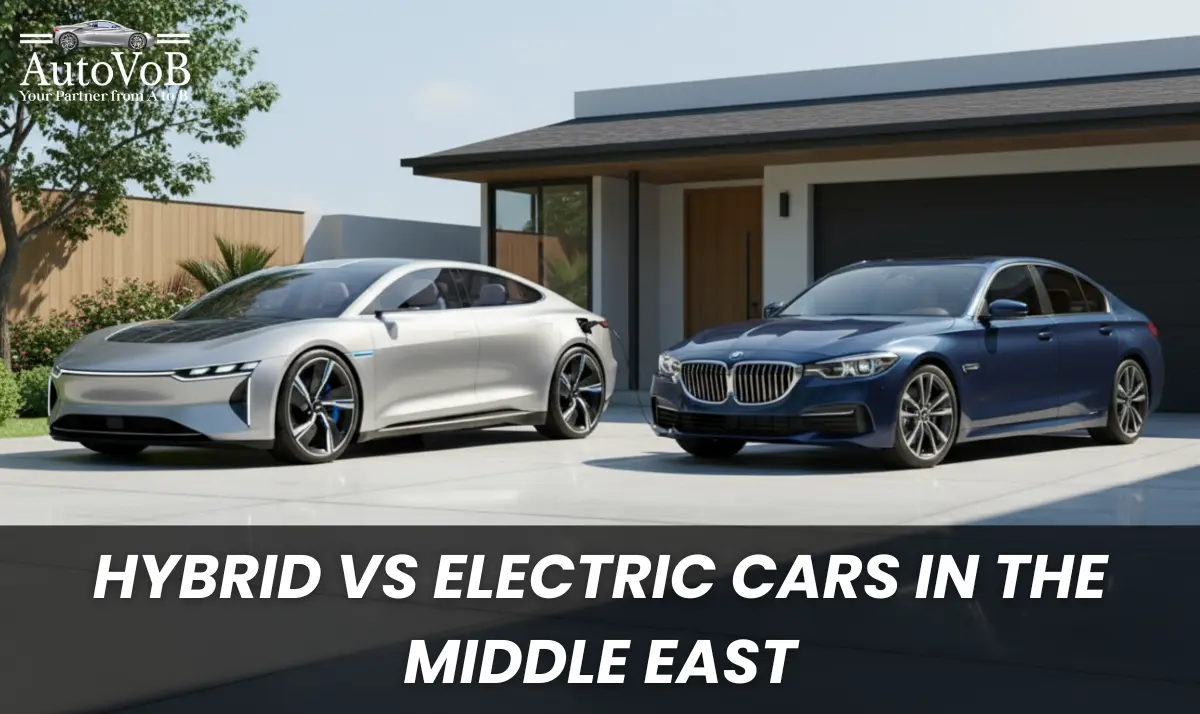
When car buyers in the Middle East weigh their options, the debate often centers around Hybrid vs Electric Cars. The region is moving toward cleaner mobility, yet each country in the Gulf has different levels of charging infrastructure, incentives, and consumer habits. Drivers in the UAE, Saudi Arabia, Qatar, Kuwait, and Bahrain are curious about switching to greener cars, but the right choice depends on how each technology fits the realities of the region. A clear look at the benefits and limitations of both helps make the decision easier.
Understanding the Middle East Context
The Gulf region is in a transitional phase. EV sales are rising, well-developed cities like Dubai and Abu Dhabi are building dense charging networks, and Saudi Arabia is investing heavily in electric mobility through its Vision 2030 initiatives. Hybrids, however, continue to attract steady attention because they require no lifestyle change.
Fuel prices are comparatively low across GCC nations, which affects the economic motivation behind adopting electric vehicles. At the same time, governments are encouraging cleaner technologies through reduced registration fees, toll exemptions, and preferential parking for EVs.
This mix of incentives, affordability, and infrastructure explains why the Hybrid vs Electric Cars discussion is so active in the region.
Hybrid Cars: Advantages in the Middle East
- Works Well in Areas With Limited Charging
A hybrid makes sense in parts of Saudi Arabia or Oman where charging stations are still sparse. With a petrol engine backing the electric motor, a hybrid adapts seamlessly across cities, suburbs, and long desert highways. Drivers never need to worry about access to a charger.
- Strong Efficiency in Daily Traffic
Heavy traffic in Riyadh, Jeddah, Dubai, and Sharjah actually helps hybrids perform better. Their electric motors assist in slow-moving conditions, reducing fuel consumption during idling and short bursts of acceleration. Even though petrol is affordable, the savings are meaningful over time.
- Eliminates Range Anxiety
Range anxiety is a real concern for drivers traveling long distances across the Middle East. Hybrids avoid this problem entirely. If the battery drains, the car simply runs on petrol, making them ideal for inter-city travel.
- Familiar Servicing and Wider Maintenance Support
Most workshops in the region understand how to maintain petrol engines. Hybrids keep that familiarity while adding electric assistance. Parts availability, technician training, and maintenance routines are more mature compared to full EVs.
Hybrid Cars: Limitations to Consider
- Still Dependent on Petrol
Since hybrids still use fuel, they don’t offer the environmental purity or cost advantage of a full EV. Engine oil changes, filters, and other traditional maintenance items remain part of ownership.
- Less Cost Advantage in Fuel-Rich Countries
The financial benefit of a hybrid is smaller in regions where petrol prices remain relatively low. The overall savings may not justify the higher upfront cost for some buyers.
- Added Mechanical Complexity
A hybrid carries both a combustion engine and electric components. More systems mean more potential issues in the long run. Battery deterioration also becomes a factor as the car ages.
- Moderate Sustainability Impact
While better than conventional petrol cars, hybrids do not provide the same level of environmental benefit as fully electric vehicles.
Electric Cars: Advantages in the Middle East
- Zero Tailpipe Emissions
EVs produce no direct emissions, which contributes positively to air quality in dense urban areas. This is a strong selling point in cities focused on sustainability.
- Lower Running Costs Over Time
Electric cars require fewer mechanical parts, no oil changes, and lower long-term maintenance. Electricity costs, especially when charging at home, often undercut petrol prices, even in fuel-rich countries. Government incentives like discounted registration fees and toll exemptions further reduce expenses.
- Rapid Expansion of Charging Networks
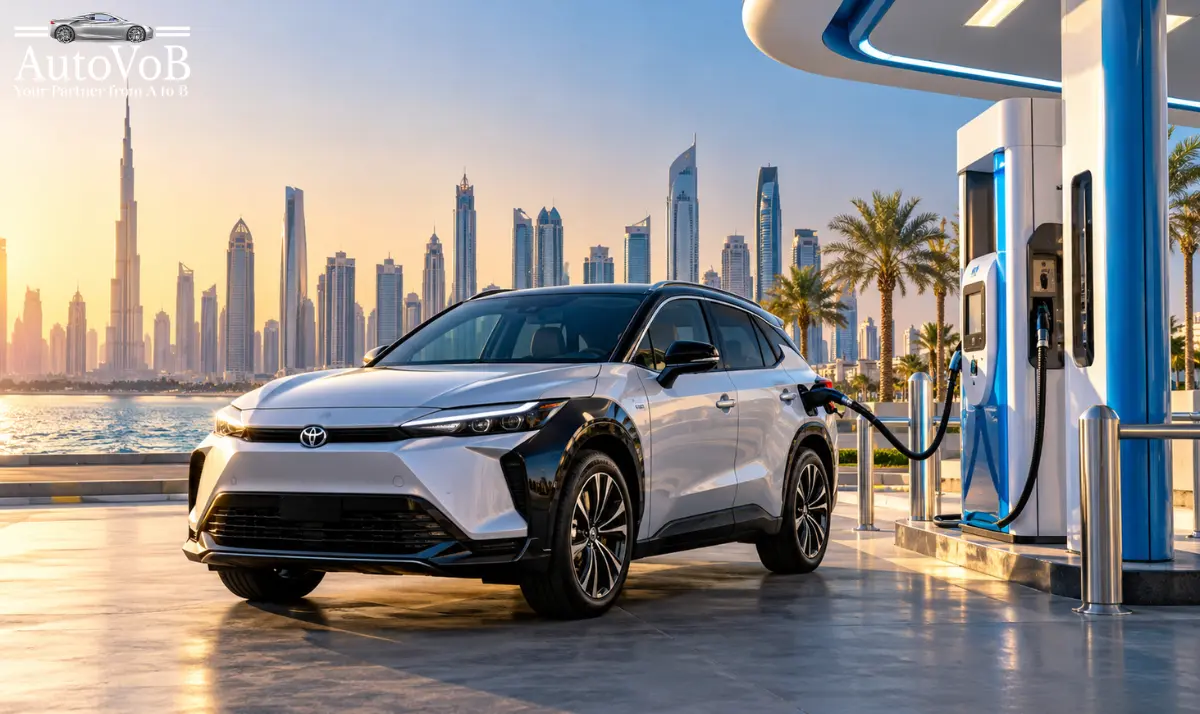
The UAE has one of the fastest-growing EV charging infrastructures in the region. Saudi Arabia is not far behind, adding hundreds of new public chargers each year. For urban residents, charging is becoming increasingly convenient.
- A Forward-Looking Choice
Since Gulf governments are steering future mobility toward electrification, EVs offer a sense of long-term alignment with where the market is headed. Buyers planning to keep their cars for many years may benefit from transitioning now.
Electric Cars: Drawbacks Drivers Should Know
- Higher Purchase Price
EVs generally cost more upfront than hybrids or petrol cars. Even with regional incentives, that price gap can be a challenge for many buyers.
- Charging Coverage Still Uneven
Major UAE and Saudi cities are well-equipped, but long-distance drivers may face uncertainty. Desert routes, smaller towns, and inter-country drives still lack robust charging stations.
- Climate-Related Battery Stress
The Middle East’s extreme heat affects battery life and driving range. Although modern EVs use advanced cooling systems, the climate remains a unique challenge compared to cooler regions.
- Limited Service Ecosystem
Repair facilities and EV specialist technicians are growing, but the ecosystem is still young. Certain brands may have limited service availability or slower parts supply.
- Resale Values Still Developing
Since EVs are newer in the region, resale values fluctuate. Battery health plays a major role, which can make older EVs riskier for second-hand buyers.
Hybrid vs Electric Cars: Which One Fits Middle Eastern Drivers?
When comparing Hybrid vs Electric Cars, the better choice depends heavily on driving patterns, access to charging, and lifestyle.
A Hybrid Suits Drivers Who:
- Travel often between cities or into regions with limited charging
- Prefer the reliability of petrol backup
- Want better fuel economy without changing daily routines
- Value easy servicing and predictable long-term maintenance
An Electric Car Suits Drivers Who:
- Live in major cities with strong charging infrastructure
- Have access to home or workplace charging
- Prioritize low running costs and emissions
- Plan to keep the car long enough to benefit from future market trends
In short, hybrids offer practicality without disruption, while EVs offer long-term savings and environmental benefits, provided charging access is stable.
Extra Middle East–Specific Factors
The Hybrid vs Electric Cars debate in the Middle East also depends on details unique to the region:
- Fuel vs electricity pricing: Cheap petrol reduces savings from EVs and hybrids.
- Climate impact: Extreme heat influences EV battery life and efficiency.
- Government incentives: EVs often receive better registration or toll discounts.
- Used car market maturity: Hybrids have a stronger resale history; EV resale depends heavily on battery condition.
- Brand support: Some global EV brands have full regional service networks; others are still expanding.
Also Read: Growth of the Automotive Market in GCC Countries in 2025
Final Verdict
The Hybrid vs Electric Cars question in the Middle East has no universal answer. It comes down to personal habits and local infrastructure. Hybrids are the safer, more predictable choice for many drivers, especially those covering long distances. Electric cars, on the other hand, appeal to city-based drivers with access to charging who want low running costs and future-focused mobility.
Choosing the right option becomes easier when drivers evaluate their daily mileage, long-distance travel needs, budget, home charging availability, and total cost of ownership. With those factors aligned, the best choice becomes clear.