How to Sell Your Car in Bahrain: Complete Guide
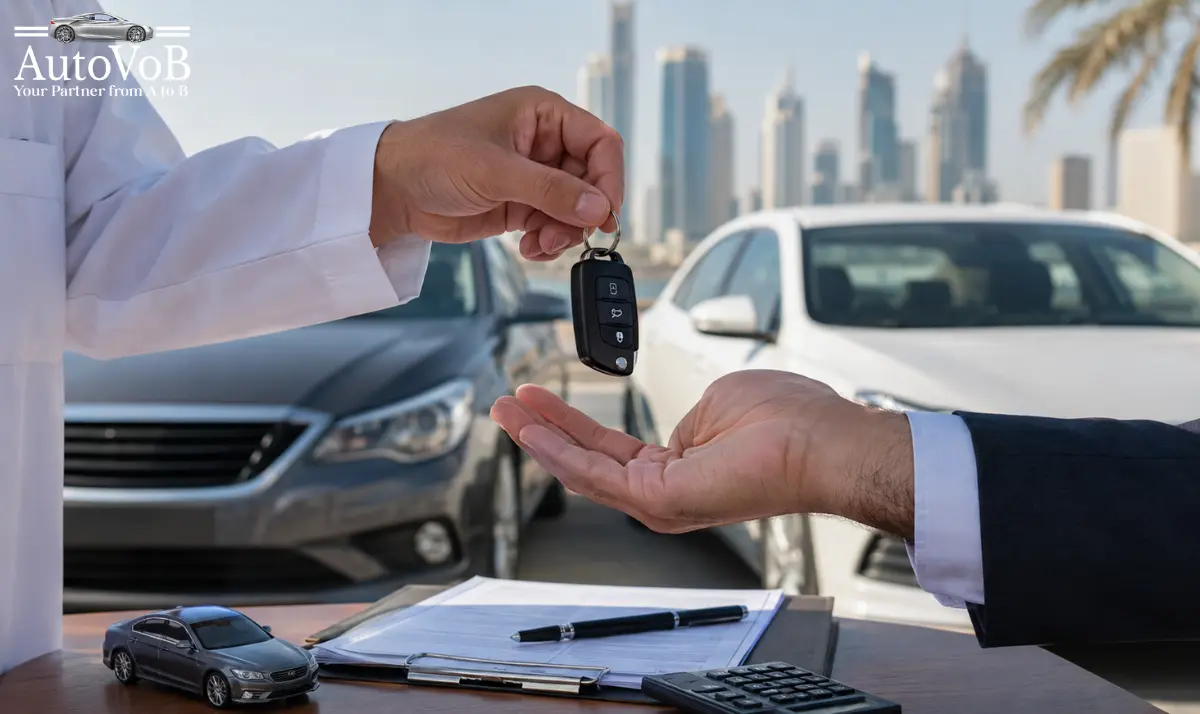
The paperwork to sell a car in Bahrain is cheap and quick. The General Directorate of Traffic charges BD 16 to transfer ownership and completes it in one working day. Everything around that BD 16 is where sellers lose money and weekends: pricing on sentiment, listing a car with unpaid violations attached, or finding out at the counter that the bank still holds a claim on the vehicle. Sort those out first and the sale itself is almost boring.
Price against the market, not against what you paid
Bahrain is a small island with a lot of cars on it. In late 2024 the Interior Minister told local editors that around 676,137 vehicles were registered here, growing roughly 3.26 percent a year, which adds close to 20,000 vehicles annually. Your car is not rare. Whatever you owe the bank has no bearing on what a buyer will pay, and buyers in this market are comparing your listing against dozens of near-identical ones on the same afternoon.
What actually moves the number is documentation. A stamped service book from the authorised agent is worth real money on a Japanese or Korean car, because the buyer can stop guessing. Accident history matters just as much, and it is checkable: the eGovernment portal runs an enquiry service for used vehicles, so assume a serious buyer will look before they hand over cash. Price honestly and you get fewer viewings but better ones.
Clear fines, dues and finance before you advertise
The Traffic Directorate will not transfer a vehicle while violations or accident claims are outstanding between the two parties. Settlement of those is listed as a condition of the service, not a suggestion. Check your record through the eTraffic app or the traffic services on bahrain.bh, pay what is owed, and keep the receipt.
Financed cars are the other common stumbling block. If the vehicle is still under an instalment plan, the transfer needs a clearance certificate from the financing body confirming the loan is settled. Banks do not produce these instantly. Request the settlement figure early, because if you agree a price on Thursday and only then call the bank, your buyer is waiting a week and may walk.
If you are selling a financed car through a dealer, expect the settlement amount to be deducted from what you are paid, with the balance released only once the release letter reaches the Traffic Directorate. That is standard practice, and it is a reasonable one. What is not reasonable is an informal arrangement where the buyer promises to keep paying your loan. The loan stays in your name. So does the liability.
Get the inspection and registration current
Private cars in Bahrain become subject to annual technical inspection once they pass five years from the model year, and a pass is required before registration renewal. Inspection at a Traffic Directorate centre costs around BD 5, while an approved private centre charges roughly BD 11. The fee applies each visit, including a re-test if the car fails, so fixing a blown bulb or a bald tyre beforehand is cheaper than a second appointment.
Capacity is not the problem it used to be. The Interior Ministry opened a centre in Janabiya in October 2025, the thirteenth in the country, as part of handing inspection work to private operators.
Do not let registration lapse while the car sits unsold. Late renewal attracts a daily delay charge of 500 fils, capped at BD 20, and an expired registration means the vehicle has to go through technical inspection before it can be dealt with at the licensing counter. A car with a fresh pass and several months of registration left is genuinely easier to sell, because the buyer inherits a problem-free year.
Where to sell a used car in Bahrain: privately, to a dealer, or on trade-in
The question of how to sell a car in Bahrain comes down to how much time you are willing to trade for money. A private sale pays the most and costs the most in effort. You will field time-wasters, arrange viewings, and eventually spend a morning at the Traffic Directorate with a stranger. Departing expats have long parked cars in visible spots with a sign in the windscreen, and it still works, though online listings do the heavy lifting now.
A used car dealer pays less and removes almost all of it. The gap between the two is the price of certainty, and for anyone with a flight booked or a car under finance, certainty is worth paying for. Trading in against your next car sits in between: weaker on price, strong on convenience, and useful when the showroom handles the transfer and insurance paperwork for you.
My view, after watching plenty of these deals go sideways: if the car is clean, under five years old and desirable, sell it privately. If it is high mileage, needs work, or you are short on time, take the dealer offer and stop thinking about it.
What happens at the Traffic Directorate
Both the seller and the buyer must attend and sign General Directorate of Traffic Form No. 1 in front of the officer handling the file. Signatures are matched against the Directorate's records or your identity card, and a mismatch is grounds for rejection, as is an uncertain delegate acting on someone's behalf. Sign the way you sign on your CPR.
Bring the identity card, the completed licensing form, the ownership certificate, a valid vehicle registration certificate, an insurance certificate already in the buyer's name, and the finance clearance certificate if one applies. Companies add a copy of the commercial registration and a stamped letter from the authorised signatory. The old ownership certificate is withdrawn and a new one is issued to the buyer on the spot.
Book an appointment through the Ministry of Interior's appointment app rather than walking in, and check whether one of the external service centres is closer than the main building. The stated processing time is one working day.
Insurance is the step people get wrong
The transfer will not complete unless insurance is already in the buyer's name, and cover in Bahrain has to be at least third party, valid for a full year from the month of registration in the new owner's name. That means the buyer needs to arrange their policy before the appointment, not after.
Once the transfer is done, deal with your own policy. Cancel it or move it to your next car, and ask about a refund on the unused portion, since insurers here often give one. Leaving a live policy on a vehicle you no longer own helps nobody, and leaving the car untransferred is worse: until the record changes, the fines, the accidents and the arguments are still yours.
Also Read: Used Cars for Sale in Bahrain by Owner: A Complete Guide for Smart Buyers
If you are leaving the country
Sell before you fly. The British Embassy's own departure checklist for Bahrain tells residents to sell the car before leaving or to leave a Power of Attorney with someone trusted to sell it on their behalf, with a local lawyer advising on the document. It also flags checking outstanding traffic fines through bahrain.bh and asking your insurer about a rebate.
Selling a car remotely is harder and slower than people expect. If the timeline is tight, a lower dealer price beats a sale that never closes while you are 6,000 kilometres away.
Fees and procedures here reflect what the government publishes at the time of writing. Bahrain sets traffic fees and requirements by ministerial decision and can change them at any point, so confirm the current figures on the eGovernment portal before you budget. The BD 16 and the one working day are the easy part. Everything worth getting right happens before you reach the counter.
FAQs
1. How much does it cost to transfer car ownership in Bahrain?
The General Directorate of Traffic charges BD 16 to transfer vehicle ownership, and the stated processing time is one working day. Insurance in the buyer's name is arranged separately and costs extra. Fees are set by ministerial decision and can change.
2. Can I sell a car in Bahrain that still has a bank loan on it?
Yes, but the transfer cannot go through without a clearance certificate from the financing body confirming the loan is settled. Request the settlement figure from your bank early. Never let a buyer simply take over payments informally, as the loan stays in your name.
3. Do both buyer and seller have to attend the Traffic Directorate?
Yes. Both parties sign Form No. 1 in front of the officer, and signatures are matched against Traffic Directorate records or your identity card. A delegate can attend instead, but the Directorate can reject the application if signatures do not match.
4. Does my car need an inspection before I sell a used car in Bahrain?
Private cars need annual technical inspection once they pass five years from the model year, and a pass is required before registration renewal. Inspection is about BD 5 at a Traffic Directorate centre and around BD 11 at an approved private centre, and the fee applies to every visit.
5. What happens if I do not transfer the car out of my name?
The vehicle stays registered to you, so fines, accidents and any liability tied to it remain your problem. Insurance also cannot be moved until the Traffic Directorate records the new owner. Complete the transfer on the day the money changes hands, before you hand over the keys.
Keep reading AutoVoB blogs for more informative articles.
AutoVoB, the trusted global marketplace for every kind of vehicle.