How AI Is Revolutionizing the Automotive Industry
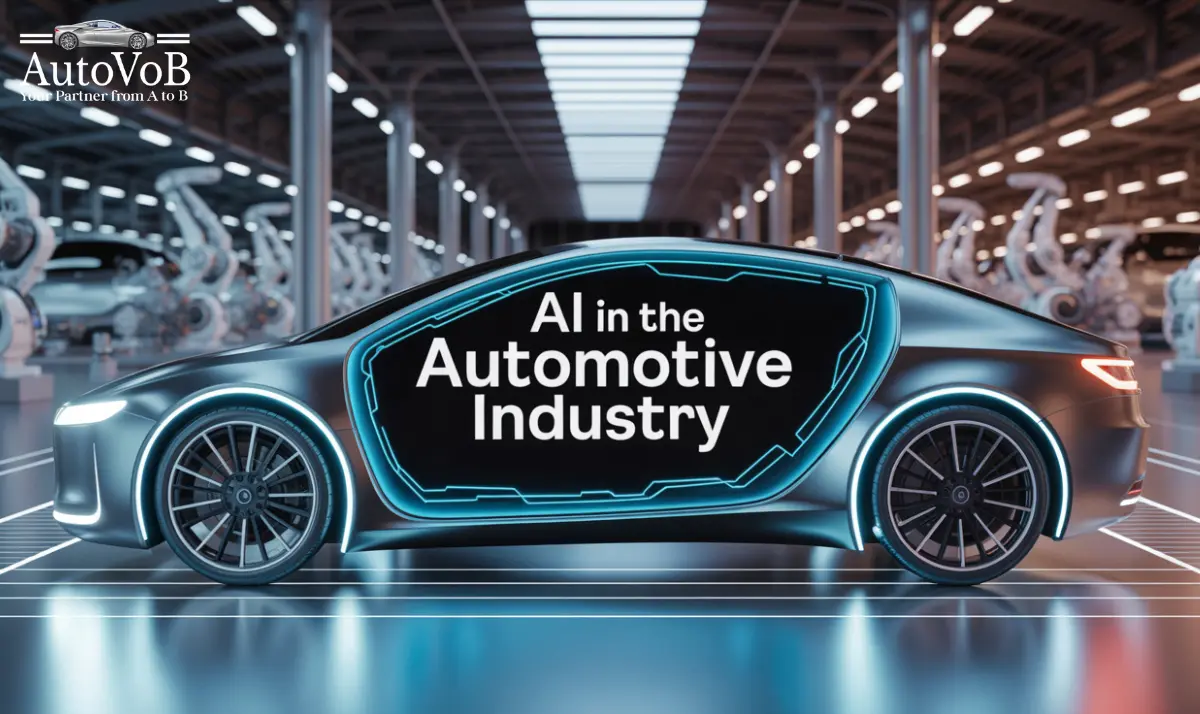
The automotive world is entering a new era, and AI in automotive industry innovation is turning out to be the key force behind much of the change. Its applications stretch from manufacturing lines to connected cars and predictive maintenance. These advances solve real problems, make drivers safer, and unlock smarter business decisions for automakers and car buyers alike. Let’s break it down and see what’s actually happening under the hood.
How AI is Transforming Automotive Manufacturing
Artificial intelligence is revolutionizing the way cars are built. Factories use machine learning and computer vision to spot defects on parts faster than any human ever could. Robots now work alongside people on assembly lines, learning from each production cycle and adjusting for variations in materials or specs. This isn’t just about speed, it’s about building better cars, wasting less, and keeping quality high. Predictive analytics powered by AI means that equipment gets serviced before it breaks, with fewer surprising holdups that slow down deliveries.
Smarter Cars: AI and the Road
Autonomous driving is probably the first thing that comes to mind for most people when they think about AI in automotive industry trends. It’s not just about self-driving vehicles, either. AI runs advanced driver-assistance systems (ADAS) that help with parking, lane-centering, adaptive cruise control, and emergency braking. Cars use sensors, cameras, radar, and lidar, all tied together by artificial intelligence to see the world and make snap decisions in traffic that reduce accidents and save lives. AI learns from real-world driving, constantly improving how these features work. It’s not science fiction; it’s happening in cars rolling out of factories right now.
In-Car Personalization and User Experience
AI also shapes how drivers and passengers interact with vehicles. Voice assistants in cars are smarter now, understanding natural language, adapting to accents, and linking up with phone apps, maps, and entertainment. It keeps figuring out preferences, like frequently visited destinations or favorite music, and tailors everything automatically. Even climate control can be personalized using sensors and AI, making trips more comfortable without a driver ever needing to adjust settings. This evolution shows how intelligent systems are improving comfort and convenience for every journey.
Predictive Maintenance: Reducing Downtime and Costs
Predictive maintenance tools powered by artificial intelligence analyze thousands of data points from sensors embedded right in the vehicle. Instead of waiting for a car to break down, AI models forecast when a component is likely to wear out and alert owners ahead of time. This means fewer surprise repairs and lower overall costs. Fleets, especially in logistics and ride-sharing, can keep their vehicles running longer and safer. These systems aren’t just for big companies; increasingly, everyday drivers benefit as automakers roll out remote diagnostics in mass-market cars.
Logistics, Supply Chains, and Car Dealerships
It isn’t just automakers and drivers who benefit from AI-powered transformation. Logistics firms use it to track vehicles, optimize delivery routes, and cut fuel use. Dealers use predictive tools to know which cars will sell best locally, when to offer discounts, and even what kind of after-sales service to pitch. Supply chains use real-time data, weather, and geopolitical insights to dodge disruptions. These changes make the business smoother, getting the right parts and vehicles to the right people at the right time.
AI and Electric Vehicles
Electric vehicles (EVs) give artificial intelligence even more room to grow. Batteries and power management can be optimized to improve range and lifespan. AI helps manage charging networks and balance grid demand, making EV ownership more practical for individuals and fleets. As EV adoption ramps up in markets like the Middle East and Asia, intelligent systems analyze driving patterns to suggest ideal charging times and locations. It’s another strong example of how AI in automotive industry progress is driving sustainability and efficiency across new vehicle technologies.
Challenges and Smart Solutions
Of course, these innovations come with challenges. Data privacy, ethical decision-making for self-driving systems, and cybersecurity risks demand deliberate choices, not just clever code. Companies need rock-solid testing, transparency in how algorithms make decisions, and clear ways for people to step in if needed. Insurance and regulation are still playing catch-up, leading to an ongoing conversation about what safe, reliable AI in cars should look like.
What This Means for Consumers and Industry Leaders
For consumers, the impact of artificial intelligence in the automotive space is already clear. Cars are safer, smarter, and more enjoyable to drive. Maintenance becomes less stressful. Information about the health of a vehicle is always at hand. For industry players, adopting AI isn’t just about following a trend. It means staying competitive, building trust, managing costs, and unlocking new market opportunities.
Also Read: How the Automotive Industry Is Transforming in 2026
Looking Ahead: AI Will Keep Driving Change
The use of AI in automotive industry ecosystems is still at an early stage, with bigger shifts on the horizon. Those who embrace this technology responsibly will help shape the industry for generations to come. The upshot? There’s never been a more exciting or unpredictable time to watch, buy, build, or drive a car. The next big leap might be just around the corner, steered by AI and by the people who choose to harness its real potential.