GPS Tracker for Car, How It Works and Why Drivers Need It
A gps tracker for car has become one of the most practical tools for anyone who wants better control over their vehicle. It improves safety, offers clarity about how the car is being used, and helps owners make better decisions. None of this comes from hype. It comes from simple, reliable technology that works quietly in the background. Let’s break it down, understand how these devices work, and explore why so many drivers are choosing them.
How a GPS Tracker for Car Works
A gps tracker for car uses signals from satellites that orbit the Earth. These satellites send constant time coded signals. The tracker inside your car receives them, calculates how long they took to reach it, and then uses that timing to determine your car’s exact location. This information is pushed to a cloud server using mobile data. The app on your phone or computer retrieves the data and shows it on a map.
What this really means is that you get near real time visibility of your car. You know where it is, how fast it is moving, and whether it has been parked for a long time. Many trackers go beyond location. They can track harsh braking, rapid acceleration, idling, and engine status. A car gps tracker becomes a small sensor that translates vehicle movement into useful insights.
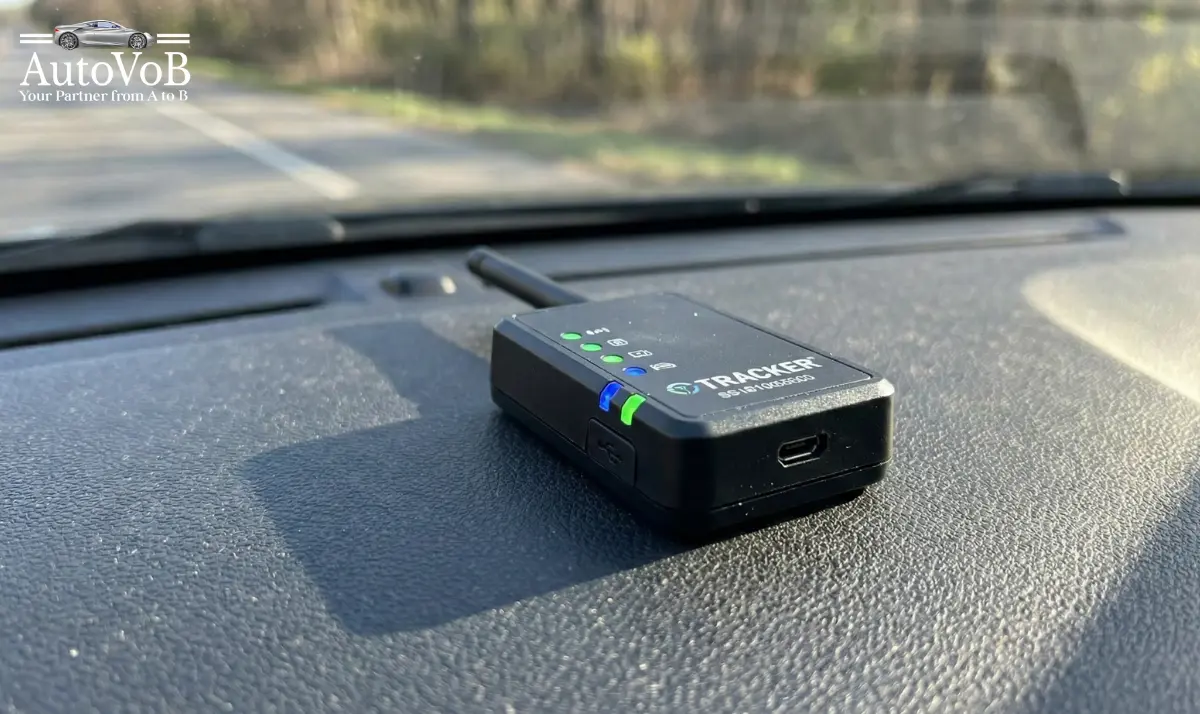
There are three common types of gps trackers. Plug in devices connect to the OBD port below the steering area. Wired trackers connect directly to the car battery and are usually hidden. Portable trackers run on their own internal battery and can be placed anywhere inside the cabin. Each type works on the same principle, but the installation and reliability vary. Wired trackers are harder to remove. Plug in ones are quick to use. Portable trackers offer flexibility.
People sometimes worry about battery drain. A wired tracker uses very little power, usually sleeping until it needs to send data. Plug in models are also designed to be efficient. Portable units rely on their internal battery which can last anywhere from days to months based on update frequency.
Accuracy also depends on the environment. Open roads give the best results. Tall buildings, tunnels, or dense forest can weaken signals, but good quality devices still manage consistent tracking.
Practical Uses of a Car GPS Tracker
Here’s the thing. A gps tracker is not just about watching a dot move on a map. It solves real problems that most car owners face.
The obvious use is theft recovery. If someone steals your car, locks and alarms only delay them. A tracker, once installed and hidden, keeps sending the location whether the thief knows about it or not. Many stolen cars get recovered quickly because the police receive exact coordinates. It shortens the search and increases the chances of getting your vehicle back.
Then there is trip monitoring. A car gps gives you detailed trip history. You can see routes taken, stops, speeds, and total distances over weeks or months. This helps you understand how the car is being used, where time is being lost, and which routes are more efficient. If you wonder why fuel is depleting faster or why certain trips take longer, the tracker often explains it.
A lot of families use gps trackers to stay informed, not to spy. If a teen or new driver takes the car, you can check whether they reached safely. Speed and harsh driving alerts help you understand how the car is being handled. You can talk about safety with real data, not assumptions.
For businesses, these trackers become part of fleet management. Managers can monitor multiple vehicles across cities, adjust routes, and reduce idle time. A car gps tracker helps prevent unauthorized detours and improves punctuality. Over time, these insights reduce fuel consumption, maintenance surprises, and delays. Many small and mid sized businesses rely on trackers because the savings add up.
Another use is geo fencing. You can mark specific zones on the map and receive alerts if the car enters or leaves these zones. This is useful for parents, business owners, or anyone who wants predictable movement. Some trackers also offer engine cutoff that can be activated during theft recovery. It should only be used when the car is stationary because cutting power while driving is unsafe.
Privacy matters too. If you install a tracker in your personal car, that is your choice. In a work environment, employees should be told. Clear communication keeps relationships healthy.
Also Read: Virtual Gear Shifting In Cars, What It Is And Why It Matters
Choosing the Right GPS Tracker for Car
Before buying a gps tracker for car, it helps to understand what features match your needs. Start with update frequency. Faster updates mean more accurate real time tracking, but they may consume more data. Check the app quality as well. A good tracker is only as useful as the app that displays the information.
Next, decide whether you want a plug in, wired, or portable device. If you prefer something discreet and hard to tamper with, a wired tracker is usually the best option. If you want something easy to install and remove, a plug in tracker is ideal. For occasional tracking or temporary use, portable models offer flexibility.
Look at alert options. Key alerts include movement, ignition on or off, speeding, towing, and geo fencing. These alerts turn your phone into a control panel for the vehicle. Consider accuracy, build quality, and resistance to heat or vibration because the inside of a car can get harsh during summers.
Subscription plans also matter because most trackers send data through mobile networks. Check whether the plan fits your usage. Some offer unlimited updates. Others limit the number of reports per day.
Here’s what this really means. You don’t need the most expensive tracker with every feature. You need the device that fits the way you use your car. A daily commuter has different needs than a business owner managing ten cars. Match the tracker to your lifestyle.
Once installed, the biggest change you notice is clarity. You know where your car is. You know how it was driven. You know the history of each route. Over time, that clarity becomes confidence. You stop worrying about uncertainty because the data answers your questions.
A gps tracker for car is not just a gadget. It is a practical tool that protects your investment, improves awareness, and gives you control. A small device paired with a simple app can change the way you interact with your vehicle. It brings transparency, safety, and smart decision making to your daily driving. And sometimes, that is exactly what you need.
A car gps tracker gives you that knowledge without complicating your routine. It works silently, sends accurate information, and helps you stay one step ahead. That is why more drivers are choosing to install one, not because it sounds impressive, but because it is genuinely useful.