Essential Tips to Improve Fuel Efficiency of Your Car in UAE
Driving in the UAE comes with its own set of conditions: extreme heat, long stretches of highways, and heavy city traffic. Fuel prices may fluctuate, but one fact remains consistent, efficient driving can save a significant amount of money over time. Improving fuel efficiency isn’t about quick fixes; it’s about applying simple, practical habits that make a measurable difference.
Here are some of the most effective ways to improve a car’s fuel efficiency in the UAE, explained in clear detail and backed by real automotive insight.
- Maintain the car regularly
A well-maintained vehicle runs more efficiently, that’s a fundamental truth. Regular servicing ensures that every component performs at its best.
- Engine and filters: Old engine oil, clogged air filters, or worn spark plugs make the engine work harder, leading to higher fuel consumption. For instance, automakers note that a malfunctioning oxygen sensor alone can cut fuel efficiency by up to 40%.
- Tyre pressure: Proper tyre inflation reduces rolling resistance, which directly affects how much fuel the engine burns. UAE-based sources highlight tyre pressure as one of the top maintenance checks for better mileage.
- Wheel alignment and suspension: Poor alignment and worn suspension parts add friction and resistance, which hurts efficiency over time.
In essence, every skipped service interval or neglected check-up quietly adds to the fuel bill.
- Adopt smooth and steady driving habits
Driving style has one of the biggest impacts on fuel economy. Aggressive acceleration, hard braking, and constant speed changes are silent fuel killers.
- Gradual acceleration: Smooth acceleration allows the engine to stay within its optimal efficiency range. Rapid bursts of speed burn fuel unnecessarily.
- Steady cruising: Using cruise control on open highways in the UAE helps maintain a constant speed, reducing fuel waste. Constantly fluctuating speeds consume more fuel than steady driving.
- Anticipating traffic: Reading the road ahead and easing off the accelerator early, instead of braking hard, can improve efficiency over time.
As multiple UAE-based car experts point out, smoother driving not only reduces fuel use but also extends the life of brake pads and tyres.
- Use air conditioning and aerodynamics wisely
In the UAE’s intense heat, air-conditioning is non-negotiable, but excessive use comes at a cost. The compressor draws energy from the engine, which increases fuel consumption.
- Moderate AC usage: Set the temperature just cool enough for comfort instead of constantly blasting the system at maximum levels.
- Windows and airflow: At high speeds, keeping windows rolled down increases aerodynamic drag, which hurts efficiency. On highways, closed windows and moderate AC are more efficient than driving with open windows.
- Remove unnecessary attachments: Roof racks, cargo boxes, and unused accessories increase drag. Removing them when not needed improves aerodynamics and helps save fuel.
Fuel efficiency isn’t about sacrificing comfort; it’s about balancing performance and practicality.
- Minimize unnecessary weight
Every extra kilogram a car carries requires additional fuel to move it. This is especially important for vehicles used for daily commuting in the UAE’s urban areas.
- Declutter the boot: Unused tools, sports equipment, and luggage can add up quickly. Removing them lightens the load and reduces fuel consumption.
- Avoid overfilling the tank: Consistently topping off the fuel tank to the brim adds weight that provides no benefit.
- Transport only what’s necessary: For city driving, lighter cars deliver better mileage.
As UAE automotive service centers often emphasize, reducing vehicle weight is one of the simplest ways to improve efficiency without spending a dirham.
- Check tyre pressure and alignment regularly
This point deserves separate mention because tyres directly affect a vehicle’s rolling resistance, a major factor in fuel use.
- Tyre pressure: In the UAE’s high temperatures, tyre pressure changes more rapidly. Underinflated tyres require more energy to roll, while overinflated ones reduce traction and comfort. Checking tyre pressure monthly is recommended.
- Wheel alignment: Misaligned wheels make the car pull slightly to one side, forcing the driver to correct steering constantly. This wastes both fuel and tyre life.
- Timing: Tyres should be checked when they’re “cold”, ideally before long drives or after the car has been parked, to get accurate readings.
Simple tyre care translates into meaningful savings on both fuel and maintenance.
- Limit idling and plan trips efficiently
Idling consumes fuel without moving the car, which is pure waste. In the UAE’s hot climate, idling is common, especially while waiting with the AC on, but it should be minimized.
- Avoid prolonged idling: If the stop lasts longer than a minute or two, switching off the engine can save fuel.
- Combine errands: Planning multiple stops in a single trip keeps the engine warm and avoids repeated cold starts, which are less efficient.
- Choose smarter routes: Using navigation apps that account for traffic congestion helps minimize stop-and-go driving, which drains fuel.
The logic is simple: fuel should move the car forward, not keep it stationary.
- Maintain optimal driving speeds
Driving at high speeds might feel efficient timewise, but it’s rarely efficient fuelwise. Air resistance grows exponentially with speed, which means the engine must work harder.
- Stay near the efficiency zone: Most vehicles reach their peak fuel economy between 70 and 90 km/h. Beyond that, consumption increases sharply.
- Avoid unnecessary high-speed runs: On UAE highways with limits up to 140 km/h, moderating speed slightly can result in noticeable savings over long distances.
- Use cruise control when suitable: Maintaining steady speed on highways reduces surging and braking, leading to better overall mileage.
Even a small reduction in average speed can translate into a visible difference in fuel economy.
- Choose efficient fuel and technology
Fuel efficiency starts with using the right fuel and continues with choosing technology that fits one’s driving habits.
- Use the recommended fuel grade: Using premium fuel in a car designed for regular petrol does not improve mileage; it only increases cost.
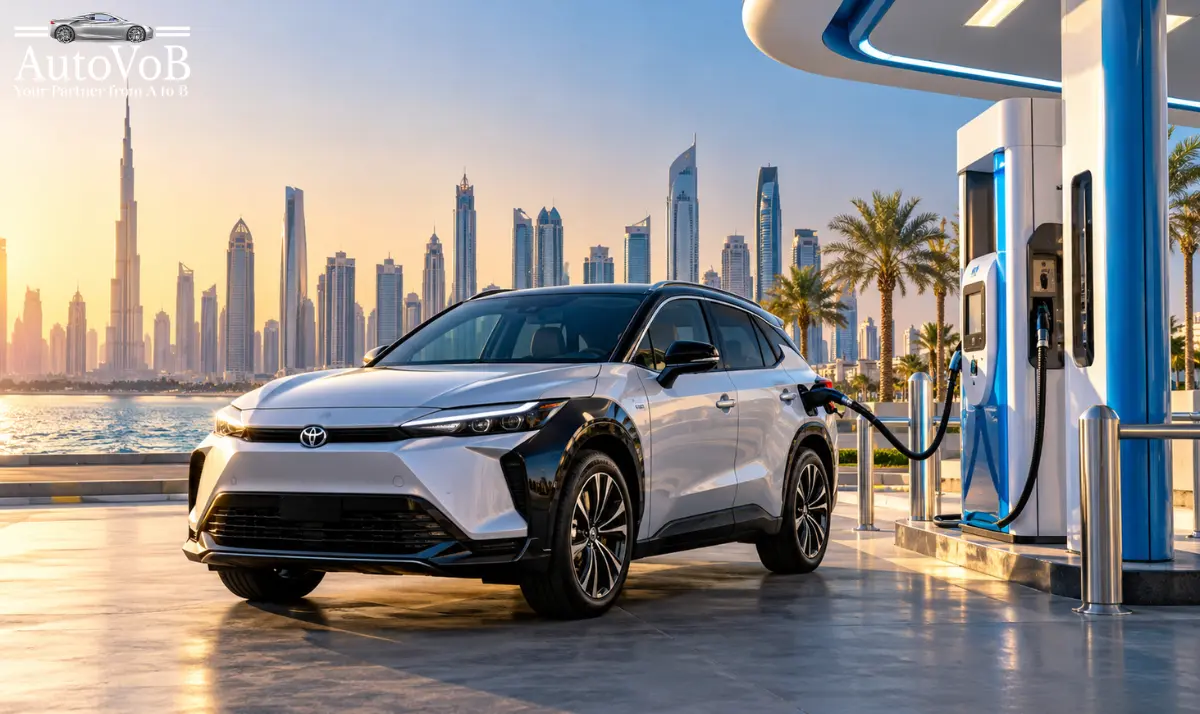
- Opt for hybrid or electric options when possible: Many UAE car owners are shifting toward hybrids or EVs for daily commuting, where long-term fuel savings justify the investment.
- Activate eco modes: Most modern vehicles come with economy driving modes that adjust throttle response and AC load for better mileage.
Choosing wisely at the fuel pump or in the showroom can yield lasting benefits.
Also Read: Latest Car Safety Features in the UAE Explained
Final thoughts
Improving fuel efficiency in the UAE is not about drastic changes; it’s about consistent habits. A well-maintained car, steady driving, correct tyre pressure, smart use of air-conditioning, reduced load, and less idling, all these add up to real savings.
The UAE’s combination of long highway drives, hot weather, and urban congestion amplifies fuel waste for careless drivers. Those who take a mindful approach notice longer distances between refills and smoother, more economical performance.
The takeaway is simple: efficient driving is a skill, not a shortcut. With small but intentional changes, every driver in the UAE can extend their fuel mileage and keep more of their dirhams in their pocket.