Latest Car Safety Features in the UAE Explained
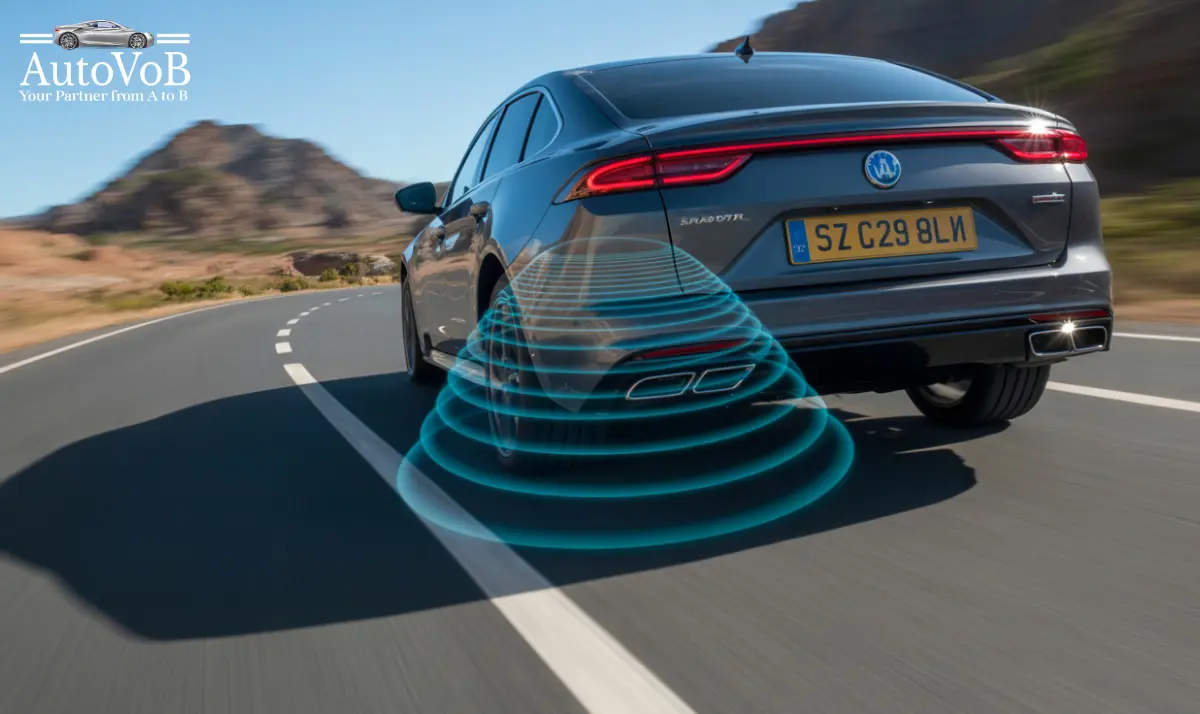
From smarter sensors to advanced braking systems, car safety features in the UAE have come a long way in recent years. Understanding how these technologies work and why they matter can help you choose a safer vehicle and make better decisions on the road, whether you’re planning your next upgrade or simply want to drive with more confidence. Let’s have a look at these features in detail:
Essential Overview: Car Safety Features in the UAE
While the global auto industry keeps pushing boundaries, the UAE landscape brings its own unique mix of challenges, including high-speed highways, sandstorms, and a remarkably diverse driving population. What this really means is that the latest car safety features in the UAE do more than just protect against collisions. They’re designed to help drivers handle visibility drops, sudden road hazards, and unpredictable behavior around them, all while aligning with new government safety standards.
Adaptive Cruise Control and Distance Management
Here’s the thing: speed management isn’t just about not breaking the law. Adaptive Cruise Control (ACC) employs sensors and radar to keep a consistent gap between the car and the vehicle ahead. Instead of slamming the brakes or fretting in bumper-to-bumper traffic, this feature gently handles that workload. Not only does it reduce driver fatigue, but it also helps prevent common rear-end accidents, especially on the multi-lane highways of Dubai and Abu Dhabi.
Automatic Emergency Braking and Collision Prevention
Automatic Emergency Braking (AEB) takes collision avoidance to another level. The system constantly scans for potential risks with cameras and sensors. If it senses an imminent impact and the driver hesitates, the car initiates braking by itself. This instant response can mean the difference between a close call and a costly accident. The best part: as more mid-range cars include this feature, advanced crash avoidance is no longer reserved for luxury models.
Blind Spot Detection and Rear Cross Traffic Alert
Changing lanes without checking blind spots can be risky, especially in busy UAE traffic. Blind Spot Detection leverages sensors to warn drivers about vehicles lurking outside their mirror’s reach. Pair this with Rear Cross Traffic Alert, which signals when reversing out of parking spots, and it’s a double layer of protection each time the car moves laterally. Any driver in Sharjah or Dubai’s crowded malls knows how vital these alerts can be.
Lane Departure Warnings and Active Lane Keeping
Drifting out of a lane can happen to anyone, whether due to distraction or just long-haul fatigue. Lane Departure Warning systems monitor the vehicle’s position and alert the driver whenever there’s unintended lane movement. Lane Keeping Assist then subtly corrects the steering, helping the car stay centered. The real win here is that these features give a gentle nudge before a mistake becomes a crisis, particularly useful for those late-night or desert journeys.
Enhanced Airbags and Structural Reinforcement
Airbags have come a long way from basic driver and passenger models. Newer vehicles in the UAE now offer side-curtain airbags, knee airbags, and advanced deployment algorithms that adapt protection based on collision type and passenger size. Add reinforced passenger cabins and crumple zones, engineered to absorb impact energy, and the result is a safer environment even in serious crashes.
360-Degree Camera Systems and Parking Assistance
Complex parking scenarios and tight urban spaces are regular occurrences across the Emirates. 360-degree cameras give a full bird’s-eye view around the vehicle, reducing the stress, and minor scrapes, of parallel or blind-spot parking. Advanced sensors can even guide the car into parking spots autonomously, making it easy for both seasoned drivers and newcomers to avoid prangs and dents in crowded spaces.
Sandstorm-Ready Features Unique to the UAE
Here’s something unique: sandstorms are a regular issue, so new models feature advanced air filtration and climate control systems that keep fine dust and allergens out of the cabin. Certain premium models also include thermal cameras and adjusted headlight beams for driving in low-visibility sandstorms, helping detect road hazards, even stray camels, before disaster strikes.
Cabin Protection and Health-Focused Tech
Breathing clean air isn’t just a comfort. Advanced three-stage air filtration, combining pre-filters for sand, electrostatic layers for tiny particulates, and carbon filters for harmful gases, ensures passengers remain comfortable and healthy, even during outdoor alerts for dust or high pollution.
Smart Suspension and Real-Time Road Monitoring
New laws in the UAE require vehicles to pass stricter safety inspections and mandate up-to-standard suspension systems. This is because faulty suspension doesn’t just mean a bumpy ride, it can actually make the car difficult to control in evasive maneuvers. Real-time onboard diagnostics and even some government roadside monitors now flag vehicles that are unsafe, with penalties issued for neglected maintenance.
Artificial Intelligence and Hazard Prediction
AI is increasingly integrated into modern safety suites. These systems can process massive volumes of real-time data, predicting everything from shifting sand dunes to the likelihood of pedestrian movement. For fleet operators, predictive analytics improve scheduling, route safety, and accident prevention, which then trickles down into safer roads for everyone.
Growing Support for Advanced Driver-Assistance Systems (ADAS)
Consumer demand for safety features has never been higher, especially as families and businesses see the long-term value these systems bring. ADAS, which includes a suite of protective tools like Forward Collision Warning, Lane Keeping, and Intelligent Speed Assistance, is moving from an optional extra to an expected standard. Even entry-level cars now carry at least some ADAS features, making advanced safety accessible to a broader segment of the UAE’s population.
Stricter Laws and Governmental Oversight
The UAE government isn’t holding back: there are new rules for regular vehicle checks, mandatory inspections for all safety systems, and fines for failing to keep cars roadworthy. The 2025 Federal Decree-Law lowered the driving age to 17, but only with proof of proper driver training and full adherence to these safety regulations. Vehicles with outdated or malfunctioning systems face penalties or impoundment during registration renewal.
Also Read: Car Accident History in UAE: What Buyers Must Know
The Takeaway
Car safety features in the UAE are evolving quickly, and with good reason. As more advanced technology makes its way into showrooms, drivers get more than just peace of mind. There’s tangible protection against the most common hazards on local roads, along with added comfort and less driving stress. In the end, staying up to date with these features isn’t about keeping up with a trend. It’s about maximizing safety for every trip, every passenger, and every road condition across the Emirates.