Electric Cars in Saudi Arabia: A New Era of Mobility
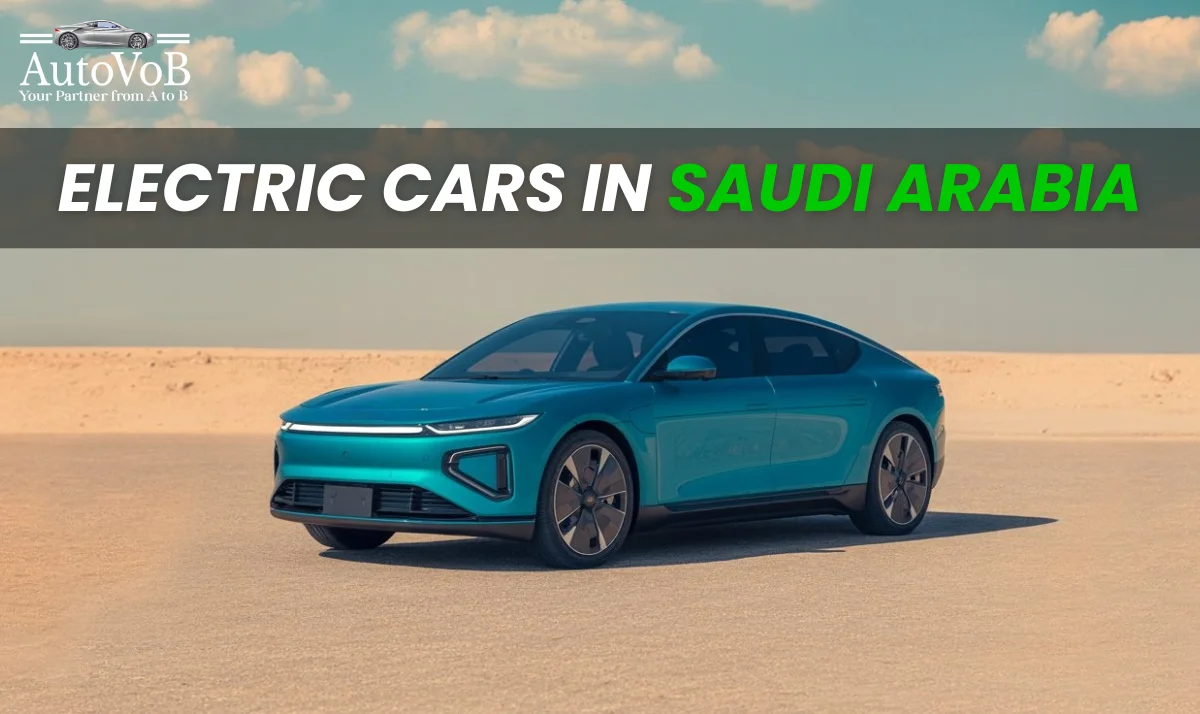
Electric cars are no longer a distant idea in the Kingdom—they are here, and they’re shaping the way Saudis think about driving, industry, and the environment. The rise of electric cars in Saudi Arabia is tied to major government initiatives, new local brands, global partnerships, and a growing recognition of the environmental benefits. Let’s break down what this shift really means and where it’s heading.
The Push from National Initiatives
Saudi Arabia’s commitment to sustainability isn’t just talk. The Saudi Green Initiative and the Middle East Green Initiative are core parts of Vision 2030. These programs aim to reduce carbon emissions, improve air quality, and diversify energy sources.
What this really means for the auto industry is a direct push toward electrification. The government isn’t just promoting renewables for power generation, it’s also laying the groundwork for a transport system that moves away from oil dependency. By linking national pride with cleaner mobility, these initiatives make electric cars in Saudi Arabia more than just an option—they’re becoming a strategic priority.
Ceer: The First Saudi EV Brand
One of the most exciting developments is the launch of Ceer, Saudi Arabia’s first homegrown electric vehicle brand. Backed by the Public Investment Fund (PIF), Ceer is expected to roll out cars designed and built locally. For the Kingdom, this is more than a car company—it’s a symbol of self-reliance and a statement that Saudi Arabia is ready to compete in the global EV market.
Ceer’s partnership with Foxconn (the Taiwanese electronics giant best known for assembling iPhones) shows how serious the project is. Foxconn brings advanced electronics expertise, while Saudi capital and vision drive the brand forward. The combination could put Ceer on the global map, not just in the Gulf.
Collaborations with Global Manufacturers
Saudi Arabia is not building this industry alone. Strategic partnerships are central to how the Kingdom is positioning itself. The collaboration with Hyundai to explore EV manufacturing is one example. These joint ventures do more than assemble cars—they transfer technology, train local workers, and expand the knowledge base inside the country.
This collaborative model helps Saudi Arabia shorten the learning curve. Instead of waiting decades to catch up, the Kingdom is bringing in global players who already understand the EV game. It’s a smart approach that blends local ambition with international know-how.
Entry of Global EV Players
At the same time, established global automakers are entering the Saudi market. Brands like BYD, Tesla, Nissan, and BMW are expanding their presence, offering Saudis more choices than ever.
- Tesla represents the global face of EVs and appeals to early adopters looking for performance and tech-driven design.
- BYD, now one of the world’s largest EV manufacturers, is eyeing the Kingdom as a key Middle Eastern market thanks to its affordable and reliable range.
- Nissan has already tested electric models in other regions and could adapt its popular Leaf to local demand.
- BMW is targeting luxury buyers who want sustainability without giving up comfort or prestige.
What this mix shows is that electric cars in Saudi Arabia won’t be confined to one segment. From affordable city cars to luxury SUVs, the market is preparing to serve a wide range of buyers.
Environmental Impact
Saudi Arabia has historically been tied to oil production, but that doesn’t mean it can’t lead on clean technology. Shifting to EVs reduces tailpipe emissions, cuts down air pollution in cities, and supports the larger goals of the Saudi Green Initiative.
There’s another layer here. EV adoption also links with the Kingdom’s renewable energy plans. As more solar and wind projects come online, the electricity that powers EVs will itself become cleaner. So the environmental impact isn’t just about reducing gasoline use—it’s about creating a loop where clean energy fuels clean transportation.
That said, EV adoption brings challenges too. Charging infrastructure has to grow rapidly, batteries require raw materials, and consumer habits need to shift. But these are exactly the areas where government support and global partnerships can make a difference.
Market Potential and Consumer Adoption
So, what does the future look like? Market studies suggest Saudi Arabia could become one of the largest EV hubs in the Middle East. With a young population, high purchasing power, and government incentives, the environment is favorable.
Here’s the thing: adoption depends on practicality. Saudis will embrace EVs if they’re affordable, convenient to charge, and reliable in desert conditions. This is why partnerships with companies like Hyundai and Foxconn matter. They’re not just bringing cars; they’re adapting technology to suit local needs.
The Road Ahead
The shift to electric cars in Saudi Arabia isn’t happening overnight, but the trajectory is clear. Local brands like Ceer are building pride and jobs. Partnerships with Hyundai and Foxconn are accelerating industrial expertise. Global players like Tesla, BYD, Nissan, and BMW are expanding consumer choice. And all of it is tied back to national programs like the Saudi Green Initiative that redefine how the Kingdom approaches energy and mobility.
What this really means is that the car market in Saudi Arabia is being rewritten in real time. For buyers, it’s about more than choosing a vehicle—it’s about stepping into a future that combines technology, sustainability, and national ambition.
Also Read: Electric Cars in UAE: What You Need to Know
Final Thoughts
The rise of electric cars in Saudi Arabia is not just about cleaner driving. It’s about economic diversification, industrial leadership, and global positioning. The Kingdom is signaling that it wants to be more than an oil exporter; it wants to be a leader in the industries shaping the future.
Whether you’re a driver considering your first EV, an investor watching the market, or someone simply curious about the country’s vision, one thing is clear: Saudi Arabia’s journey into electric mobility has already started, and it’s moving faster than many expected.