Commercial Vehicles in Saudi Arabia: Market & Buying
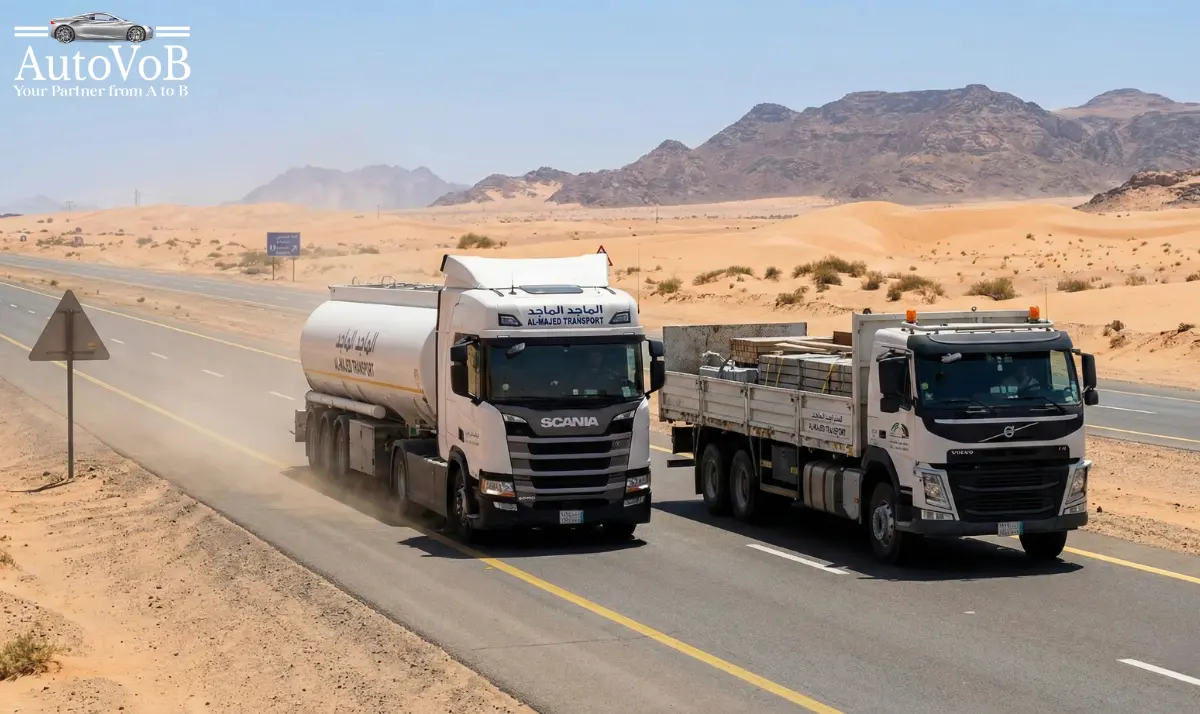
If you are looking at commercial vehicles in Saudi Arabia, you are stepping into a market that is big, growing, and tightly linked to Vision 2030 projects, logistics growth, and e‑commerce. What this really means is there is demand across the board: from light vans doing last‑mile delivery to heavy trucks and earthmoving machines working on mega construction sites.
Why Commercial Vehicles Matter Now
Saudi Arabia is investing heavily in infrastructure, logistics, and new economic zones, and that is pulling the entire commercial vehicle segment upward. Recent market studies estimate the commercial vehicle market size at around 7–8 billion USD in the mid‑2020s, with growth continuing through 2030 on the back of fleet upgrades and new projects.
Here’s the thing: the Kingdom wants to become a key logistics hub linking Asia, Africa, and Europe, so the National Transport and Logistics Strategy is pushing hard on roads, ports, and intermodal connections. As more logistics centers, industrial zones, and giga projects go live, operators need more trucks, vans, and heavy machinery just to keep materials and goods flowing.
Key Segments: Trucks, Vans, And Buses
The heart of commercial vehicles in Saudi Arabia is still made up of trucks, vans, and buses serving construction, logistics, and public transport. Market data shows that light commercial vehicles, especially pickups and vans, account for the largest share of units, while heavy vehicles above 16 tons are posting the fastest growth thanks to mega construction and bulk haulage.
Let’s break it down by segment:
- Light commercial vehicles (LCVs): Pickups and panel vans up to 3.5 tons dominate urban deliveries, pharma runs, bakery routes, and SME logistics, with light pickups alone taking over 40 percent of body‑type share in recent analyses.
- Medium and heavy trucks: Trucks above 16 tons are growing at the highest rates, driven by materials for giga projects, mining, and long‑haul freight between ports, industrial zones, and inland cities.
- Buses and people movers: As cities expand and public transport improves, demand for buses and minibuses grows for staff transport, schools, and intercity routes, adding another layer to the commercial vehicle mix.
For buyers, that means a wide spread of options, whether the goal is a small fleet of city vans or a heavy‑duty long‑haul truck line‑up.
Heavy Equipment And Construction Demand
If you are watching heavy equipment for sale in saudi arabia, your timing lines up with a construction equipment market that is expanding steadily. Forecasts suggest the construction equipment sector will grow from around 37,000 units in 2024 to more than 52,000 units by 2030, with a compound annual growth rate close to 6 percent.
Earthmoving machines such as excavators, bulldozers, and loaders take the largest share, driven by land preparation, infrastructure upgrades, and utility corridors. At the same time, demand for cranes, concrete machinery, and material‑handling equipment is rising due to port expansions, logistics parks, and vertically built mixed‑use projects.
Here’s what this really means if you are in the market:
- Contractors are cycling equipment faster because projects are larger, more time‑bound, and run at higher utilization rates.
- Ports such as Jeddah Islamic Port are investing hundreds of millions of dollars into container capacity, which in turn increases demand for yard equipment, reach stackers, and support trucks.
- Used and rental heavy equipment remain attractive for smaller contractors that want access to modern machinery without locking too much capital into ownership.
Logistics, E‑commerce, And Fleet Modernization
Commercial vehicles in Saudi Arabia are not just about concrete and steel; they are also about parcels, food, and fast‑moving consumer goods moving across the country every day. Logistics and distribution applications account for more than 40 percent of commercial vehicle spending, reflecting the growth of e‑commerce, organized retail, and national logistics corridors.
The government’s vision to create dozens of logistics centers covering around 100 million square meters is already reshaping how goods move, especially around ports like Jeddah and Dammam. These hubs rely on tractors and trailers running precise schedules, often equipped with telematics and fleet management systems to handle just‑in‑time deliveries.
For fleet operators and business buyers, a few trends are worth paying attention to:
- Shift to fuel‑efficient and lower‑emission models as tighter inspection and emission rules kick in, encouraging retirement of older vehicles.
- Rising adoption of connected features, from GPS tracking to remote diagnostics, especially in long‑haul trucks and high‑utilization delivery vans.
- Ongoing fleet modernization programs in sectors like oil and gas, mining, and large construction, which often specify newer platforms with stronger cooling and payload performance for desert conditions.
Also Read: Vehicle Modification Rules in Saudi Arabia: A Complete Guide
Practical Buying Tips For Saudi Buyers
If you are actually shopping for commercial vehicles in Saudi Arabia, the market data is useful, but what you really need is a clear buying approach. The right choice depends on application, route profile, climate, and your replacement cycle.
Here’s a simple way to think about it:
- Define the core job: Short‑distance urban delivery, intercity freight, construction material haulage, or site work with heavy equipment all demand different specs and tonnage classes.
- Match vehicle class to utilization: Light vans and pickups fit high‑frequency, short‑route jobs, while heavy trucks and trailers make more sense for long‑haul or bulk materials.
- Factor in regulations and inspections: Newer vehicles often help with compliance on safety, emissions, and periodic inspections, especially as standards tighten under national transport strategies.
- Compare total cost, not just price: Fuel consumption, maintenance intervals, parts availability, and resale value can easily offset a higher upfront sticker in Saudi operating conditions.
- Consider dealer network and service coverage: With projects spread across regions, a strong service footprint matters as much as the spec sheet, especially for fleets operating near ports, remote construction sites, or mining areas.
If you keep those points in focus, you are less likely to get stuck with the wrong vehicle class or an under‑supported brand. In a market where both demand and expectations are rising, smart buyers treat commercial vehicles in Saudi Arabia as long‑term productivity assets, not just metal on wheels.