Vehicle Modification Rules in Saudi Arabia: A Complete Guide
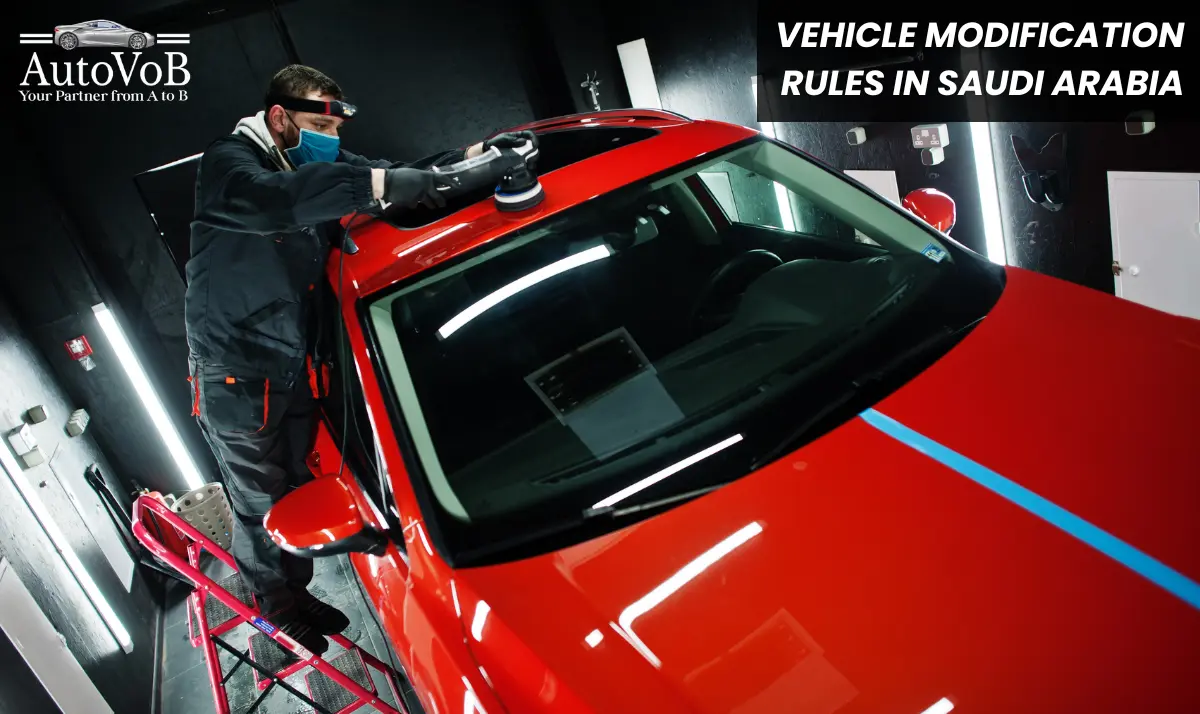
If you’re considering tuning your car or personalizing it in Saudi Arabia, here’s the thing, there’s a concrete set of vehicle modification rules in Saudi Arabia you need to understand before swapping out anything under the hood or on the body. Regulations are strict, and knowing what’s legal (and what definitely isn’t) keeps your vehicle compliant, safe, and out of trouble with Muroor, SASO, or the police.
Why Vehicle Modification Rules Exist
Let’s break it down, vehicle modification rules in Saudi Arabia exist to protect safety, reduce environmental shock, and uphold technical standards that keep the country’s roads predictable. Every new rule or update typically ties back to the SASO (Saudi Standards, Metrology and Quality Organization) regulations and the Technical Regulation for Modified Vehicles and Limited Production Models. These rules are not suggestions, they’re enforced for all light vehicles under 3,500 kg and are grounded in up-to-date, internationally recognized standards.
What Counts as a Modification?
Here’s what really matters: modification means anything that alters engine power, suspension, body structure, lights, sound, wheels, or even car color. Even changing a car’s entertainment system or installing custom rims can demand official approval. There’s no shortcut; every visible and performance-impacting tweak generally falls under the law’s microscope.
Legal Modifications: What’s Okay?
There are legal avenues for individual flair, but stick to these frameworks:
- Cosmetic changes: Think new rims, standard spoilers, basic LED lighting, and tasteful paint jobs, allowed with official approval, as long as they do not block license plates or critical lights.
- Audio and interior upgrades: New upholstery, screens, or alarm systems are usually fine. Loud sound systems, however, need to stay within the 90 dB noise limit.
- Color changes: Want a bold new car wrap or a paint job? Any color change or wrap must be registered and approved by authorities, typically Muroor, before you hit the road.
- Wheels and tires: Modifications to wheels and rims are allowed as long as factory load and dimension ratings are maintained and there’s zero tire-body contact when moving.
What this really means is: if your change can affect safety, visibility, or emissions, it comes with more rules and paperwork. Minor trims or entertainment upgrades that don’t impact core systems have an easier path, but ask first, don't guess.
Off-Limits: What Will Get You in Trouble
If you’re angling for bigger, flashier modifications, pay attention. Here’s what’s tightly regulated or outright forbidden unless specifically approved and certified:
- Performance mods: Turbochargers, engine remapping, or nitrous systems need extensive certification and can seriously raise your insurance premiums, too.
- Suspension: Lowering or drastically altering suspension is regulated because it directly affects handling and ground clearance.
- Exhaust: Custom or loud pipes above legal dB thresholds attract penalties and can even void insurance.
- External bodywork: Extreme body kits, big spoilers, or structural frame changes that impact crash safety won’t get a green light without documented approval and safety checks.
Attempts to bypass the system, with illegal engine swaps, manipulated odometers, or tampered bumpers, risk car impoundment, big fines, and trouble in future insurance claims.
The Approval and Inspection Process
No modification is truly legal until it’s inspected and rubber-stamped by a certified authority. Here’s the real journey:
- Submit Plans to Authorities: If you’re eyeing any modification that impacts the car’s look or performance, fill out the official paperwork with Muroor or through authorized SASO channels.
- Certified Workshops Only: All work must be done by a SASO-registered or certified garage, not at just any shop. These centers are familiar with exact regulations and ensure everything meets Saudi, and GCC, safety standards.
- Inspection and Documentation: After modification, the car undergoes rigorous checks. Inspectors look at technical data, confirm conformity to standards, and verify all changes against original vehicle specs. Emissions, noise, and roadworthiness are non-negotiable tests.
- Approval Certificates: Only after passing these checks do you get the certificate of conformity, necessary for updating your registration and protecting yourself from penalties.
- Registry Update: You must update your car’s details with the authorities. For color changes, for instance, your new color must show on registration within 15 days of modification.
Impact on Car Insurance
Here’s a key point often overlooked: your car insurance can be instantly affected by unauthorized or undisclosed modifications. If you don’t tell your insurer about a turbo install or wild new custom paint, your claim could get rejected after an accident or theft. Insurance companies in Saudi Arabia reserve the right to void coverage if unauthorized or undeclared modifications are found.
For legal mods, always update your insurance details and (ideally) shop around for specialized insurers who cater to modified vehicles. This keeps your policy valid, and you, financially protected.
What Happens If You Break the Rules?
Ignoring vehicle modification rules in Saudi Arabia is a fast track to trouble:
- Fines from 300 to 1,000 SAR per offense
- Vehicle impoundment until the modification is reversed or properly documented
- Immediate rejection of car insurance claims
- In extreme or repeat cases, criminal penalties or legal action under anti-commercial fraud laws
Regulators take these non-conformities seriously for reasons of safety and public trust. All modifications are traceable and must be reversed at the violator’s expense if found illegal.
Penalties and Enforcement: Zero Room for Error
Enforcement isn’t just a paper tiger, either. Saudi police often run road checks targeting obvious body kits, window tint violations, and exhaust systems. Workshops that operate outside of licensed channels face closure, while violators risk losing more than just a fine, entire vehicles can be seized.
Staying Compliant: Your Pro Checklist
To close it out, here’s what keeps you on the right side of the law:
- Always check the latest rules with Muroor or SASO before any change
- Use only SASO-certified workshops for modification work
- Keep all receipts, installation documents, and inspection certificates
- Immediately update your registration and insurance after every major mod
- Remember: legal compliance protects your car, your wallet, and your life on the road
Also Read: How to Renew Vehicle Registration in KSA
Vehicle modification rules in Saudi Arabia are strict for one reason: safety and accountability. If you follow the right process, you get to personalize your car within the boundaries of community safety standards, while still standing out on the roads.
FAQs
1. What is considered a vehicle modification in Saudi Arabia?
Any change that affects a vehicle’s engine, suspension, body structure, lights, sound, wheels, or even color is considered a modification. This includes both performance upgrades and cosmetic changes, and most require official approval.
2. Are cosmetic modifications like rims and paint jobs allowed?
Yes, cosmetic changes such as rims, spoilers, LED lighting, and paint jobs are allowed, but they must be approved by authorities. They should not block license plates, lights, or compromise safety.
3. Do I need approval for changing my car’s color?
Yes, any color change or vehicle wrap must be approved and updated in your registration. You typically need to inform authorities and complete the update within a specified time frame.
4. Can performance upgrades like turbochargers or exhaust systems be installed?
Performance modifications such as turbochargers, engine remapping, or loud exhaust systems are strictly regulated. They require certification and approval, and exceeding legal limits can lead to penalties.
5. What happens if I modify my car without approval?
Unauthorized modifications can result in fines, vehicle impoundment, and insurance claim rejection. In serious cases, legal action may also be taken, and the vehicle must be restored to its original condition.
For more such informative blogs, keep following AutoVoB blogs