Car Wheel Alignment, Why It Matters and When to Fix It
Cars depend on precise mechanical balance to run smoothly. One small misalignment can affect how the vehicle handles, how quickly tires wear out, and even how much fuel the car consumes. That is where car wheel alignment becomes important.
Many drivers ignore alignment until their steering starts pulling to one side or the tires wear unevenly. By then, the damage has already started. Understanding how alignment works helps you maintain your car better and avoid unnecessary expenses.
Let’s break it down in a simple way.
What Is Wheel Alignment?
Wheel alignment refers to adjusting the angles of the wheels so they match the manufacturer’s specifications. These adjustments ensure that all four wheels point in the correct direction and stay properly connected with the road surface.
The process does not involve changing the tires or wheels themselves. Instead, technicians adjust the suspension system, which is the structure connecting the vehicle to its wheels.
Proper wheel alignment ensures:
- Straight steering
- Balanced tire wear
- Better handling
- Improved fuel efficiency
When alignment is correct, the car drives smoothly without pulling left or right.
Understanding Car Wheel Alignment
Car wheel alignment is all about three key angles. These angles determine how the tires touch the road and how the vehicle behaves while driving.
Camber
Camber describes the inward or outward tilt of the wheel when viewed from the front of the car.
If the top of the wheel tilts inward, it is called negative camber. If it tilts outward, it is positive camber.
Too much camber leads to uneven tire wear. One side of the tire will wear faster than the other.
Toe
Toe refers to the direction the tires point relative to each other.
If the front of the tires points inward, it is called toe-in. If they point outward, it is toe-out.
Incorrect toe alignment often causes rapid tire wear and unstable steering.
Caster
Caster is the angle of the steering axis when viewed from the side of the vehicle.
Positive caster improves straight line stability and steering control. Incorrect caster can make steering feel either too loose or too stiff.
Together, these three angles determine whether the car tracks properly on the road.
Why Wheel Alignment Is Important
Ignoring alignment problems can create several issues over time. Many drivers assume alignment only affects steering, but the impact goes much deeper.
Tire Life
Misaligned wheels cause uneven pressure on the tire surface. Instead of wearing evenly, certain areas wear faster.
This can reduce tire life by thousands of kilometers.
Fuel Efficiency
When wheels are not aligned properly, the tires create more resistance against the road. The engine must work harder to move the vehicle.
That means more fuel consumption.
Better Handling
Proper car wheel alignment ensures the steering wheel stays centered and the vehicle responds predictably to driver input.
Poor alignment can make the car feel unstable, especially at higher speeds.
Safer Driving
Alignment affects braking stability and overall control. A vehicle that pulls to one side can become harder to control during sudden stops or emergency maneuvers.
Signs Your Car Needs Wheel Alignment
Many vehicles slowly drift out of alignment due to road conditions, potholes, or curb impacts. Recognizing the warning signs early can prevent bigger problems.
Vehicle Pulls to One Side
If the steering wheel is straight but the car drifts left or right, alignment is likely off.
Uneven Tire Wear
Check your tires regularly. If one side of the tread is more worn than the other, misalignment could be the cause.
Crooked Steering Wheel
When driving straight, the steering wheel should sit centered. If it tilts slightly to one side, the wheels may be misaligned.
Vibrations While Driving
Sometimes vibrations in the steering wheel indicate alignment or balancing issues.
Difference Between Wheel Alignment and Balancing
Many people confuse these two services. They both involve wheels and tires, but they solve different problems.
Understanding the difference between wheel alignment and balancing helps drivers know which service they actually need.
Wheel Alignment
Alignment focuses on adjusting the wheel angles so the tires meet the road correctly.
It involves the suspension system and steering components. Alignment ensures the vehicle drives straight and tires wear evenly.
Wheel Balancing
Balancing focuses on the weight distribution of the tire and wheel assembly.
Technicians attach small weights to the wheel to ensure it spins evenly. This prevents vibrations at higher speeds.
Key Difference
Alignment corrects direction and angles.
Balancing corrects weight distribution.
Both are important for smooth driving, but they address different mechanical issues.
How Wheel Alignment Is Performed
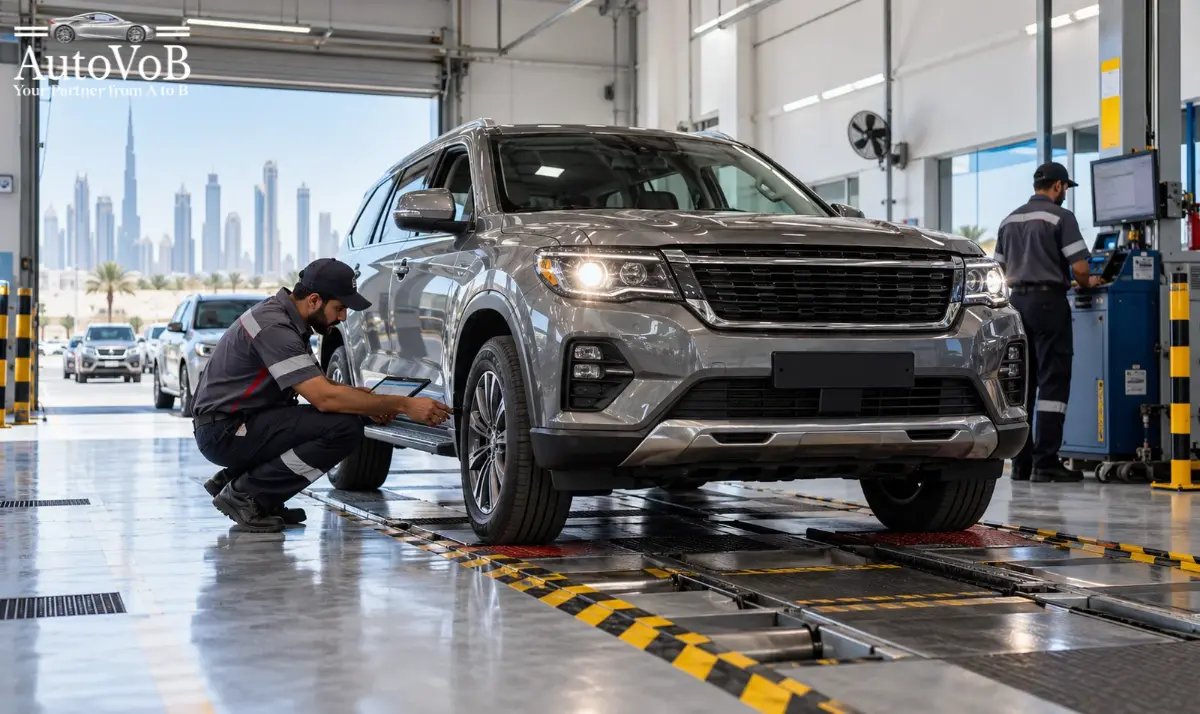
Modern workshops use computer based alignment machines to perform the process with precision.
Here is how it typically works.
Inspection
Technicians first inspect the suspension components, steering system, and tires. If parts are worn or damaged, they must be repaired before alignment.
Measurement
Sensors or cameras measure the current wheel angles. These readings are compared with manufacturer specifications.
Adjustment
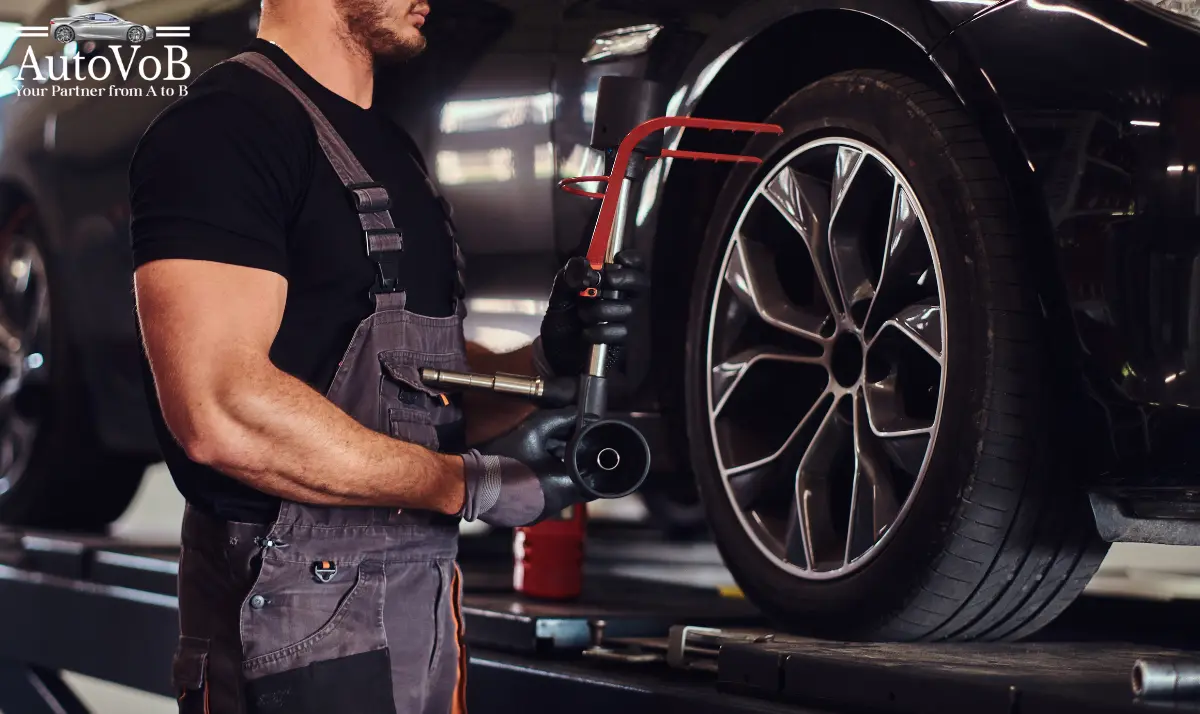
Technicians adjust the camber, toe, and caster angles using specialized tools.
Final Check
After adjustments, the system confirms that all measurements fall within the recommended range.
The entire process usually takes 30 to 60 minutes.
How Often Should Wheel Alignment Be Done?
There is no universal rule, but most mechanics recommend checking alignment every 8,000 to 10,000 kilometers.
However, certain situations require immediate inspection:
- After hitting a pothole or curb
- After replacing suspension parts
- After installing new tires
- If steering problems appear
Regular checks help prevent costly tire replacements.
Factors That Affect Wheel Alignment
Several everyday driving conditions can gradually disturb alignment.
Poor Road Conditions
Rough roads and potholes are one of the biggest causes of alignment problems.
Speed Bumps
Driving too fast over speed breakers can stress suspension components.
Curb Impacts
Even a small bump against a curb while parking can shift wheel angles.
Worn Suspension Parts
Over time, suspension components lose their strength. This can slowly push wheels out of alignment.
Can You Drive With Bad Alignment?
Technically yes, but it is not recommended.
Driving with misaligned wheels increases tire wear, reduces fuel efficiency, and affects handling. Over time it can also damage suspension components.
What this really means is simple. A small alignment problem today can turn into expensive repairs later.
Fixing it early saves money.
Tips to Maintain Proper Wheel Alignment
Keeping alignment in good condition does not require complicated maintenance. A few simple habits help a lot.
Drive carefully over potholes and speed breakers.
Maintain proper tire pressure.
Rotate tires regularly.
Inspect suspension components during routine service.
Check alignment whenever you install new tires.
These steps extend tire life and improve driving comfort.
Also Read: Car Suspension Problems and Repair Guide for Drivers
The Bottom Line
Wheel alignment is one of the most overlooked aspects of vehicle maintenance. Yet it directly affects safety, tire life, fuel consumption, and driving comfort.
Proper car wheel alignment ensures your vehicle drives straight, your tires last longer, and your steering stays predictable.
Understanding the difference between wheel alignment and balancing also helps drivers make better maintenance decisions. Both services matter, but they solve different problems.
If your steering feels off or your tires are wearing unevenly, it is a good idea to check the alignment before the issue becomes expensive.
For more such informative blogs, keep following AutoVoB blogs.