Car Air Bags Explained, Types, Safety, and Care
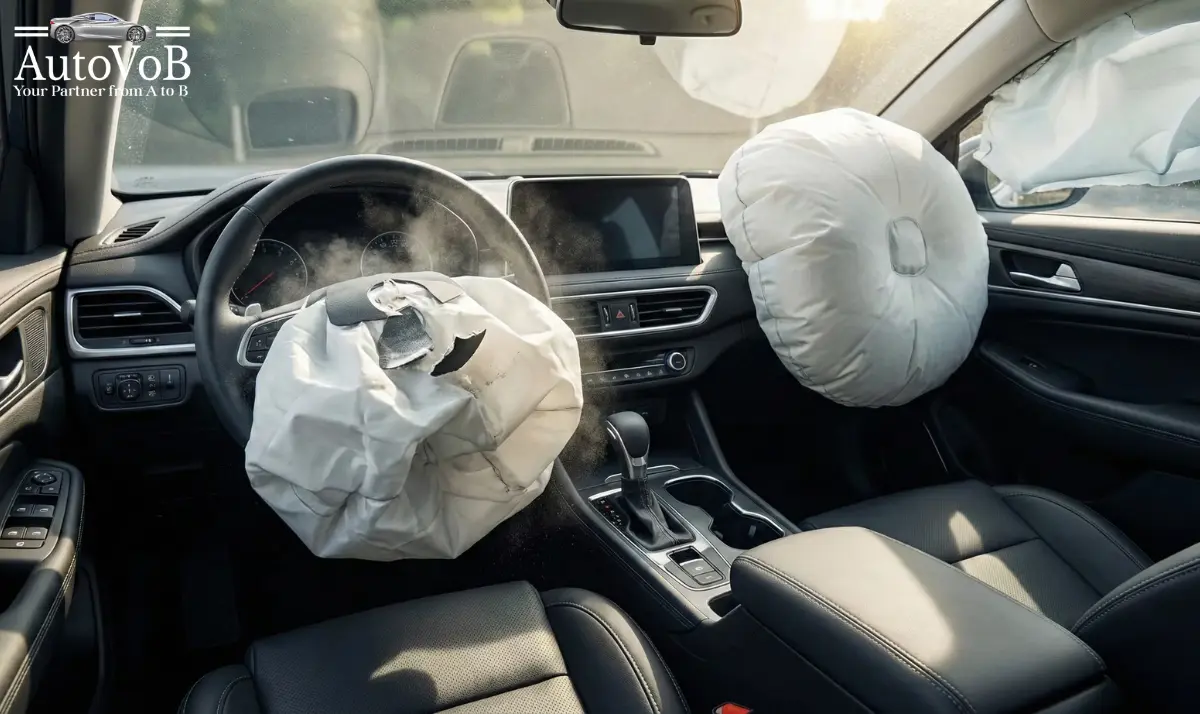
Car air bags have quietly become one of the most important safety features in modern vehicles. Most drivers know they deploy in a crash, but very few understand how they actually work, what types exist, or how to maintain them. Here’s the thing, air bags are not just cushions that pop out during an accident. They are part of a carefully engineered system designed to reduce serious injury and save lives.
Let’s break down everything you should know about car air bags, how they work, the different types available today, common myths, maintenance tips, and what to check before buying a vehicle.
What Car Air Bags Actually Do
Car air bags are part of a vehicle’s Supplemental Restraint System, often called SRS. The word supplemental matters. Air bags are designed to work with seat belts, not replace them.
When a collision happens, your body continues moving forward due to momentum. Seat belts hold you back, but your head and chest can still move violently. Air bags deploy in milliseconds to create a soft barrier between you and hard surfaces like the steering wheel, dashboard, doors, or pillars.
What this really means is that air bags help reduce:
- Head and brain injuries
- Chest and rib fractures
- Facial trauma
- Severe neck movement
In serious crashes, the difference between a vehicle with properly functioning air bags and one without them can be life changing.
How Car Air Bags Work
The system behind car air bags is surprisingly fast and precise.
Here’s how the sequence works:
- Crash detection
Sensors placed around the vehicle monitor sudden deceleration, impact force, and collision angle. - Signal to the control unit
If the impact crosses a specific threshold, the air bag control module decides which air bags need to deploy. - Instant inflation
A small chemical reaction produces gas that inflates the air bag in about 20 to 40 milliseconds. That is faster than the blink of an eye. - Controlled deflation
After cushioning the occupant, the bag immediately releases gas through tiny vents so you are not trapped against it.
Modern systems also adjust deployment force based on factors like crash severity, seat position, seat belt use, and occupant weight.
Types of Car Air Bags You’ll Find Today
Vehicles today offer far more than just front air bags. Safety has evolved, and manufacturers now install multiple types for different kinds of impacts.
Front Air Bags
These are the most common and are required in most countries. One is located in the steering wheel for the driver, and another in the dashboard for the front passenger. They protect the head and chest during frontal collisions.
Side Air Bags
Side impacts can be extremely dangerous because there is less space between the occupant and the point of impact. Side air bags are usually built into the seat or door panel and protect the torso and pelvis.
Curtain Air Bags
These deploy from the roof lining and cover the side windows. They protect the head during side collisions and rollovers and help prevent occupants from being thrown outside the vehicle.
Knee Air Bags
Found in some modern cars, these deploy under the dashboard to protect the knees and lower legs. They also help position the body correctly during a crash.
Rear Seat Air Bags
Some premium vehicles now include air bags for rear passengers, especially for side protection.
The bigger picture is simple. More air bags mean better protection from multiple crash directions.
Why Seat Belts Still Matter
There is a dangerous myth that air bags alone are enough. They are not.
Air bags deploy with significant force. Without a seat belt, the body may be too close to the air bag at the moment it inflates, which can cause injury. Seat belts keep you properly positioned so the air bag can do its job safely.
Most modern vehicles also use seat belt sensors to adjust air bag deployment strength. Wearing your seat belt is still the most effective safety habit you have.
Common Myths About Car Air Bags
Let’s clear up a few misunderstandings.
Myth 1: Air bags deploy in every crash
They only deploy when the impact force crosses a specific threshold. Minor accidents may not trigger them.
Myth 2: Air bags are dangerous
When used with seat belts and proper seating position, they significantly reduce injury risk.
Myth 3: Children are safe in the front seat
Children should always sit in the rear. Front air bags can be harmful to small passengers.
Myth 4: Air bags last forever without checks
Like any safety system, they need occasional inspection and attention.
Warning Signs and Maintenance Tips
Most drivers never think about car air bags unless the warning light appears. That small indicator on your dashboard matters more than you think.
Watch the SRS Warning Light
If the air bag light stays on after starting the car, the system may not function properly during a crash. This could be due to sensor faults, wiring issues, or a damaged module.
Avoid Aftermarket Steering Changes
Installing non-standard steering wheels or electrical accessories can interfere with the air bag system.
Check After an Accident
Even if air bags did not deploy, sensors or wiring may have been affected. Always get the system inspected.
Be Careful with Water Damage
Flood exposure can damage electronic control units, including the air bag system.
Replace Deployed Air Bags Properly
After deployment, the entire system, including sensors and control module, must be replaced by professionals.
Air Bags and Vehicle Age
Older vehicles may have fewer air bags or outdated systems. Technology has improved significantly over the past decade. Newer models include smarter sensors, multi-stage deployment, and better side protection.
If you are considering used cars, checking the air bag system should be part of your inspection. Look for:
- Air bag warning lights
- Signs of previous deployment
- Mismatched dashboard panels
- Vehicle accident history
Safety features matter just as much as engine condition or mileage.
Seating Position Matters More Than You Think
Air bags work best when you sit correctly.
Follow these simple guidelines:
- Sit at least 10 inches away from the steering wheel
- Keep hands at the sides of the wheel, not the center
- Sit upright, not leaning forward
- Avoid placing objects between you and the air bag
Passengers should also keep their feet off the dashboard. In a crash, a deploying air bag can cause severe leg and hip injuries if the posture is wrong.
Special Considerations for Children and Elderly Passengers
Children under 13 should always sit in the rear seat. If a rear-facing child seat must be placed in front, the passenger air bag should be turned off if the vehicle allows it.
Elderly passengers, who may have fragile bones or medical conditions, benefit greatly from proper seat positioning and seat belt use. Air bags reduce impact force, but correct posture still plays a critical role.
The Future of Car Air Bags
Safety technology continues to evolve. Manufacturers are now developing:
- External air bags that deploy outside the vehicle during a side impact
- Center air bags that prevent occupants from colliding with each other
- Adaptive systems that adjust inflation based on body size and position
- Pedestrian protection air bags in some markets
What this really means is that air bag technology is moving toward personalized protection rather than one-size deployment.
Also Read: Frayed Seat Belt in Cars: Causes and Real Fixes
Final Thoughts
Car air bags are one of the most effective safety innovations in automotive history. They work silently in the background, require little attention, and activate only when needed. But their effectiveness depends on three things, a functioning system, proper seat belt use, and correct seating position.
If you own a vehicle, pay attention to the SRS warning light and never ignore it. If you are buying a car, especially an older one, verify the air bag system just as carefully as the engine or brakes.
Accidents are unpredictable. Preparation is not. Car air bags, combined with smart driving habits and basic awareness, give you the best chance of walking away when things go wrong.