Can Electric Cars Be Modified?
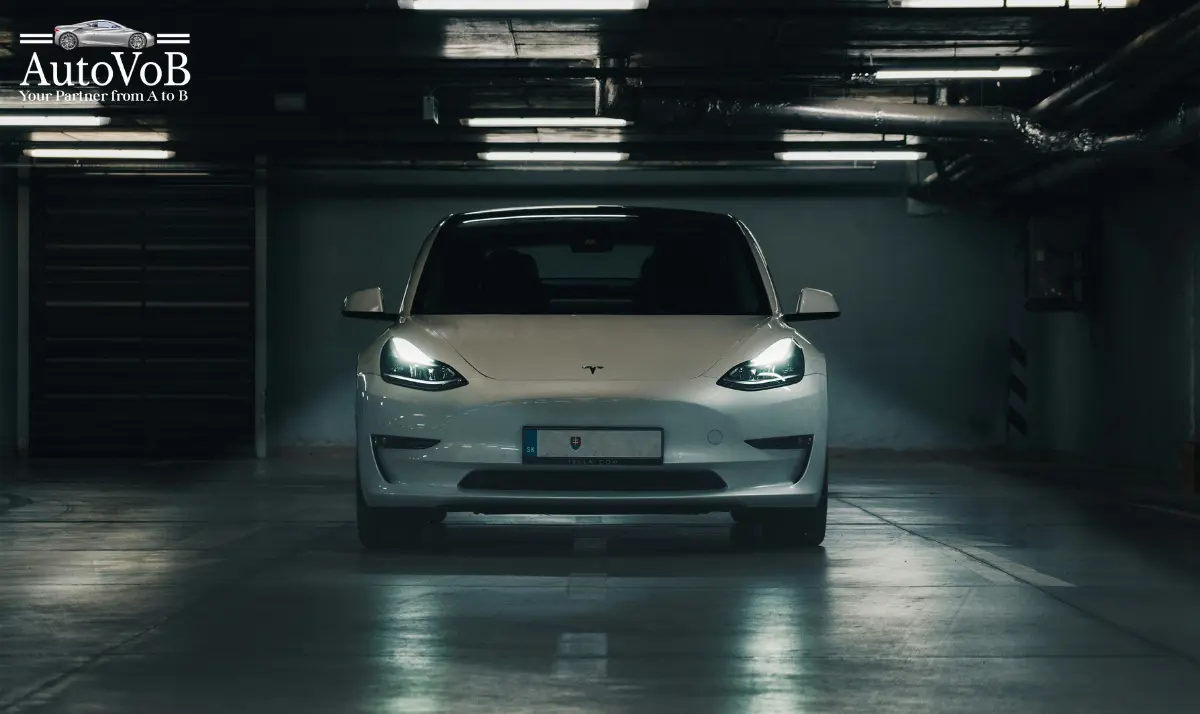
Electric cars can absolutely be modified. The real question is how far you want to push it without turning your ride into a headache or a legal nightmare, especially in GCC spots like UAE or Saudi.
Start Simple: Bolt-On Basics
Think brakes first. Bigger rotors, carbon ceramics if you're serious, high-performance pads, and cooling ducts shave stopping distances on heavy EVs loaded with batteries. Suspension comes next, coilovers, adjustable arms from shops like Unplugged Performance tighten handling on Teslas without touching the powertrain. Tires matter too; swap to Michelin Pilot Sport EV or Pirelli P Zero for better grip since electric torque chews through rubber fast. Lighter alloy wheels cut unsprung weight, boosting acceleration and range a bit.
Aero bits like front splitters or rear diffusers add downforce for high-speed stability. No software hacks needed. Costs? A brake kit runs $2,000-$5,000, suspension $1,500 up, wheels and tires another $3,000 easy. In UAE, shops in Dubai's Al Quoz fit these daily, ESMA stamps them road-legal if specs match OEM torque ratings.
Here's the thing: these changes look good and drive better right away. Add LED light bars or smoked lenses, but get RTA approval in Dubai to dodge fines starting at AED 1,000. Wraps in matte black? Popular in Qatar, fully legal with color change paperwork.
Software Tweaks Unlock Power
Electric motors run on code, so tuning the ECU or controller ramps torque and speed. Adjust power delivery, regen braking, even thermal limits for sustained pushes. AEM's VCU 300 standalone unit handles multiple motors, custom torque maps, around $4,000-$5,500 installed. Pedal boxes like DTE Systems sharpen throttle response without full remaps.
Tesla owners push this hard. Third-party flashes boost acceleration, but Tesla sniffs them out and bricks updates or voids warranties. What this really means is gains like 0-60 drops of 0.5 seconds on a Model 3, but only if your tuner's legit. Risky? Yeah, improper maps overheat batteries or motors. In Saudi Arabia, SASO bans unapproved ECU changes, GACA inspections flag them at borders, seizing cars until recertified.
GCC tuners skirt this with "performance optimization" that stays within factory limits. Bahrain shops offer it quietly; Kuwait follows ESMA too, but enforcement's laxer on private tracks.
Deeper Cuts: Motors and Batteries
Motor swaps exist for the bold. Stealth EV's 469 hp unit or Hypercraft's S1000Di dual-motor pack deliver 1,000+ hp for restomods. Kits include inverters, controllers, wiring, plug into classics like a Morris Minor for Tesla-beating efficiency. Battery upgrades? Nissan Leaf owners cram 62 kWh packs into old 24 kWh shells with spacers and ECU registration. NIO designed swappables; future solid-state packs by 2026 could double range.
Let's break it down: a full powertrain swap costs $20,000-$50,000 plus labor. Battery alone? $10,000-$30,000 depending on capacity. Gains are huge, 30-40% more range, double torque, but fitting needs frame mods, cooling reroutes. Not DIY unless you're an engineer.
In Oman, GCC-spec conversions focus on heat management, beefier cooling for 50°C summers. Qatar's QEPA requires emissions-free proof, easy for pure EVs, but battery swaps need type approval. UAE tuners in Sharjah specialize in Leaf and MG ZS EV upgrades, sourcing packs from China for AED 40,000 installed.
Legal Hurdles You Can't Ignore
Laws vary wildly. In India, no ECU remaps or engine swaps without RTO approval; fines hit ₹5,000 for violations. GCC tightens this: UAE's RTA mandates ESMA certification for any structural or power change, batteries, motors included. Fail, and it's impound plus AED 3,000 fine. Saudi's SASO tests mods for fire risk; post-2025 rules demand Arabic labels on altered parts.
Bahrain's lighter touch allows cosmetics freely, but power mods need MOT-equivalent checks. Kuwait imports GCC-spec only, so mods must match SASO specs or face customs rejection. Oman and Qatar mirror UAE, QEPA or ESMA stamps required. US? Mostly fine if road-legal, but emissions irrelevant for pure EVs.
Warranty voids everywhere. Insurance jumps or drops coverage for unapproved changes. Cosmetics like wraps, lights? Safer legally, update RTA for color swaps. Always check local rules; one bad mod fails inspection, you're walking. GCC owners export cars to Oman for mods, then reimport, grey area workaround.
Safety First, Always
High voltage kills. Mess with batteries wrong, you risk shocks, fires, explosions from damaged cells. Motors retain charge post-shutdown; skip isolation, boom. Heavier EVs demand pro brakes, stock ones fade under modded power.
Pro tip: shops need EV certs. Inertia switches cut power on crashes; rubber bushings damp vibes. Post-mod, test battery health, thermal systems. One spacer slip in a Leaf upgrade bricks the pack. GCC heat amps risks, overtaxed cooling leads to thermal runaway faster in Dubai traffic.
Drive safe, or don't mod. UAE mandates orange high-voltage cables stay intact; tamper, and you're liable for accidents.
Costs Add Up Quick in GCC
Entry level: $5,000 for brakes, suspension, tires. Software tune: $1,000-$3,000. Full powertrain: $30,000+. Restomod conversions hit $50,000-$100,000 with donor car. EVs guzzle tires faster, so factor $1,500 yearly. GCC premiums sting, import duties on parts add 5-12%, labor in Dubai runs AED 300/hour.
Savings? Better efficiency from light wheels offsets some juice loss. Batteries dominate budgets, raw materials pricey. ROI shines in track days at Yas Marina or resale for custom builds. UAE shops quote full Tesla suspension kits at AED 15,000; Saudi battery upgrades AED 50,000+ with certs.
Real-World Examples That Work
Tesla Model 3 owners swap wheels, add yoke steering, reupholster seats in leather. Plaid gets Unplugged coilovers, carbon aero for drag strips. Leaf battery swaps double range practically. Hypercraft packs turn muscle cars electric.
GCC shines here: Dubai's EV tuner scene wraps MG4s in camo, fits coilovers for desert runs, RTA approved. Saudi princes mod Lucids with aero for Riyadh tracks, SASO-cleared. Qatar campers add solar roofs to BYD Atto 3s; Oman's off-roaders lift Kia EV6s with taller tires. Bahrain imports tuned Nissaris from Japan, GCC-spec'd. Kuwait vans get roof racks for dunes. These hold value; wild power mods? Niche buyers only.
Also Read: Problems With Electric Cars: What Owners Don’t Always Hear
What's Next for EV Mods in GCC
Aftermarket grows slow but steady. 3D-printed parts cut costs; battery swaps standardize. Solid-state by 2026 means denser packs, easier upgrades. Shops specialize, P3X for Tesla brakes, Stealth for motors.
GCC booms with it. UAE's Vision 2030 pumps EV infra; mod shops multiply in Jebel Ali. Saudi's NEOM plans EV tracks for testing. Qatar eyes F1-level tuning hubs. Start small, learn your car. Mods make electrics personal without the gas guzzler drama, especially when your Tesla hauls ass through Dubai at 50°C.