Buy Used Cars Online: A Smarter Way to Shop
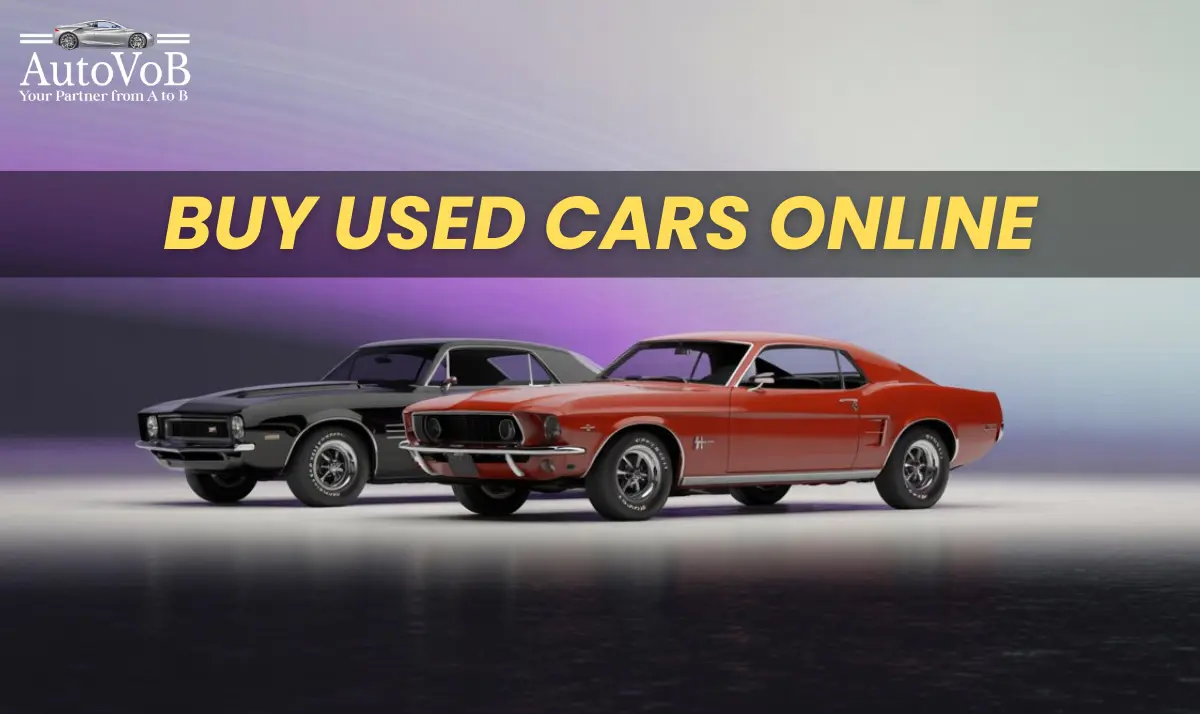
Buying a car used to mean driving from one dealership to another, checking listings in the newspaper, and hoping you weren’t being ripped off. That’s changed.
Now, the smarter move is to buy used cars online. It saves time. It gives you access to a wider market. And it puts you, the buyer, in control. But here's the thing—not all platforms or listings are created equal. If you're not careful, you might trade convenience for confusion.
So let’s break it down. What does it really mean to buy a used car online, what should you look out for, and how can you make sure you're getting a deal that makes sense?
Why People Are Ditching Dealerships
Let’s start with the obvious question: Why are more people choosing to shop for used cars online instead of walking into a dealership?
Simple—control, choice, and transparency.
When you shop online, you can compare prices across different cities, filter listings by condition or mileage, and read up on the model you’re considering, all in one sitting. You’re not relying on a salesperson’s pitch or stuck with whatever happens to be on the lot.
You get to move at your own pace. Want to spend three days researching a specific model? Go for it. Want to compare ten listings at once? No one’s stopping you. That’s the power shift.
What Buying Online Actually Looks Like
If you’ve never bought a vehicle online before, don’t worry—it’s not complicated. In fact, the process usually looks something like this:
- Search and Filter
Start by choosing what you want: make, model, year, budget, condition, fuel type, etc. A good site will let you filter these easily.
- Shortlist Listings
Look through the photos, check the specifications, and read the seller’s description. Pay close attention to any red flags or missing information.
- Ask Questions
Just because it’s online doesn’t mean you can’t talk to someone. Reach out. Ask for the service history, accident records, or even a video walkthrough.
- Arrange an Inspection or Test Drive
Depending on the platform, you might be able to schedule an inspection, or even a doorstep test drive.
- Negotiate and Buy
Once you’re satisfied, it’s time to make an offer and handle the paperwork. Again, many platforms help facilitate this part.
This is where choosing the right platform makes all the difference when you buy used cars online.
Where You Buy Matters: Not All Platforms Are Equal
Some sites are flooded with duplicate listings, shady sellers, or outdated information. Others are clean, well-curated, and transparent.
One of the better options out there is autovob.com. Unlike most marketplaces that focus only on cars, Autovob lists all kinds of used vehicles—cars, bikes, buses, yachts, aircraft, and even heavy equipment.
So whether you’re looking for a compact city car or a used bulldozer for your business, it's all under one roof. More importantly, the listings are well-structured, and you can actually get in touch with the sellers directly. That kind of trust and usability is rare in this space.
Used Doesn’t Mean Unreliable
Let’s kill the old myth: used cars aren’t necessarily worse than new ones. In fact, if you buy smart, you can save a lot of money while still getting a reliable vehicle.
Here’s what really matters:
- Service History: A well-documented history usually means the car’s been cared for.
- Ownership Count: Fewer owners generally equals less abuse.
- Mileage vs. Condition: A car with slightly higher mileage but consistent maintenance is often better than a low-mileage car that’s been neglected.
- Model Reputation: Some models age better than others. A quick online search can tell you which ones are worth betting on.
When you buy used cars online, you can check all of this before even stepping outside. That’s a huge advantage.
Certified Used Cars: Worth It or Not?
Some platforms (and dealers) offer “certified” used cars. That usually means the vehicle has gone through a multi-point inspection and comes with some sort of warranty.
Sounds great. But should you pay extra for it?
It depends. If you're not mechanically inclined and don’t want to deal with the uncertainty of repairs, then yes—a certified car can be a smart move. Just make sure you read what’s actually covered. A warranty that excludes common parts like the battery or AC system might not be worth the markup.
But if you know how to spot a solid car—or you're getting it inspected anyway—then you might save money by skipping the certification.
What to Watch Out For
Buying used cars online isn’t risky if you know what to watch for. Here are a few red flags:
- Listings with one blurry photo and no description. If the seller can’t be bothered, neither should you.
- Prices that seem too low. If it looks like a deal that’s too good to be true, it probably is.
- No way to contact the seller directly. That usually means you’ll be passed around or upsold.
- Lack of paperwork or registration details. This is non-negotiable. If a seller can’t show ownership papers, walk away.
Do your homework. Ask questions. And trust your gut.
Negotiating Online Is Different—But Still Possible
One mistake people make when buying online is assuming the price is fixed. It’s not. You can (and should) negotiate.
The difference is how you do it.
Instead of haggling in person, you’ll be doing it over chat or calls. Be polite, ask logical questions, and justify your offer. For example:
“I noticed the car hasn't had a recent service and the tires are worn. Would you consider ₹25,000 less?”
That kind of calm, informed approach works better than hardball tactics—especially when you buy used cars online and never meet the seller face-to-face.
Don’t Forget the Transfer Process
After sealing the deal, you still need to take care of the ownership transfer. This varies by region, but it usually includes:
- Signing the sale agreement
- Paying the applicable taxes or transfer fees
- Updating the vehicle registration
- Canceling any existing loan hypothecation, if applicable
Many platforms, including autovob.com, provide basic guidance on this. But you can also find government portals or hire a local agent to help with the paperwork if you're unsure.
Also Read: Used Car Certification: What It Is and Why It’s Worth Paying Attention To
Final Thoughts
Choosing to buy used cars online isn’t just about convenience—it’s often a smarter financial decision. You get more options, better prices, and greater control over the process. But the key is choosing the right platform and doing your due diligence.
If you’re looking beyond just cars—say, bikes, buses, or even used yachts and aircraft—autovob.com is one of the few platforms that truly covers it all. It’s a solid starting point if you want variety, transparency, and direct access to sellers.
The old way of car shopping isn’t dead, but it’s no longer the default. The future belongs to buyers who know how to navigate the online space confidently and carefully.
So go ahead. Do your research. Make your shortlist. And take your time. The right deal is out there—you just need to know where (and how) to look.