Used Car Certification: What It Is and Why It’s Worth Paying Attention To
Let’s say you’re shopping for a used car. You’ve narrowed it down to two decent options. One has a shiny little label that says “certified”, while the other one doesn’t—but it’s a bit cheaper. The salesperson keeps talking about inspection points, warranties, and peace of mind. And honestly, it all sounds... vague.
So, what is a used car certification, really? Is it just marketing fluff, or does it actually make a difference?
Let’s unpack this together.
So, What Exactly Is “Used Car Certification”?
Used car certification is basically a stamp of approval—an official one—that says, Hey, this car has been looked at, cleaned up, tested, and meets certain standards.
It’s like buying a secondhand phone from a trusted store instead of some guy on the internet. Same model, sure. But the certified one has been inspected, maybe even comes with a warranty. The other one? You just have to hope it works.
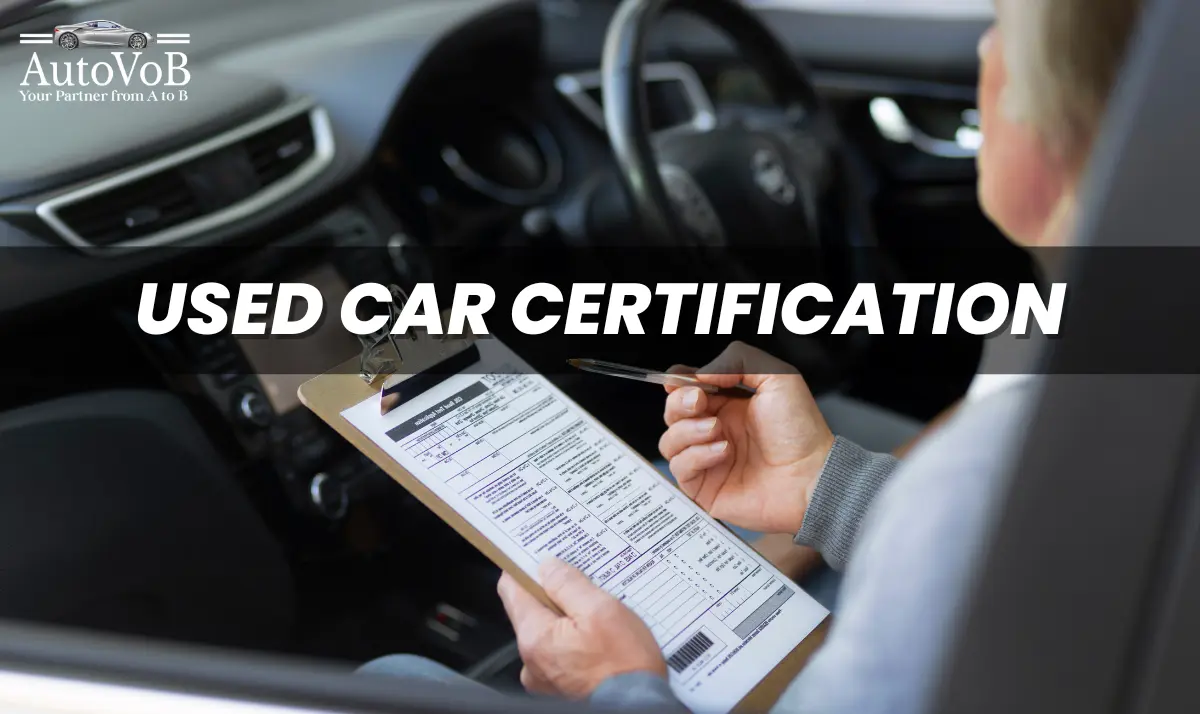
In the car world, that certification process usually involves a detailed checklist. We’re talking anywhere from 100 to 200+ inspection points—everything from the brakes to the AC to the engine health. If anything’s off, it gets repaired before the car earns the certified label.
But not all certifications are created equal, which brings us to…
The Two Main Types of Used Car Certification
There are basically two flavors:
1. Manufacturer Certified Pre-Owned (CPO)
This is the gold standard. These are used cars that go through a rigorous inspection process backed by the original carmaker—Toyota, BMW, Honda, you name it. They usually:
- Are under a certain age (often less than 5-7 years old)
- Have limited mileage
- Pass a detailed inspection (again, 100+ points)
- Come with an extended manufacturer warranty
- Sometimes even offer perks like roadside assistance or free service
Buying a CPO car means you’re getting something very close to new—but at a used-car price.
2. Dealer or Third-Party Certification
Not all used cars come from brand dealerships. Some are certified by the dealership selling them, or a third-party inspection service.
These cars might still be great, but the inspection standards, warranty terms, and attention to detail can vary wildly. One dealership might be super thorough. Another might just check if the car starts and call it a day.
That’s why it’s important to ask questions and read the fine print. Don’t assume every “certified” car means the same thing.
Why Certification Matters (And When It Doesn’t)
Let’s get honest for a second: not everyone needs a certified car.
But for a lot of folks—especially if you’re not a mechanic or don’t have one on speed dial—certification can really take the stress out of buying used. Here’s why:
- You know the car’s been checked inside and out
- You get a warranty, which means you’re not footing the bill if something goes wrong right after purchase
- You avoid lemons, or at least reduce the odds
Let me give you a quick example.
A Quick Story: Meet Sameer
Sameer was buying his first car. He had his eyes on a used Honda Civic—two, actually. Same year, same color, nearly identical mileage. One was listed as certified by the dealership, and the other was a private sale with no inspection but about ₹35,000 cheaper.
Tempting, right?
But here’s the thing. Sameer wasn’t a car guy. He didn’t know what to look for under the hood. He went for the certified one, even though it cost a little more. A month later, his cousin bought a car from a private seller. Two weeks in? Brake trouble. The repair cost more than the ₹35,000 he saved.
Sameer? Still cruising.
Now, that’s just one story, sure. But it’s the kind of situation that plays out all the time.
What Gets Checked in Certification?
Most certified cars go through a full-body check-up, more detailed than a regular service.
We’re talking:
- Engine and transmission performance
- Brake pads and rotors
- Suspension and steering alignment
- Battery life
- Tire tread depth and pressure
- Lights, wipers, horn, electronics
- Fluid levels and filters
- Interior cleanliness and wear
- Exterior paint and rust check
Some even get diagnostic scans to check for error codes or past crash data. Basically, they’re trying to make sure the car is safe, reliable, and road-ready.
And What About the Warranty?
This is the big one.
The whole point of certification, besides inspections, is the warranty. It gives you a safety net. Most manufacturer-certified vehicles come with an extended warranty that kicks in once the original warranty expires.
Typical CPO warranties cover major systems like:
- Engine
- Transmission
- Drivetrain
- Electricals
- AC systems
Some last for a year, others for two or more. Some include unlimited kilometers, others cap it. Dealer or third-party warranties vary a lot more—some are generous, others are barely there. Always ask what’s covered and what’s not.
Pro tip: Don’t just take the salesperson’s word for it. Ask to see the actual warranty document.
So, Is a Certified Used Car Worth It?
The honest answer? It depends.
Go for a certified car if:
- You’re planning to keep the car for several years
- You don’t know much about car mechanics
- You’d rather avoid surprises in the first year or two
- You like having a warranty
Maybe skip it if:
- You’re buying from someone you trust and you know the car’s history
- You’ve got a trusted mechanic who can inspect it before buying
- You’re on a super tight budget and willing to take a bit of a gamble
Either way, don’t assume a certified label means you’re in the clear. Do your homework. Ask about the inspection, read the warranty, and always take it for a test drive.
Also Read: Best Used Cars to Buy in 2025: Top Recommendations for Daily Drivers
Where Can You Find Certified Used Cars?
You’ve got a few solid options:
- Authorized brand dealerships – Best for manufacturer-backed certification.
- Multi-brand used car showrooms – Some do a decent job with inspection and warranty.
- Online platforms like autovob.com – They list certified vehicles, often with detailed specs, photos, and even inspection reports. It’s a great starting point to browse and compare without the pressure of a salesperson hovering nearby.
The key is to stick with sources that are transparent about what certification really means. If someone’s vague or dodgy when you ask for details? Walk away.
Final Thoughts
Used car certification isn’t just a buzzword. Done right, it’s a real layer of protection between you and a bad purchase.
That doesn’t mean every certified car is perfect—or that every non-certified one is a lemon. But if you’re the kind of person who likes a bit of assurance, especially when you’re spending serious money, it’s worth considering.
At the end of the day, buying a used car is always a bit of a leap. Certification just helps you land on something a little more solid.
So yeah—maybe that shiny little label isn’t just for show after all.