Alloy Wheels vs Steel Wheels: Pros and Cons Explained
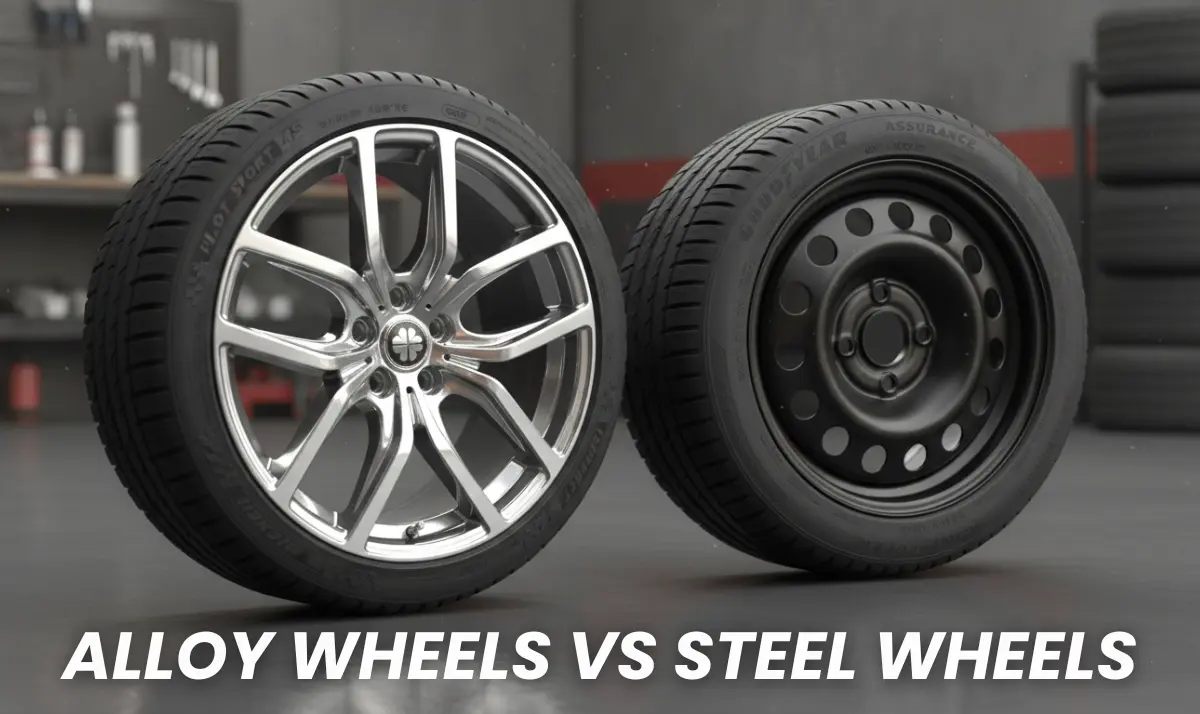
If you are comparing alloy wheels vs steel wheels, you are not being picky. Wheels affect how your car feels, how safe it is in bad situations, how much fuel it burns, and even how much you spend on repairs. So it is worth thinking this through instead of just going with whatever looks shinier in a showroom.
Let’s break it down in plain language and go point by point.
What are alloy wheels and steel wheels, really
Before we weigh pros and cons, it helps to be clear about what we are comparing.
- Steel wheels are made by pressing and welding steel. They are usually heavier, simpler in design, and common on lower trims or work vehicles.
- Alloy wheels are usually made from a mix of aluminum and other metals. They are generally lighter, can be cast into more complex shapes, and are common on mid to high trims and performance cars.
So this is not just a styling choice. The metal and manufacturing method change how the car behaves on the road.
Weight, handling, and ride comfort
This is where alloy wheels often win.
Alloy wheels are usually lighter than comparable steel wheels. That matters because wheels are part of what is called unsprung mass, the weight that the suspension has to control directly. Lower unsprung mass helps the suspension do its job more effectively.
What this really means is:
- The car responds a bit quicker to steering input.
- The suspension can keep the tires in better contact with the road on uneven surfaces.
- You feel slightly more control and stability in corners.
On the flip side, the lighter and stiffer feel of alloys can sometimes make small road imperfections more noticeable, especially if you also use low profile tires. Steel wheels, being heavier, can feel a bit more muted on rough roads, but you pay for that with lazier handling.
If you care about a more engaging drive, the scale tilts toward alloys. If all you want is a calm, soft feel at low speeds in the city, steel wheels can be perfectly fine.
Fuel efficiency and performance
Here is the thing. Reducing weight at the wheels does not magically transform a car, but it helps.
Because alloy wheels are lighter:
- The engine has to work slightly less to get them rotating.
- That can improve acceleration a bit, especially on smaller engines.
- It can also give a minor improvement in fuel efficiency over time.
The difference is not dramatic on its own, but combine it with sensible tires and correct pressures, and it becomes part of a larger efficiency picture.
Steel wheels, being heavier, add rotating mass. For a commuter car stuck in traffic, you might barely notice. For people who drive long distances or care about every bit of efficiency, alloys are the smarter choice.
Strength, durability, and damage resistance
This is where steel wheels fight back.
Steel wheels:
- More tolerant of hard impacts, like deep potholes.
- If they bend, they can often be reshaped by a competent workshop.
- They rarely crack unless abused badly.
Alloy wheels:
- Stiffer, which is good for handling, but that stiffness means they are more prone to cracking if hit hard.
- Bending is less common, but a cracked alloy often needs replacement, not repair.
- Deep scratches from curbs and stones also show up more on alloys, especially if they are painted or machined with a shiny finish.
So if you drive on rough roads, broken tarmac, or bad rural routes where potholes are a daily reality, steel wheels have a real advantage in durability and repair cost.
Corrosion and weather resistance
Both materials can corrode, but they do it differently.
- Steel wheels can rust if the protective paint or coating is damaged.
- Alloys do not rust like steel, but they can corrode, especially if the clear coat is chipped and moisture and road salts work on the surface.
For most normal users who keep their cars reasonably clean and do not live in extreme salt or coastal conditions, this is not a deal breaker either way. Good maintenance, regular cleaning, and fixing damage early matter more than the material alone.
Safety aspects
Wheels do not come to mind first when people think of safety, but they should.
Here is how material and design play a role:
- Better handling from lighter alloy wheels can help you keep control during emergency maneuvers.
- Strong steel wheels can survive impacts that might crack an alloy, which could avoid air loss in a bad pothole scenario.
- Correct wheel size, offset, and width, whether alloy or steel, affect how your brakes cool and how your suspension geometry behaves.
What this really means is that you should not just bolt on any aftermarket wheel that looks good. Whether you choose alloy wheels vs steel wheels, stick to sizes and specs recommended for your car, and buy from brands with actual testing and quality control. Safety is less about the buzzwords on the box and more about proper engineering and fitment.
Cost, repairs, and long term ownership
Money often decides faster than anything else.
Buying cost
- Steel wheels are cheaper upfront. They are usually the default on base variants.
- Alloy wheels cost more. On higher trims they may be bundled with other features. As aftermarket options, some are reasonably priced, others are expensive.
Repair and replacement
- Steel wheels are usually cheaper to repair if bent.
- Alloy wheels cost more to repair, and in the case of deep cracks or structural damage, replacement is often the only safe option.
Insurance and resale
- Cars with factory alloy wheels may have slightly better appeal on the used market.
- Some insurers may charge a bit more if you declare expensive aftermarket alloy wheels, especially larger sizes.
So if you want a low stress, low cost ownership, especially for a car used for work, taxi duty, or rough conditions, steel wheels keep life simpler and cheaper. If you are okay spending more for looks, handling, and a bit more pride of ownership, alloys make sense.
Looks and customization
Let’s be honest, a lot of people pick alloys because they simply look better.
- Alloy wheels come in a wide range of designs, sizes, and finishes.
- They can transform how a car looks, even if you change nothing else.
- Steel wheels usually hide behind plastic wheel covers that can crack, fade, or fly off.
From an aesthetic point of view, alloys win by a huge margin. That style does not improve performance automatically, but it does change how you feel about the car, and that is not trivial. People who like their cars tend to maintain them better.
Just keep your head on straight with size. Jumping to much larger diameter alloys with very low profile tires may give your car a sporty look, but you will:
- Feel more of every pothole.
- Increase the risk of rim and tire damage.
- Sometimes worsen ride comfort and even braking or acceleration if the overall setup becomes too heavy.
Form should balance with function, not steamroll it.
Which is better for different types of drivers
Instead of chasing a single winner, it is smarter to match the wheel type to how and where you actually drive.
City commuter on mixed roads
If your daily drive is a mix of reasonable roads with some rough patches:
- Factory alloy wheels in stock size are a good balance.
- You get lighter weight and better looks without making the ride unbearable.
Rough roads, rural use, or work vehicle
If you regularly tackle broken roads, construction sites, village routes, or carry heavy loads:
- Steel wheels are usually the smarter, cheaper, and less stressful option.
- Easy repair, lower replacement cost, and better tolerance to abuse are real advantages.
Highway tourer and enthusiast driver
If you enjoy driving, do long highway trips, or care about handling and responsiveness:
- Quality alloy wheels, in a size close to stock, are the way to go.
- Pair them with good tires and proper alignment, and your car will feel tighter and more confidence inspiring.
Budget focused buyer
If you just want reliable mobility at the lowest cost, and you are not bothered about styling:
- Stick to steel wheels with decent tires.
- Spend the saved money on maintenance, good brake pads, and quality fuel.
Also Read: How to Do a Proper Brakes Inspection in Cars
So, alloy wheels vs steel wheels, which should you pick
When you strip away the marketing and the showroom shine, the decision is quite simple.
Choose alloy wheels if:
- You want better handling and slightly better performance.
- You care about how your car looks.
- Your roads are not extremely rough, or you drive carefully over bad patches.
- You are willing to pay more for the wheels and possible repairs.
Choose steel wheels if:
- You drive often on bad, broken roads or in heavy load conditions.
- You want the cheapest, most forgiving option to repair and maintain.
- You do not care much about wheel design or visual upgrades.
- You want a practical, workhorse setup.
The key is to be honest about your use. When you look at alloy wheels vs steel wheels, you are not deciding which one is superior in some abstract sense. You are deciding which one fits your roads, your driving style, your budget, and your tolerance for risk and repair.
If you match the wheel type to your real life, not just your Pinterest board, you will be happier every time you drive.