Vehicles for Sale in Dubai: What’s Worth Your Time
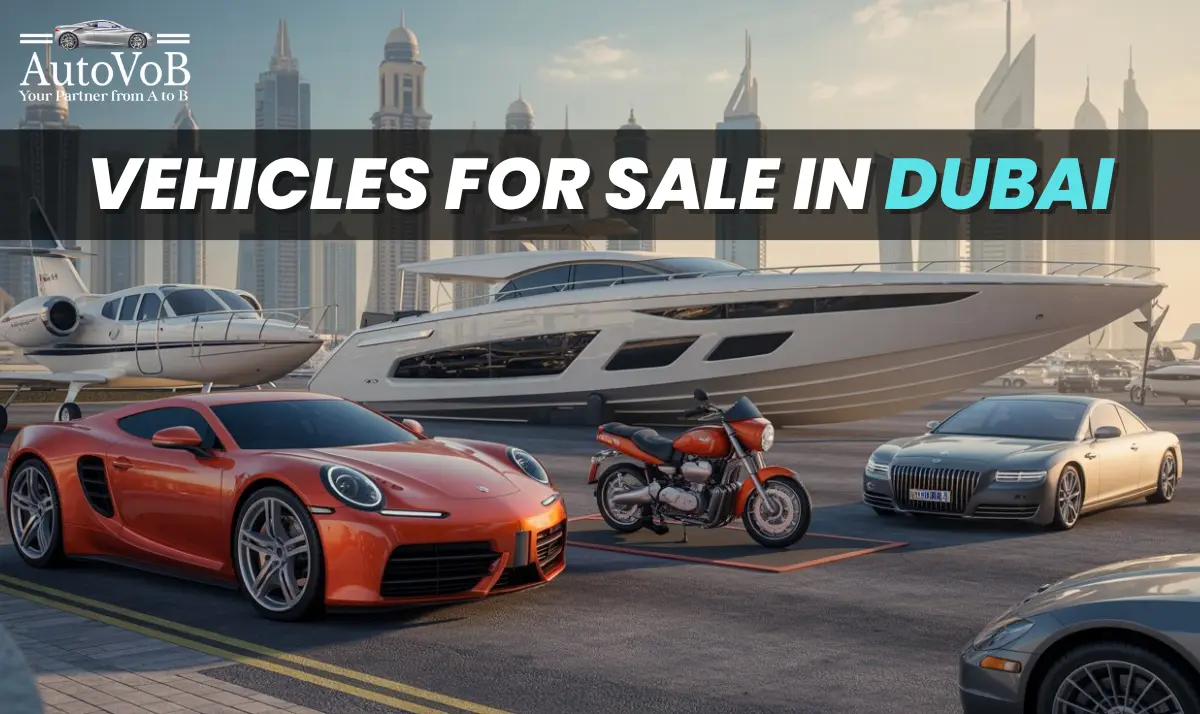
Dubai isn’t just known for its skyline and supercars. It’s one of the most active vehicle markets in the region—maybe even the world. People are constantly buying, selling, upgrading, and trading all kinds of vehicles. Not just cars. We’re talking bikes, buses, boats, even aircraft and heavy equipment. If it moves, there’s probably someone selling it.
But with so many options—and a wide range of sellers—it’s easy to get overwhelmed. Not all deals are good deals. And not every vehicle that looks sharp in photos is worth your money. So let’s break it down and get clear on what the market actually looks like, what’s available, and how to buy smart.
Why Dubai’s Vehicle Market is Always Moving
Here’s the thing: Dubai has a unique mix of factors that keep its vehicle market buzzing.
For one, it’s a city built around driving. Public transport exists, but for most people, a vehicle is a necessity. Then there’s the expat turnover. People come and go every year, which means a constant supply of second-hand cars, bikes, and more.
On top of that, Dubai’s no stranger to luxury. You’ll find a steady stream of high-end vehicles being listed because their owners are simply upgrading to something flashier. Good for them. Great for you, if you’re shopping for a quality used vehicle.
What You’ll Find for Sale
Let’s talk specifics. Here are the main categories of vehicles you’ll come across in Dubai—and what to know before jumping in.
- Used Cars
This is the biggest category by far. You’ll find everything from budget hatchbacks to nearly-new Range Rovers. Sedans, SUVs, pickups—take your pick.
Used cars in Dubai usually fall into one of three buckets:
- Private Sales: Individuals listing their own cars. Sometimes cheaper, but also riskier.
- Dealers: More secure, often includes inspection reports, warranties, and financing help.
- Certified Pre-Owned (CPO): These come from authorized dealers and have been fully inspected, serviced, and backed with a warranty.
Things to watch out for:
- Odometer tampering (yes, it still happens)
- Accident history (ask for a full report)
- Imported vehicles not suited for UAE conditions
- Motorcycles and Bikes
The demand for bikes is strong, especially in urban areas or among delivery riders. You’ll find everything from sport bikes to cruisers to scooters.
Used motorcycles are usually listed by both private owners and dealers. Maintenance matters a lot here—check tire wear, brake condition, and service history. And be sure the bike was registered for road use. Not all are.
- Yachts and Boats
You don’t have to be a billionaire to own a boat in Dubai. Thanks to the coastline and large expat community, there’s a surprisingly healthy market for used yachts, speedboats, and fishing vessels.
Boat ownership, though, comes with its own set of responsibilities—storage, permits, regular maintenance. Be clear on what you’re signing up for before making that purchase.
- Buses and Commercial Vehicles
Buying a bus or van? You’re likely running a business or expanding one. School buses, staff transport, and commercial vans are all regularly listed.
Check for:
- Service history
- Roadworthiness certificates
- Insurance and RTA compliance
In this category, functionality beats appearance. Make sure the basics are solid.
- Aircraft
Yes, there’s a market for used aircraft in Dubai—mostly private jets, helicopters, and small charter planes. It’s a niche group, but if you’re in that space, you know how important it is to work with trusted brokers and ensure proper certification.
Every aircraft sale comes with a mountain of paperwork, regulation, and inspection. It’s not something you do casually.
- Heavy Equipment
This includes bulldozers, excavators, cranes, forklifts, and other machinery. Dubai, being a constant construction zone, sees a lot of turnover in this segment.
Buyers here are usually contractors or companies needing machinery for specific projects. Key things to look for:
- Manufacturer
- Operating hours
- Service and maintenance records
- Operator cabin condition
And don’t skip the test run.
Where to Start Looking
There are dozens of platforms listing vehicles for sale in Dubai. Some cater to one category, others cover them all. Word of mouth is still strong here, but if you want a reliable place to start, check out Autovob.com.
Autovob.com is the First Global Marketplace to Buy & Sell Cars, Bikes, Yachts, Aircraft, Buses, and Heavy Equipment. The Platform provides 100% Free Listing for all kinds of Automobiles.
It’s simple to use and covers more than just your average sedan. You’ll find high-quality listings from individual sellers and dealers across categories.
New vs. Used: Which Makes More Sense?
Let’s not overthink it. If you’ve got the budget, buying new is always safer. You get a clean record, warranty, and peace of mind. But it comes at a premium.
Used vehicles, on the other hand, give you more value for your money—especially in Dubai where depreciation hits hard and fast. A car that’s one or two years old might cost 30% less than new, while still being in top shape.
Just make sure you’re buying from someone who’s transparent about the vehicle’s condition. Don’t cut corners on inspections.
What to Watch Out For
Scams still happen. Not every listing is honest. Here’s how to stay smart:
- Don’t send money without seeing the vehicle.
- Always check ownership papers. Ask for the Mulkiya (registration card).
- Request a service history. No history? Move on.
- Get an independent inspection if it’s a high-value vehicle.
- Avoid deals that feel rushed or “too good to be true.” They usually are.
Dubai’s regulations are tightening around vehicle sales, but you still need to do your own homework.
Also Read: Buying Used Cars in Dubai: Tips for Finding the Right Deal
Financing and Insurance
Most banks in Dubai offer car loans with competitive rates. The down payment is typically 20%, and the term can go up to five years. Used cars often come with slightly higher interest rates than new ones.
You’ll also need insurance to complete the registration. Third-party is the minimum legal requirement, but if the vehicle is valuable, comprehensive coverage is smarter.
Yachts, aircraft, and heavy equipment have their own financial structures—often involving leasing, private loans, or business credit.
Registration and Transfer
Once the deal is done, you’ll need to transfer ownership. For vehicles registered in Dubai, this happens through the RTA (Roads and Transport Authority). You’ll need:
- Emirates ID
- Buyer and seller’s signatures
- Passed vehicle inspection
- Valid insurance
If you’re buying from a dealer, they’ll usually handle this for you. If it’s a private sale, you’ll need to visit an RTA center.
Final Thoughts
Buying a vehicle in Dubai doesn’t have to be complicated. The market is active, diverse, and full of opportunity—if you approach it the right way.
Start by knowing what you need. Don’t get distracted by shiny listings or half-promises. Focus on condition, documentation, and seller reputation. Use trusted platforms. And don’t rush the decision just because it feels exciting.
Whether it’s your first car, your tenth bike, or your company’s next excavator, there’s a smart way to buy it—and a lot of places that can get you started. You just need to know what to look for.
And now, you do.