Saudi Arabia Driving License: Everything You Need to Know
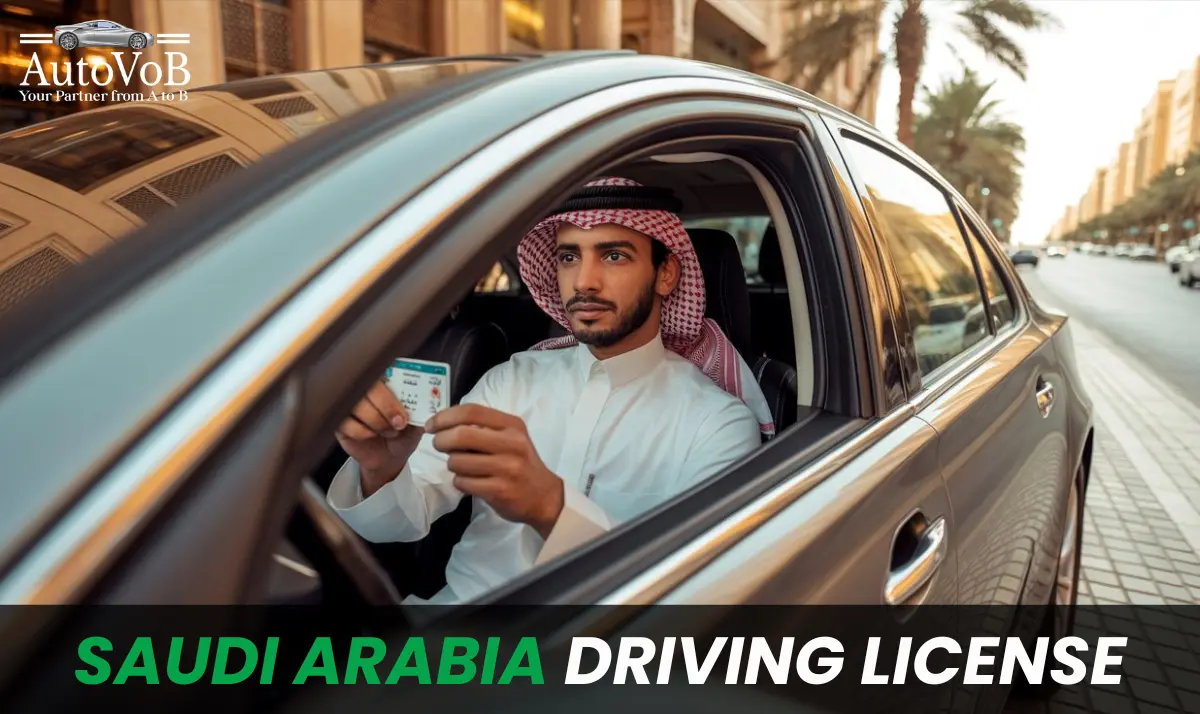
Driving in Saudi Arabia is more than a convenience; it’s often a necessity. The Kingdom’s vast geography and limited public transport options make owning a car the most practical way to get around. That means having a Saudi Arabia driving license isn’t just a formality—it’s your gateway to independence and mobility.
But here’s the thing: getting that license requires you to understand the process clearly, meet eligibility rules, and prepare properly for the tests. Whether you’re a Saudi national, an expat working in the Kingdom, or someone moving here soon, this guide will walk you through everything that matters.
Why the Saudi Arabia Driving License Matters
The KSA driving license is recognized nationwide and is legally required if you want to operate a vehicle. Beyond that, it can serve as an official form of ID in many situations. Expats who hold licenses from their home countries often wonder if they can use them here. While international licenses are accepted for short-term visits, long-term residents need to switch to or obtain a Saudi license to comply with the law.
What this really means is: if you plan to live or work in the Kingdom, getting the license early makes life easier.
Who Can Apply?
Eligibility depends on your status:
- Saudi Nationals: Citizens can apply once they meet the age requirement, typically 18 years for private licenses.
- Expatriates: Residents must hold a valid residence permit (Iqama) and meet age requirements. Some professions might also require additional approvals.
- Visitors: Tourists can drive temporarily using an international license but must transition to a local one for extended stays.
Requirements for a Saudi Arabia Driving License
Here’s a breakdown of what you’ll usually need:
- Application form – Available online through Absher or at the driving school.
- Valid Iqama (for expats) – Proof of legal residence.
- Medical report – A health check covering eyesight and overall fitness to drive.
- Passport and visa copies (for expats).
- Photographs – Typically passport-size.
- Payment of fees – These vary depending on the validity period (2, 5, or 10 years).
Role of Driving Schools in Saudi Arabia
You can’t overlook the importance of professional training. Saudi authorities emphasize proper preparation, and that’s where driving schools come in.
Saudi Aramco Driving Center
The Saudi Aramco Driving Center is known for its structured programs, especially for those connected to the oil industry. It combines theory classes with simulator training and on-road practice. Students here benefit from strict safety standards, which reflect Aramco’s overall culture.
Saudi Driving School
In major cities like Riyadh and Jeddah, Saudi driving schools provide both male and female candidates with lessons. Since 2018, when women were officially allowed to drive in the Kingdom, these schools have expanded rapidly, offering flexible schedules and multilingual instructors.
Steps to Get Your Saudi Arabia Driving License
Let’s break it down:
- Medical check: Complete a medical test at an approved clinic.
- Application submission: Register via the Absher portal or directly at a driving school.
- Theory lessons: Cover traffic laws, signage, and safe driving practices.
- Written test: Usually computer-based, testing your knowledge of the highway code.
- Practical training: On-road practice sessions with certified instructors.
- Driving test: Includes maneuvering, parking, and on-road assessment.
- Issuance of license: Once you pass, pay the license fee and collect your official card.
Manual vs Automatic License in Saudi Arabia
One thing many expats don’t realize is that Saudi Arabia issues two types of private driving licenses: manual and automatic. Choosing the right one depends on what you plan to drive.
- Automatic License: This is the most common option, especially in cities. Cars with automatic transmission dominate the roads, and the test is generally considered easier. However, this license legally restricts you to driving automatic cars only.
- Manual License: A bit harder to obtain since the test is stricter and requires better vehicle control. But here’s the benefit: a manual license allows you to drive both manual and automatic vehicles. It’s a smarter choice if you think you might drive pickups, older cars, or heavy-duty vehicles where manual transmission is still common.
Which one should you choose?
If you’re an expat who only plans to drive around Riyadh, Jeddah, or Dammam in a family car, an automatic license will do just fine. But if your job involves fleet driving, logistics, or working in industries like oil and construction, the manual option gives you more flexibility.
Common Mistakes to Avoid
Plenty of applicants fail their first attempt. Here are a few pitfalls to watch for:
- Overlooking road signs: Memorize key signs; they often appear in the written test.
- Poor parking skills: Parallel and angle parking are part of the exam—practice them thoroughly.
- Nervousness on test day: Treat it like another lesson. Confidence and calmness go a long way.
- Skipping theory prep: Don’t assume you’ll wing it; preparation matters.
Costs and Validity
License fees in Saudi Arabia vary by duration:
- 2-year license: lower fee, ideal if you’re unsure how long you’ll stay.
- 5-year license: more economical for mid-term residents.
- 10-year license: best for long-term expats or citizens.
There are also additional costs for training sessions, medical checks, and test resits if needed.
Driving in Saudi Arabia: Cultural and Practical Notes
Saudi roads are modern and well-maintained, but traffic behavior can surprise newcomers. Expect high speeds on highways and keep a close eye on roundabouts. Mobile phone use while driving is strictly penalized, and seatbelts are mandatory.
Here’s a practical tip: start driving in less congested areas first. Cities like Riyadh and Jeddah can be overwhelming for beginners, so building confidence in quieter zones is a smarter move.
FAQ on Saudi Arabia Driving License
- Can I use my international driving license in Saudi Arabia?
Yes, but only for a short period. Long-term residents must obtain a local license. - How long does the process take?
It depends on your preparation. With all documents ready, it can take anywhere from a few weeks to a couple of months. - Is the license valid outside Saudi Arabia?
Some Gulf countries accept the KSA driving license, but rules vary. Check with local authorities before driving abroad. - Do women need a separate process?
No. Since 2018, women follow the exact same procedure as men. - Can I exchange my home country license?
Certain countries have agreements allowing you to convert your license without a full test. Others require you to complete the full process. - Should I get a manual or automatic license?
Choose automatic if you only plan to drive personal cars in cities. Go for manual if you expect to drive both types of vehicles or need more flexibility.
Also Read: Car Brands in UAE: What People Are Really Buying and Why
Final Thoughts
Getting a Saudi Arabia driving license might seem like a long process, but it’s straightforward once you know the steps. The real key is preparation: complete your medical, enroll in a recognized driving school, and practice until you’re confident. With the right approach, you’ll secure your KSA driving license and gain the freedom to explore the Kingdom on your terms.