Sand Driving in Oman: Sharqiyah Sands Guide
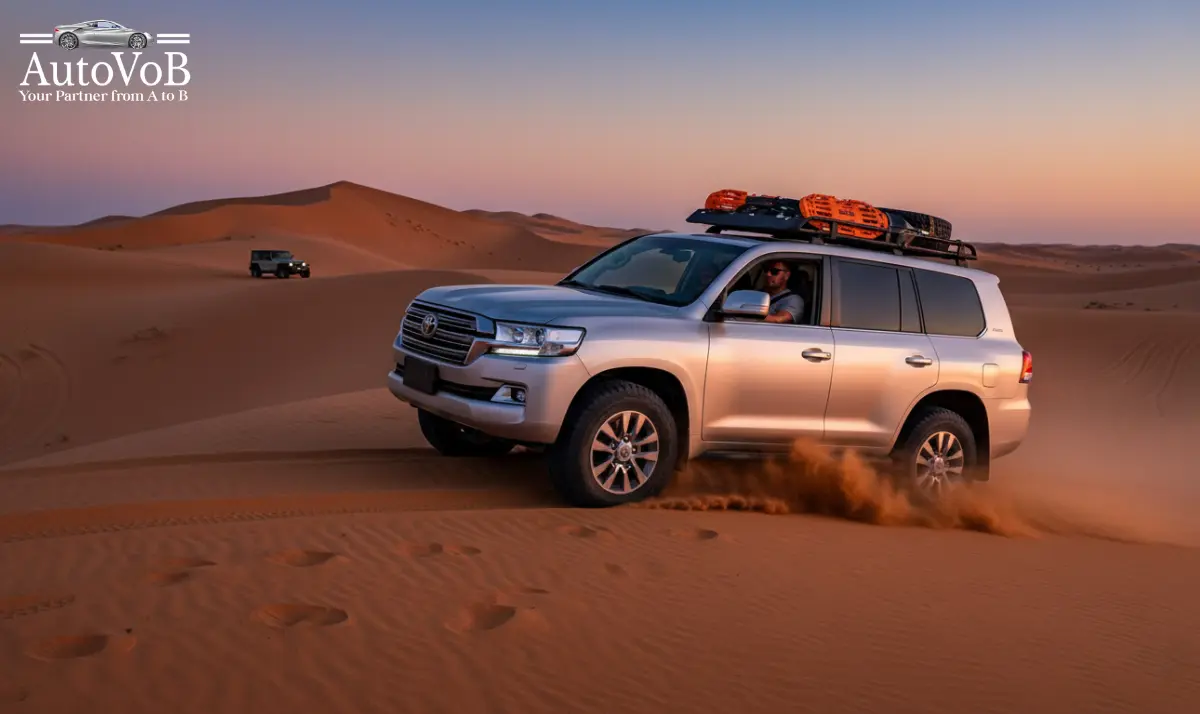
Ready for your first adventure in Oman’s Sharqiyah Sands? There’s nothing quite like the freedom of desert driving, endless dunes, raw landscape, and the sweet hum of a 4WD as you carve your own route. But diving into these sands for the first time brings a few unique challenges. Getting them right is the difference between making it memorable, or memorable for all the wrong reasons. Here’s the thing: this guide is for newcomers who want to avoid rookie mistakes and drive with confidence.
Why the Sharqiyah Sands?
Let’s start with location. The Sharqiyah Sands, often called Wahiba Sands, covers a massive swath of eastern Oman, about three hours from Muscat. These dunes are iconic, and perfect for first-timers because they offer accessible routes, manageable terrain, and plenty of entry points like Badiyah. Camps dot the area, so you’re never far from safety if you want a soft landing.
Vehicle Prep: The Basics Matter
Before hitting the dunes, a basic check on your vehicle’s condition is crucial. You’ll want a well-maintained 4x4, no exceptions. Inspect your tires, brakes, and fluid levels; desert terrain is unforgiving if you skip maintenance. Install solid recovery points (front and rear). These allow safe towing if things get sticky.
A full fuel tank is a no-brainer. The desert burns fuel faster than city driving thanks to softer terrain and frequent gear changes. Also, stash a spare tire and repair kit, sharp buried rocks and stray debris are all part of the landscape.
Tire Deflation: Your Traction Secret
Here’s what really separates desert driving from everything else: tire pressure. Drop it before you roll onto sand. For Sharqiyah’s conditions, aim for 15–20 psi, but sometimes lower, up to 12 psi, if the sand is super soft. This increases your tires’ footprint, letting them “float” over sand instead of digging in.
A tire deflator helps you set the pressure precisely, and an air compressor is necessary to reinflate afterward. Never drive off the sand with low tire pressure, or you’ll destroy your sidewalls on rocks and tarmac.
Driving Technique: Momentum Without Mayhem
Desert driving means keeping momentum steady. It’s not about speed; it’s about maintaining enough power to crest dunes without getting stuck or losing control. Use low-range gearing for more torque.
- Approach dunes head-on, square to your vehicle. Angled entries can tip you sideways, risking rollovers.
- Keep steer inputs gentle, especially with deflated tires, sharp turns can pop the bead.
- Always scout unfamiliar dunes on foot before driving; unexpected drops or soft patches can trap even seasoned drivers.
- Drive early morning or late evening when sand is firmer and temps are less brutal; midday brings powdery, loose sand and can overheat your vehicle.
- Switch off traction control to prevent wheels from binding and digging deeper when traction is lost.
The Right Recovery Gear: Don’t Leave Home Without It
Every desert trip demands recovery gear, no exceptions. Pack these essentials:
- Shovel: For digging out tires when you’re bogged down.
- Recovery boards (traction mats): Place under tires if you lose grip. Vital for solo drivers.
- Recovery straps and shackles: If you’re with a group, these let someone safely tow you out.
- Tire deflator and compressor: For adjusting pressure on the fly.
- Gloves: Basic protection for handling recovery gear.
- A winch (if you’re equipped): Useful for self-recovery in tricky spots.
- Water, snacks, and a basic first-aid kit: The heat is relentless.
Always check that your recovery kit is complete before you hit the sands. Lightweight, brightly colored traction boards work double-duty, they’re easier to spot and can serve as emergency shovels.
What to Do If You Get Stuck
It’s going to happen eventually, everyone gets stuck. The trick is to respond calmly and methodically.
- Step out, assess the situation. Don’t just gun the throttle, which will bury you deeper.
- If you haven’t already, lower your tire pressure further (down to 12–15 psi, but not below 10 psi unless necessary).
- Dig sand away from your tires using your shovel or traction boards.
- Place traction mats under your wheels.
- If you’re in a group, connect a recovery strap for a gentle tow. Solo? Use a winch, or even bury a spare tire as a sand anchor to pull yourself out.
- Don’t spin your wheels in panic. Controlled, gentle acceleration is key.
When you finally recover, re-inflate your tires before driving on firm terrain, and give yourself a minute to clear your head.
Avoiding Problems: Smart Choices
Here’s where common sense pays off. In desert driving, prevention means:
- Always travel in a group. Lone trips are risky, especially for beginners.
- Tell someone outside the desert your route and return time.
- Check the weather forecast. Sandstorms are no joke.
- Never crest a dune without checking the other side, it may have sudden drops or be much softer than expected.
- Bring plenty of water. Heat-related problems develop faster than you think.
- Don’t over-pack the vehicle. Excess weight increases the chances of sinking in softer sand.
Route Planning: Start Simple
Sharqiyah Sands offers plenty of beginner-friendly tracks with easy access from paved roads. Start with routes recommended by local guides or camps, these are popular for a reason, with manageable dunes and quick exits if needed. Avoid venturing deep into untracked areas until you gain experience. GPS devices, maps, and local advice are your best friends.
Also Read: Oman Automobile Association: The Heart of Oman’s Motoring World
Final Thoughts: Your First Crossing
Sand driving in Oman’s Sharqiyah Sands isn’t just about horsepower or bravado. The real skill is preparation, patience, and picking the right line when the going gets tough. With proper tire pressures, solid recovery gear, and steady momentum, you can enjoy an unforgettable drive and return home with both stories and your 4WD intact.
Every driver gets stuck at least once. The ones who learn, recover smartly, and respect the desert are the ones who keep coming back for more. So gear up, think ahead, and trust your prep, because nothing beats the rush of cruising over endless dunes with the confidence that you know what you’re doing.