Overview Of Pre-Owned Automobiles Market In Middle East Region
1. Market Growth and Demand Dynamics
The pre-owned vehicle sector in the Middle East has seen robust growth, spurred by several key factors:
- Affordability: Affordability is a major driver of the Middle East’s pre-owned car market, particularly among expatriates. With new cars losing 20-30% of their value in the first year, pre-owned vehicles offer significant savings and lower depreciation, making them a popular choice for budget-conscious buyers in countries like the UAE and Saudi Arabia..
- Expat Population: Nations such as the UAE, Qatar, and Saudi Arabia host substantial expatriate populations, many of whom opt for used vehicles given the temporary nature of their residency.
- Economic Conditions: Fluctuating oil prices and economic diversification initiatives under programs like Saudi Vision 2030 have led to increased demand for cost-effective mobility solutions, including used cars.
- Shifting Perceptions: Consumers are increasingly moving past the stigma of buying used cars. With certified pre-owned options and comprehensive vehicle history reports now available, trust in the quality and dependability of pre-owned vehicles has grown.
2. Key Markets in the Region
The Middle East is made up of distinct markets, each with its unique consumer behaviors and preferences. From the UAE to Saudi Arabia, Kuwait, and Bahrain, demand for pre-owned vehicles varies due to factors such as income, cultural influences, and infrastructure. For businesses seeking success in the pre-owned car sector, understanding these regional dynamics is essential:
- United Arab Emirates (UAE): One of the largest and most sophisticated used car markets. Dubai and Abu Dhabi are major hubs for pre-owned luxury vehicles, with a strong online marketplace and organized dealership networks.
- Saudi Arabia stands as the largest automotive market in the Middle East, with strong demand for pre-owned vehicles fueled by affordability, particularly among younger buyers. The market is dominated by pickup trucks and sedans, reflecting both practical needs and cultural preferences.
- Qatar, Oman, Kuwait, and Bahrain: Smaller but rapidly growing markets where pre-owned vehicles are gaining traction. High import taxes on new vehicles in some of these countries make used cars an attractive option.
- Egypt and Jordan: These North African and Levantine markets face more economic constraints, making affordability a prime driver. Egypt, in particular, has a thriving used car ecosystem due to high tariffs on new vehicle imports.
3. Types of Vehicles in Demand
There’s a broad spectrum of vehicle types in the Middle Eastern used car market, influenced by lifestyle, utility, and prestige:
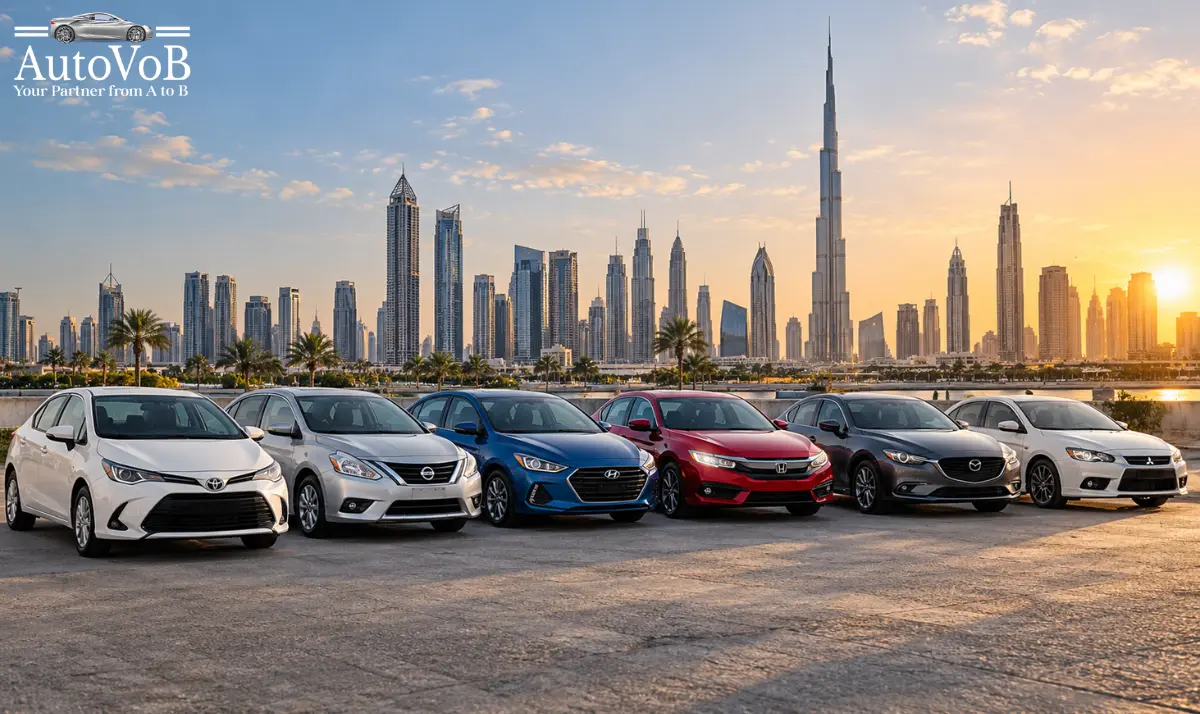
- Economy and Compact Cars: Brands like Toyota, Honda, and Hyundai are popular due to their reliability and low maintenance costs.
- SUVs and Crossovers: These are widely preferred across Gulf countries for their ability to handle desert terrain and provide spacious family transport.
- Luxury Vehicles: The UAE and Qatar lead in this category, where pre-owned luxury cars from brands like BMW, Mercedes-Benz, and Audi are readily available at reduced prices.
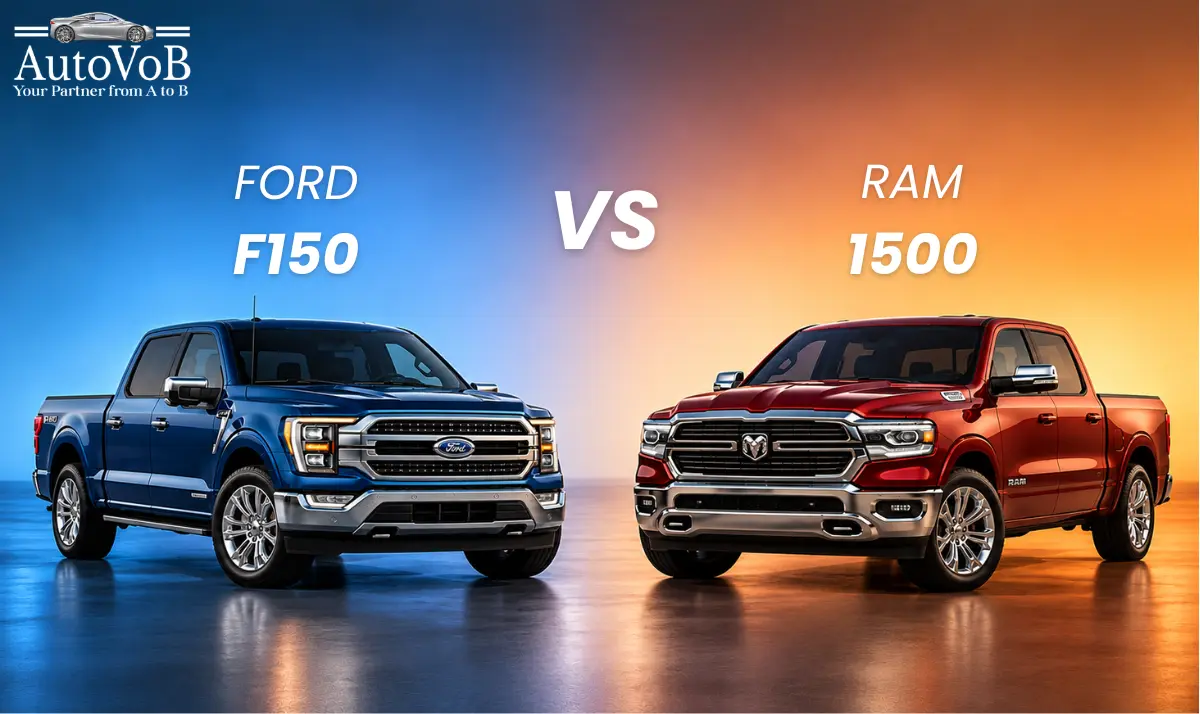
- Pickup Trucks and Commercial Vehicles: Especially popular in Saudi Arabia and parts of Oman, where utility and durability are essential for both personal and business use.
4. Sales Channels
The market is served by various channels, each catering to different buyer segments:
- Authorized dealerships, often affiliated with original equipment manufacturers (OEMs), offer certified pre-owned programs, warranty coverage, and detailed service histories, appealing to buyers who prioritize quality assurance and peace of mind.
- These dealers have a wide range of stock for different budgets and demands. Although their pricing is usually more competitive, quality standards can differ, so buyers must inspect vehicles thoroughly before making a purchase.
- Private Sellers: A large portion of transactions still happens between individuals. These deals often take place through word-of-mouth or online classifieds, where prices can be negotiated more freely.
- Online Marketplaces: Websites like Dubizzle (UAE), OpenSooq (region-wide), and Motory (Saudi Arabia) have transformed how buyers and sellers interact. Online platforms offer convenience, transparency, and access to a wider audience, often featuring search filters, valuation tools, and financing calculators.
5. Technological Advancements and Digital Transformation
Technology has significantly transformed the used car market in the Middle East, enhancing transparency, improving buyer confidence, and streamlining the purchasing process:
- Vehicle History Reports: Services like Carfax and local equivalents provide comprehensive reports on vehicle history, including accident records, service logs, and ownership details, boosting consumer confidence.
- Inspection and Certification Services: Companies now offer third-party vehicle inspection and certification services, helping buyers make informed decisions.
- E-Commerce Integration: Some platforms offer end-to-end solutions, including online booking, vehicle delivery, and return policies, much like e-commerce for consumer goods.
- Mobile Apps: The emergence of mobile-first platforms allows users to browse listings, compare prices, and schedule test drives, all from their smartphones.
6. Regulatory Environment
Government regulations and customs policies play a major role in shaping the pre-owned car market across Middle Eastern countries:
- Import Regulations: Countries like Saudi Arabia and Kuwait restrict the import of vehicles older than a certain age (e.g., 5 years). Others may impose high tariffs on imports to protect local industries.
- Pre-owned vehicles must typically undergo safety and emissions inspections before registration, helping to ensure that only roadworthy and compliant vehicles enter the market.
- Ownership Transfers: Authorities in most countries have streamlined the process of transferring vehicle ownership, often requiring minimal documentation and enabling online submissions.
- Insurance and Taxes: Comprehensive insurance coverage is mandatory in most countries, and pre-owned car buyers must factor in annual registration costs and vehicle-related taxes.
7. Financing and Insurance Options
Easier access to finance and insurance is driving further expansion in the pre-owned vehicle market.
- Auto Loans: Banks and financial institutions offer competitive financing for used cars, although the interest rates may be slightly higher than for new vehicles. Loan tenure and approval depend on the age and condition of the vehicle.
- Islamic Financing Options: Sharia-compliant financing models such as Murabaha are available for Muslim buyers across the region.
- Insurance Products: Comprehensive and third-party insurance plans are available through both traditional and digital channels. Some dealerships offer bundled insurance and registration services for added convenience.
8. Challenges Facing the Market
The market shows great promise, but hurdles remain to be addressed:
- Price Volatility: Fluctuations in demand and supply, especially due to global economic shifts or disruptions in new car production (like the global chip shortage), can affect used car prices.
- Consumer Trust: Despite improvements, some buyers still hesitate due to concerns over hidden defects, odometer tampering, or lack of warranties.
- Market Fragmentation: The dominance of unorganized sellers and private deals means there is less consistency in pricing, quality assurance, and after-sale service.
- Regulatory Inconsistencies: Varying rules across different countries or even emirates/states within a country (e.g., UAE) can confuse cross-border buyers and sellers.
9. Future Outlook
The future of the pre-owned car market in the Middle East looks optimistic, with several promising trends on the horizon:
- Consolidation and Organization: Larger dealerships and auto-tech startups are gradually bringing order and professionalism to the sector.
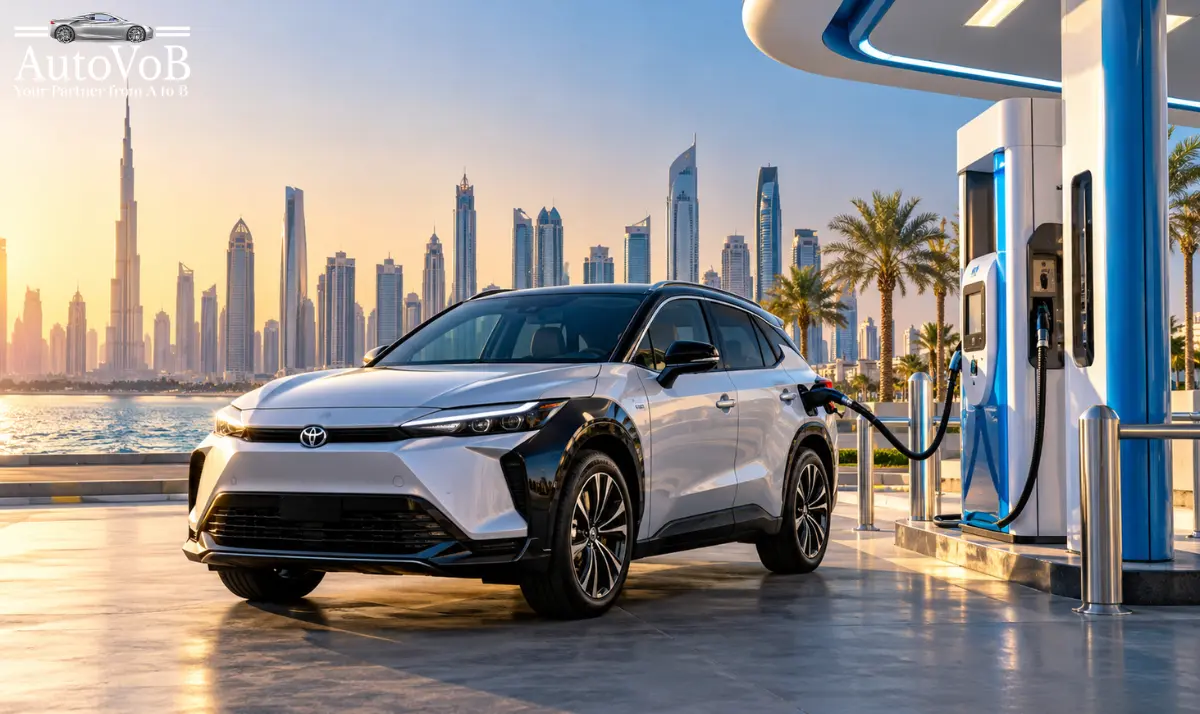
- Electric and Hybrid Vehicles: As countries in the region commit to sustainability goals, used EVs and hybrids are expected to gain popularity.
- Cross-Border Transactions: Improved logistics, digital platforms, and regulatory alignment may facilitate more regional vehicle trade, especially among GCC countries.
- Subscription and Lease-to-Own Models: Innovative ownership models are emerging, allowing consumers to use vehicles for a fixed monthly fee with maintenance, insurance, and registration included.
Conclusion
The Middle East’s pre-owned automobile market is rapidly growing, driven by affordability, advanced infrastructure, and rising consumer trust. As the sector matures, it offers strong opportunities for investors, entrepreneurs, and car buyers alike.
FAQs
1. Why is the pre-owned car market growing in the Middle East?
The market is expanding due to affordability, high expatriate population, and economic factors. Buyers prefer used cars because they offer lower depreciation, better value for money, and improved reliability with certified programs.
2. Which countries dominate the used car market in the Middle East?
The UAE and Saudi Arabia lead the market. The UAE is known for luxury pre-owned cars, while Saudi Arabia has strong demand for pickups and sedans. Other countries like Qatar, Kuwait, and Egypt are also growing steadily.
3. What types of used vehicles are most popular in the region?
Economy cars, SUVs, and luxury vehicles are highly popular. Pickup trucks are especially in demand in Saudi Arabia, while compact cars dominate in more price-sensitive markets like Egypt.
4. How has technology impacted the pre-owned car market?
Technology has improved transparency and convenience. Buyers can access vehicle history reports, book inspections, compare prices online, and even complete purchases through digital platforms and mobile apps.
5. What challenges does the Middle East used car market face?
Key challenges include price fluctuations, lack of trust in some private sales, market fragmentation, and varying regulations across different countries, which can complicate transactions.
For more such informative blogs, keep following AutoVoB blogs