How Women’s Car Ownership Is Rising in UAE & Saudi
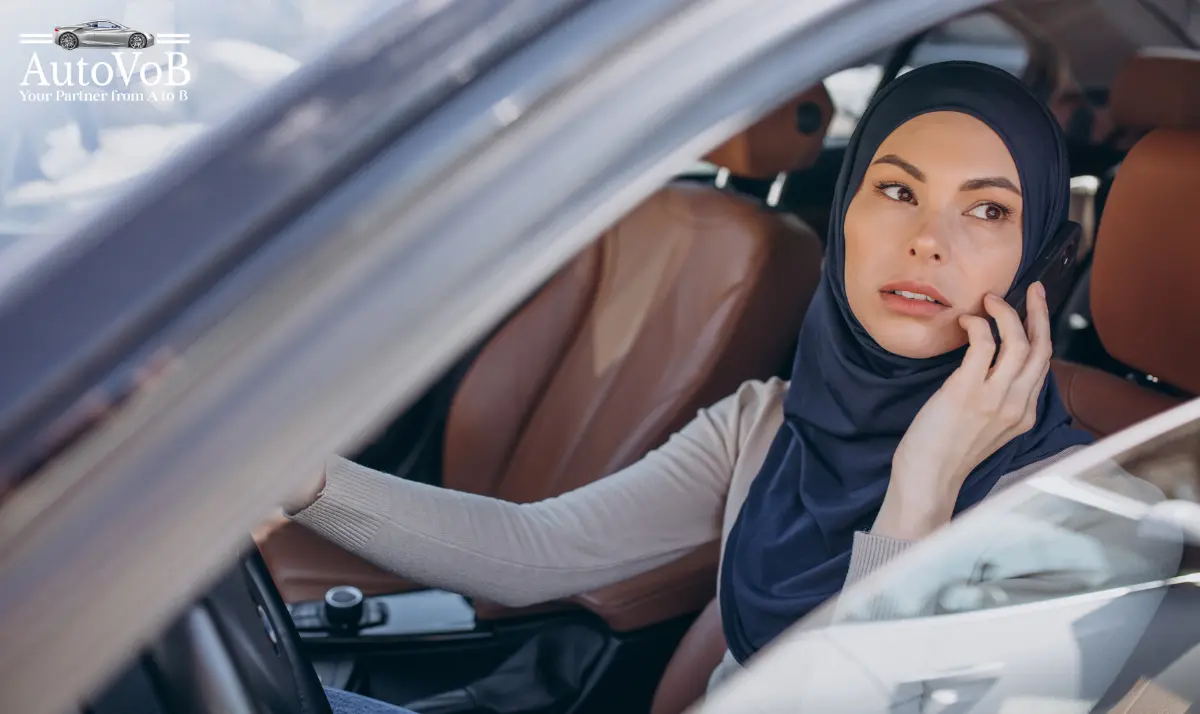
Car ownership among women in the UAE and Saudi Arabia is reaching levels that were unimaginable just a decade ago, and the story isn’t as simple as headlines make it seem. The landscape of who drives and why is changing, right along with the rules of society, urbanization, and what it means to be independent. Let’s break it down with facts, some practical advice, and a look at which cars actually make sense for women in these countries.
What’s Fueling Women’s Car Ownership Growth?
You can’t talk about women and cars in the Gulf without touching on what changed in Saudi Arabia just seven years ago. In 2018, the historic lifting of the driving ban let millions of Saudi women get behind the wheel, legally and publicly, for the first time. But the UAE has always been a few steps ahead in terms of female empowerment, and it’s an entirely different market.
Here’s the thing: it’s not just about regulations. There’s a real appetite for mobility and independence among young women in major cities like Riyadh, Dubai, and Jeddah. Urban life demands flexibility, and with the rise of women joining the workforce, car ownership isn’t a luxury, it’s a tool. Employers now expect their staff to be mobile, and commuting by metro or bus isn’t practical for many professionals.
Saudi Arabia saw a leap in women drivers almost immediately after the driving ban was scrapped. Car sales to female customers rose as much as 60% in some regions, according to national automotive trade groups. Showrooms in Riyadh and Jeddah began hiring female sales consultants to better understand what women want, and to create spaces where women felt comfortable seeking information and negotiating deals.
In the UAE, the numbers are telling a different kind of story. Women already made up more than 35% of all drivers by 2021, and the figure keeps climbing as more expatriate families settle and more local Emirati women enter the workforce. There’s also a shift in how cars are marketed: automakers now tailor options and colors to appeal to female buyers, and social media campaigns highlight real customer stories, not just glossy adverts.
Why Is This Change Happening Now?
In both markets, government policy and industry trends converge. In Saudi Arabia, Vision 2030 seeks to empower women across economic sectors, and the car is literally the vehicle of this ambition. Beyond simply being allowed to drive, more Saudi women now have access to financial services, including loans and dealership financing, making the process of buying and owning a car accessible.
For UAE residents, the story is often about urban convenience and status. Many expat women who relocated for work or family found that public transport is limited outside city centers, and renting taxis daily gets expensive and inconvenient. Dubai in particular has made vehicle registration and licensing for women more streamlined, reducing some bureaucratic hurdles that previously slowed ownership rates.
But don’t miss the cultural shift. Social expectations are changing. Where it used to be frowned upon for women to drive alone, now it’s celebrated as a sign of ambition and self-reliance. This cultural embrace of female mobility is why we’re seeing more driving schools catering to women, more female instructors, and even insurance products designed specifically for female drivers.
What Types of Cars Are Women Buying?
Let’s talk about the actual choices. It’s easy to stereotype and say women only buy small or “cute” cars, but those assumptions don’t line up with what dealerships and leasing companies report.
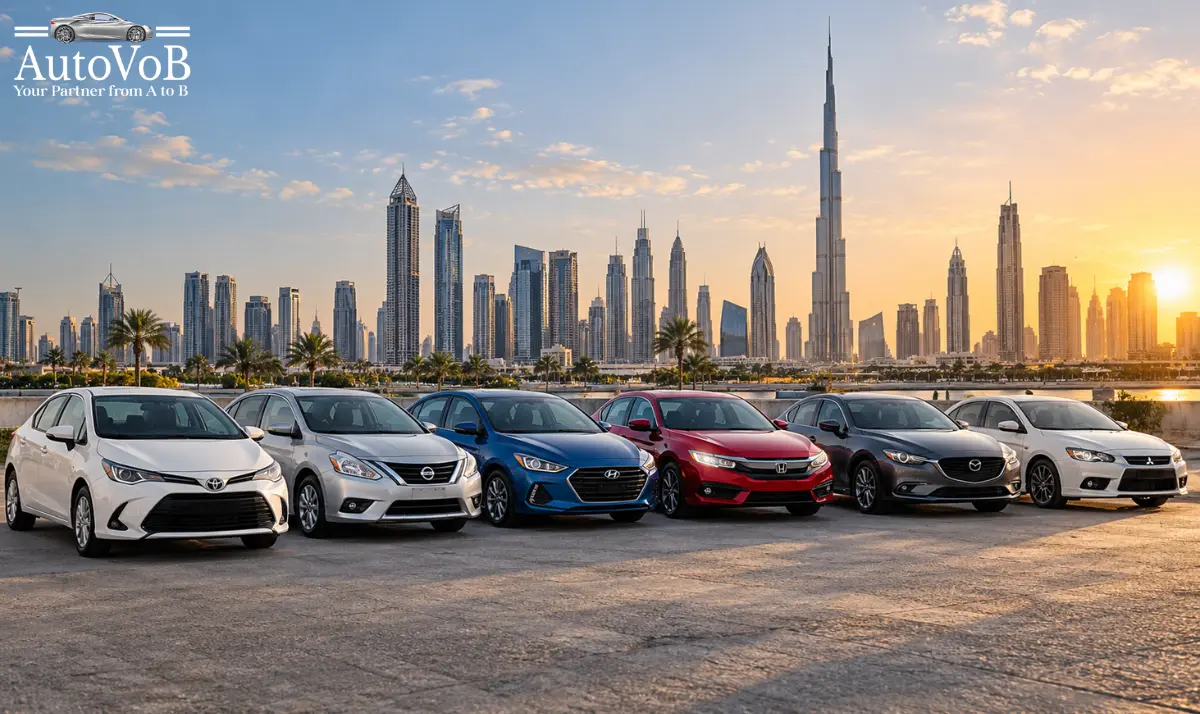
In Saudi Arabia, compact SUVs and sedans are the most popular choices among female buyers. Think Toyota Yaris, Honda Civic, Hyundai Elantra, as well as SUVs like Nissan Kicks and Toyota Corolla Cross. Safety, fuel efficiency, and ease of maintenance rank high on priority lists. Practicality beats flash every time, and local roads are best suited to vehicles that handle well in mixed driving conditions, especially for new drivers.
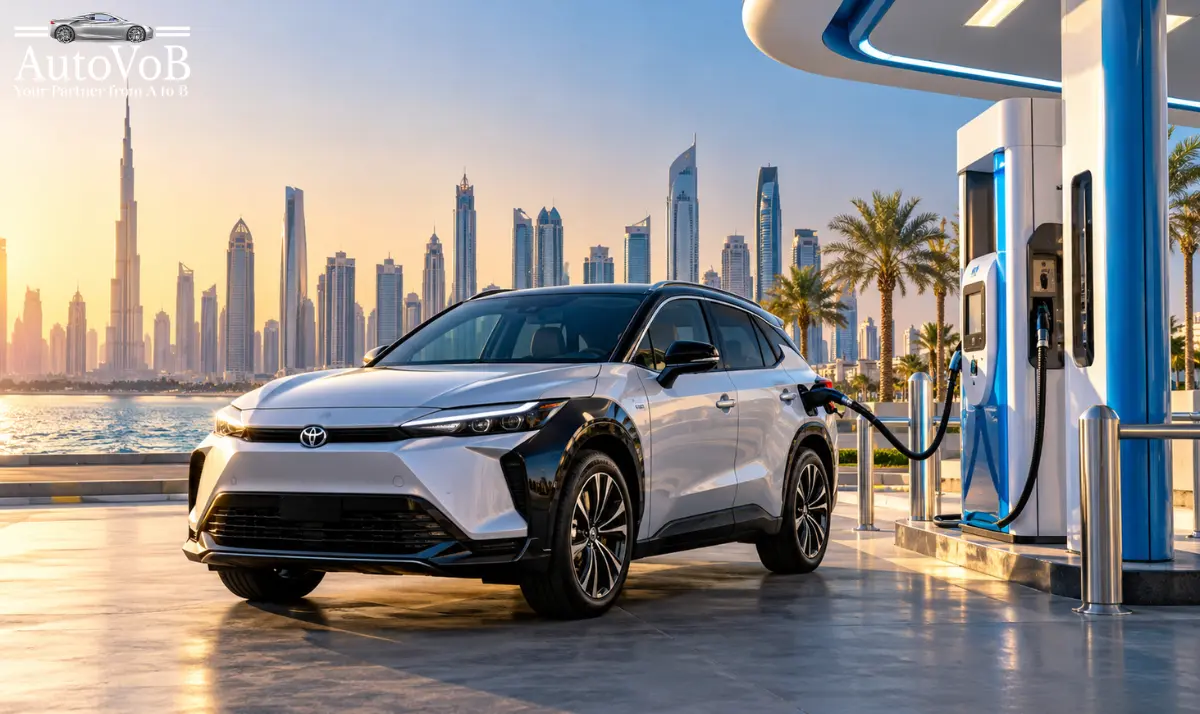
The UAE market is a bit more diverse. Expat women, especially those from Europe or North America, often gravitate towards smaller hatchbacks for city driving, but SUVs like the Nissan X-Trail and Toyota RAV4 are common for families. The surge in electric and hybrid car sales, especially among city professionals, is noteworthy, Tesla and MG ZS EV are seeing strong uptake among young female buyers wanting lower running costs and environmental impact.
How Dealerships Are Adapting
What this really means is that dealerships and manufacturers have had to reinvent how they present cars. Female-friendly showrooms, more approachable financing terms, and staff who are able to understand and respond to specific questions, all these have become normal in Riyadh, Jeddah, Dubai, and Abu Dhabi.
Digital-first approaches have also helped. Women who once felt uncomfortable entering a male-dominated showroom now do their initial research online, comparing models, specs, and prices. Online reservation and home delivery mean many women buy without ever setting foot in a dealership. This has helped boost ownership rates even higher.
The Impact Beyond the Showroom
There’s more here than market share. The visibility of women driving on GCC roads is already shifting public perceptions about gender roles. Social media is full of stories from women who bought their first car, passed their driving test, and now serve as role models for their sisters and daughters.
Insurance companies, usually slow to adapt, have started rolling out “women’s only” car insurance policies, which tout benefits like lower premiums and improved customer service. More broadly, driving is associated with opportunities for travel, education, and employment that many women in previous generations simply didn’t have.
Best Cars for Women in UAE and Saudi Arabia
If you’re thinking about getting a car, or just want to know which ones work best for women in these markets, here’s a practical list based on popularity, reliability, and suitability for local driving.
Popular compact cars:
- Toyota Yaris: Affordable, reliable, easy to park in city spaces, with great resale value.
- Honda Civic: Efficient, safe, and a bit sportier, which many younger buyers appreciate.
- Hyundai Elantra: Known for comfort, tech features, and economical pricing.
- Nissan Sunny: Stands out for maintenance ease and good visibility for new drivers.
Top SUV picks:
- Nissan Kicks: Compact, agile, well-equipped, ideal for urban and suburban driving.
- Toyota Corolla Cross: Appeals for safety features, fuel economy, and ease of handling on highways and city roads.
- Toyota RAV4: Spacious, reliable, recommended for both solo commuters and family drivers.
- MG ZS EV: For those who want electric, with low running costs and a modern look gaining popularity in UAE cities.
Electric cars and hybrids:
- Tesla Model 3: Progressive, stylish, and loaded with technology, increasingly favored by urban professionals in Dubai and Abu Dhabi.
- MG ZS EV: One of the most accessible electric SUVs on the regional market, suitable for city use and short commutes.
These cars aren’t “just the best cars for women”, they’re simply the ones women in the GCC actually buy and keep recommending to each other.
Also Read: Top Used Car Models in Saudi Arabia 2025: Buyer’s Guide
What Does the Road Ahead Look Like?
Here’s what stands out. Car ownership among women in Saudi Arabia and the UAE isn’t just a trend, it’s a reflection of how rapidly these societies are changing. It means independence, access, and ambition. The implications show up everywhere, from showrooms and insurance offices, to the way families make weekend plans.
Expect this shift to accelerate. As more women enter the workforce, go to college, and start businesses, their mobility will only grow. And as roads, urban spaces, and policies adapt, the list of best cars is likely to evolve. For now, though, the vehicles listed above remain smart, reliable, and popular picks.
If you’re looking for your first car, treat the purchase seriously, do your homework, gauge the value, and talk to others who’ve made the leap. The market is open, options are vast, and whether you’re in Riyadh, Jeddah, Dubai, or Abu Dhabi, your keys are waiting.