Dos and Don’ts of Driving a Manual Car Safely
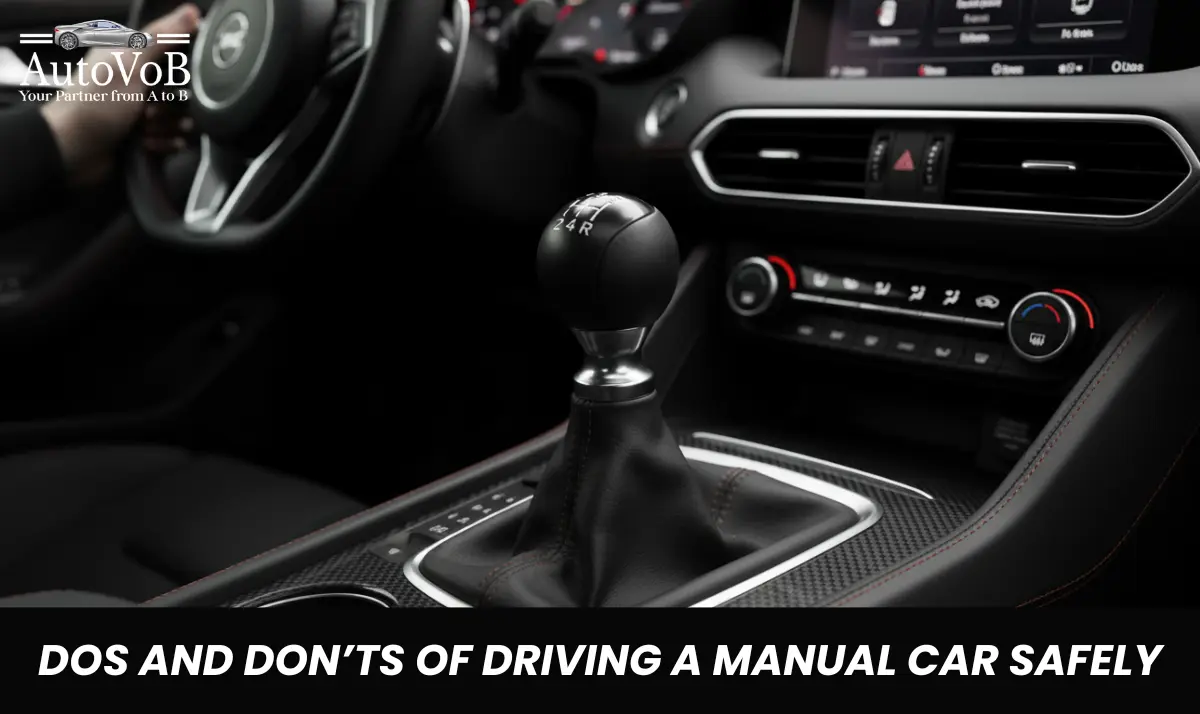
Driving a manual car demands more awareness and coordination than an automatic. That’s why experienced drivers often say that a manual teaches you how a car truly behaves under your control. The skill is rewarding, but it only pays off when you follow the right habits and avoid the wrong ones. Let’s break down the essential dos and don’ts of driving a manual car so you protect your engine, improve control and build long-term confidence behind the wheel.
The Dos of Driving a Manual Car
Do master smooth clutch control
Smooth clutch control is the backbone of manual driving. The clutch links and disconnects the engine from the wheels, so any abrupt release sends a jolt through the drivetrain. What this really means is that developing a feel for the bite point helps you start without jerks, roll forward cleanly in traffic and avoid unnecessary strain on the clutch plate.
A well-timed release paired with gentle throttle input improves the lifespan of the clutch assembly. Manufacturers and driving experts consistently point out that most premature clutch wear comes from poor engagement technique, not mechanical faults.
Do shift gears at the right RPM
Many new drivers shift either too early or too late. Both choices reduce the engine’s efficiency and smoothness. The ideal shift timing varies between cars, but a general rule is to upshift between 2000–3000 rpm for petrol engines and around 1500–2500 rpm for diesel engines.
Here’s the thing: shifting at the right rpm gives you better fuel economy, quicker response and less engine strain. It also helps keep emissions low, especially when driving in stop-start conditions common in city traffic.
Do use the handbrake for hill starts
If you rely only on the clutch to hold the car on an incline, you’re burning the friction plate without realizing it. Using the handbrake during hill starts makes the process controlled and stress-free. You release the handbrake gradually as you reach the bite point and add throttle. This technique prevents rollbacks and protects the drivetrain.
Drivers who get comfortable with this method notice sharper takeoffs and less panic when facing steep ramps in parking lots or flyovers.
Do match your gear to your speed
A manual car doesn’t forgive mismatched gears. Using a gear that’s too high at low speed causes the engine to lug. A gear that’s too low at high speed pushes the revs into unnecessary stress. Matching speed to gear keeps the engine in its optimal power band and gives you better command of acceleration.
Think of it as maintaining a conversation between the engine and the road. When both are aligned, the drive feels natural.
Do use engine braking when appropriate
Engine braking helps you slow down without riding the brake pedal. Downshifting at the right time helps maintain stability, especially while descending slopes or approaching traffic. The compression resistance in the engine naturally reduces speed, reducing brake fade and improving control.
This doesn’t replace the brake pedal, but it supports it. A balanced mix of both gives you smoother deceleration.
Do listen to the engine
Every engine has its own acoustic cues. Over time, you’ll learn the sound of a comfortable rpm range and when the car is asking for a shift. Paying attention to these sounds helps you drive intuitively and respond quicker than relying only on the tachometer.
Experienced manual drivers often shift based on sound alone, and this comes from steady practice.
The Don’ts of Driving a Manual Car
Don’t rest your foot on the clutch pedal
One of the most common mistakes manual drivers make is riding the clutch. Even light pressure partially engages the clutch plate, causing it to slip. This leads to accelerated wear, overheating and reduced performance.
The fix is simple: keep your left foot away from the clutch pedal entirely unless you’re changing gears or managing a slow crawl.
Don’t keep your hand on the gear lever
This might look harmless, but the weight of your hand puts pressure on the selector forks inside the gearbox. Over time, this causes wear and imprecise gear shifts. The proper hand position is always back on the steering wheel after each gear change.
Better steering control and a healthier gearbox go hand in hand.
Don’t use the clutch to hold the car on slopes
Using the clutch to keep the car stationary on an incline is one of the quickest ways to burn a clutch plate. The friction never gets a break, and the smell of a heated clutch often shows up sooner than expected.
Use the handbrake instead. Your car will thank you later.
Don’t shift without fully pressing the clutch
Partial clutch depression keeps the gears half-engaged, which damages the synchromesh rings and increases grinding. A clean shift requires a fully pressed clutch pedal followed by a precise gear change.
If the shift feels resistant, don’t force it. Forcing gears is a direct path to gearbox trouble.
Don’t coast in neutral
Many drivers think coasting in neutral saves fuel, but modern engines are built differently. Most fuel-injected cars cut fuel supply entirely when decelerating in gear. Coasting in neutral removes engine braking, reduces control and can increase stopping distances.
Staying in gear keeps the car more predictable and responsive.
Don’t skip too many gears unless you understand rev matching
Skipping gears is possible, but only if you understand how to rev match. Dropping from a high gear to a much lower gear without raising rpm induces shock through the drivetrain. It stresses components and destabilizes the car, especially at higher speeds.
Unless you’re trained or experienced, stick to sequential shifting.
Don’t rest on the clutch at traffic lights
Holding the clutch down during long signals overheats the pressure plate and release bearing. It’s always better to move to neutral and use the handbrake.
This tiny habit extends the entire clutch system’s lifespan.
Practical Tips to Improve Manual Driving Skills
Practice smooth starts
Use an empty parking lot to practice the bite point and throttle control. The more familiar you get with smooth starts, the less likely you’ll stall or jerk in tight city traffic.
Watch the road, not the gear lever
Your hand should reach the right gear instinctively. This builds muscle memory and keeps your focus on the road.
Stay patient in traffic
Manual cars demand frequent clutch work in congested areas. Maintain safe spacing and drive at a steady pace to avoid constant shifting and clutch use.
Service the clutch and gearbox on time
A slipping clutch, hard shifting or grinding noises shouldn’t be ignored. Addressing these early prevents costlier repairs later.
Also Read: The Ultimate Guide to Manual vs. Automatic Transmission Cars
Final Thoughts
Driving a manual car is a skill that combines timing, mechanical awareness and rhythm. Once you understand the dos and don’ts, the process feels natural and rewarding. Mastering clutch control, shifting at the right moment and treating the drivetrain with care gives you more control and a longer-lasting vehicle. Whether you drive daily or occasionally, these habits keep your engine, clutch and gearbox in their best shape.