Differences Between Premium, Luxury and Ultra Luxury Cars
The terms premium, luxury, and ultra luxury get used casually, often interchangeably. That creates confusion, especially for buyers trying to understand what they are actually paying for.
These categories are not marketing fluff. They reflect real differences in design philosophy, engineering priorities, ownership experience, and brand intent. Once you see how they diverge, it becomes much easier to decide where you belong.
Let’s break it down clearly, with real brand examples and no hype.
Why Car Brands Use These Segments
Automotive brands segment their cars to match different expectations.
Some buyers want refinement over regular cars but still care about value and practicality.
Some want comfort, prestige, and a sense of achievement.
Some want exclusivity, craftsmanship, and something that feels personal and rare.
Premium, luxury, and ultra luxury exist because those expectations are not the same.
Premium Cars Explained
Premium cars sit between mass market vehicles and true luxury cars. They focus on better quality, stronger performance, and modern features, without stepping into extravagance.
What Defines a Premium Car
Materials and build quality
Interiors use higher grade plastics, leather or leatherette upholstery, and cleaner finishes. Everything feels solid and well assembled, though not handcrafted.
Technology focus
Large infotainment screens, digital instrument clusters, advanced driver assistance systems, and connected features are standard expectations. Premium brands often lead with tech adoption.
Driving character
These cars balance comfort and sportiness. Engines are refined but responsive. Handling feels confident without sacrificing daily usability.
Ownership model
Servicing is standardized. Customization is limited to trims, colors, and optional packages.
Examples of Premium Car Brands
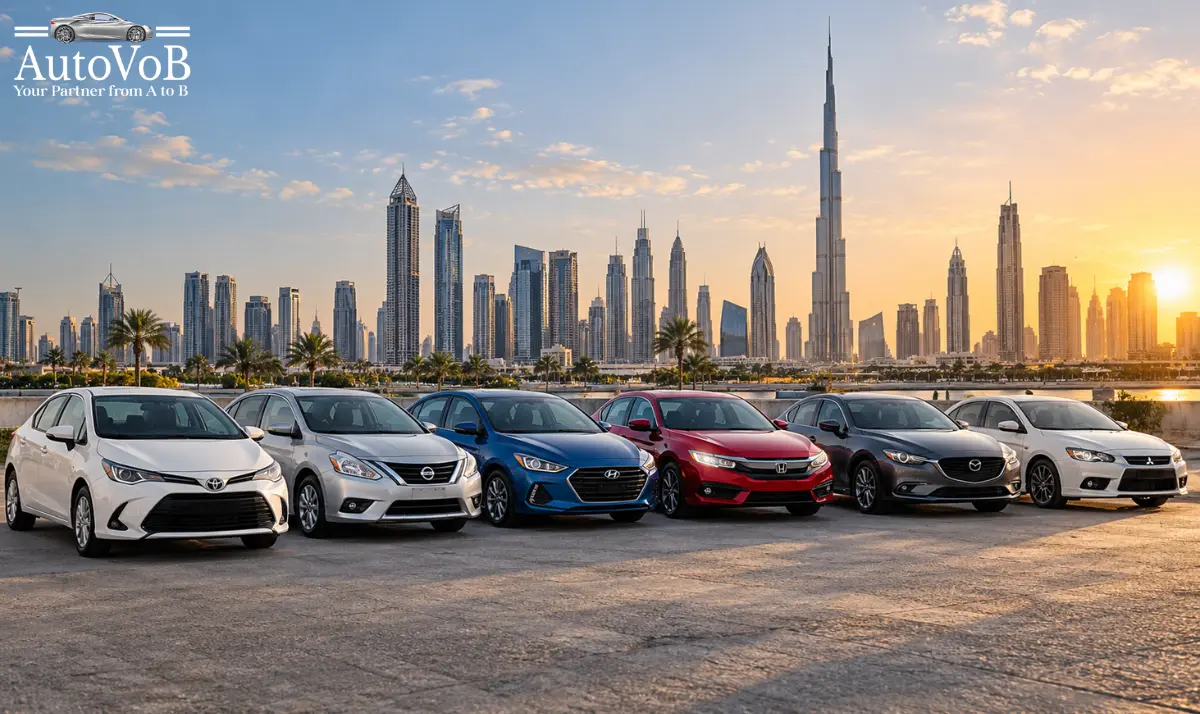
Commonly accepted premium brands include:
- BMW
- Audi
- Mercedes Benz
- Volvo
- Lexus
- Acura
Many models from these brands blur the line upward, but as a segment, they emphasize performance, technology, and refinement rather than pure indulgence.
Who Premium Cars Are For
Buyers upgrading from mainstream cars who want better driving dynamics, stronger brand value, and modern interiors, without extreme ownership costs.
What Separates Luxury Cars from Premium
Here’s the thing. Luxury is not about more features. It is about how the car makes you feel when everything else fades away.
Luxury cars shift focus from technology and performance metrics to comfort, craftsmanship, and presence.
Core Characteristics of Luxury Cars
Interior craftsmanship
You get real leather, fine wood, metal accents, and thoughtful textures. Design choices feel intentional rather than decorative.
Ride comfort and isolation
Suspension systems prioritize smoothness. Cabin insulation reduces noise, vibration, and harshness to a level premium cars rarely reach.
Refined power delivery
Engines are powerful but effortless. Acceleration feels calm, not aggressive. The car never feels stressed.
Brand heritage and perception
Luxury brands carry long standing identities. Design language evolves slowly, maintaining recognition and status.
Enhanced ownership experience
Concierge like service, longer warranties, and more attentive customer care are part of the package.
Examples of Luxury Car Brands
Luxury brands typically include:
- Mercedes Benz, higher end models
- BMW, higher end models
- Audi, flagship sedans and SUVs
- Jaguar
- Genesis
- Cadillac
These brands focus on comfort, elegance, and prestige rather than just sporty appeal.
Who Chooses Luxury Cars
People who value comfort, brand image, and a sense of arrival. These cars often suit executives, professionals, and families who want their vehicle to feel like a personal retreat.
Ultra Luxury Cars, Where Cars Become Art
Ultra luxury cars operate in a completely different space. They are not designed to compete on spec sheets or value comparisons.
What this really means is that individuality, craftsmanship, and exclusivity take center stage.
Defining Traits of Ultra Luxury Cars
Hand built production
Many ultra luxury cars are assembled largely by hand. Skilled artisans shape interiors, finishes, and details that machines cannot replicate.
Deep personalization
Buyers can customize nearly everything. Paint finishes, interior themes, stitching styles, veneers, headliners, and bespoke elements can be created for a single car.
Exceptional interior environment
Cabins feel like private lounges. Silence is near absolute. Seating comfort is engineered for long distance relaxation rather than posture alone.
Power as authority
Engines are large and smooth. Performance exists to convey presence and confidence, not speed figures.
Extreme exclusivity
Production volumes are low. Some cars are built only after an order is placed. Ownership itself becomes rare.
Examples of Ultra Luxury Car Brands
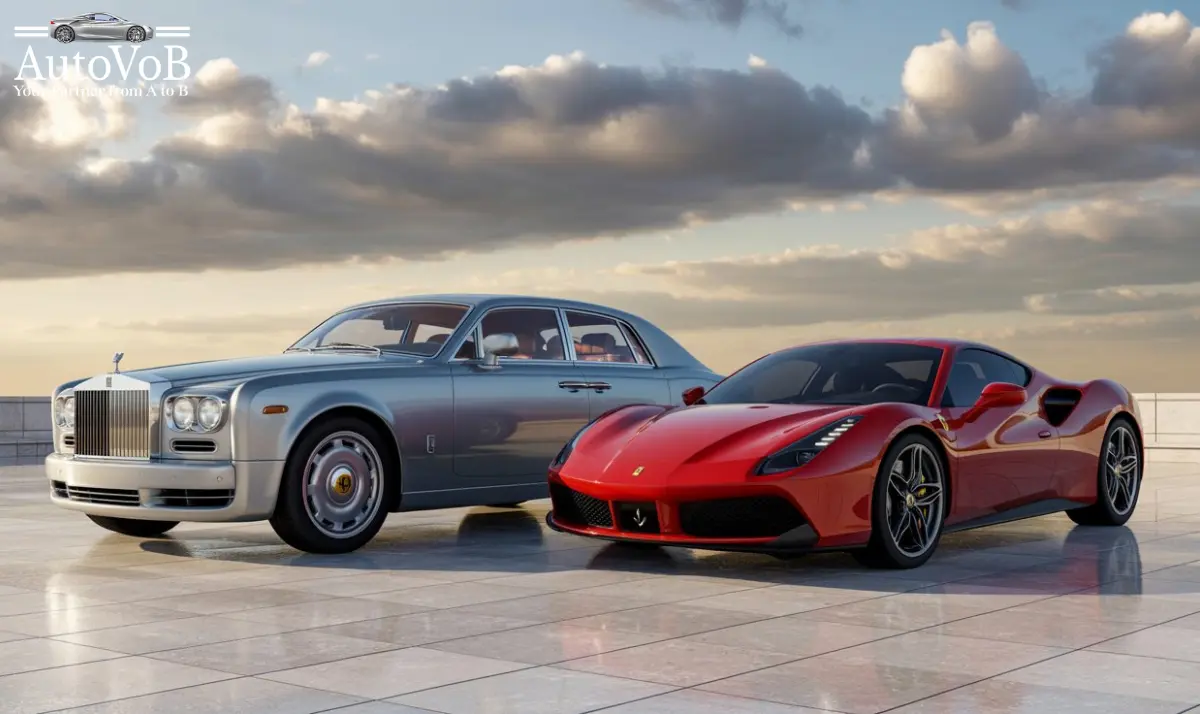
Ultra luxury brands include:
- Rolls Royce
- Bentley
- Maybach
- Aston Martin, flagship models
- Ferrari, for grand tourers
- Lamborghini, for high performance luxury
While some of these brands lean toward performance, they all share a focus on exclusivity, craftsmanship, and emotional appeal.
The Ultra Luxury Buyer
These buyers are not looking for practicality or value. They want a car that reflects their identity, success, and personal taste. For many, the car is as much an heirloom as a vehicle.
Design Philosophy Across the Segments
Design reveals a lot about intent.
Premium cars favor modern, sporty styling. Bold grilles, sharp lines, and aggressive proportions attract attention.
Luxury cars lean toward elegance and restraint. Proportions are balanced. Design feels calm and confident.
Ultra luxury cars prioritize timelessness. Designs evolve slowly. The goal is to remain relevant decades later, not to follow trends.
Driving Experience Compared
Premium cars
Engaging to drive, responsive steering, confident handling, and good daily usability.
Luxury cars
Smooth, relaxed driving with minimal fatigue. The car adapts to you rather than demanding attention.
Ultra luxury cars
Driving feels optional. Many owners prefer being chauffeured. When driven, the experience feels commanding and serene, not sporty.
Technology With Different Intentions
All three segments use advanced technology, but for different reasons.
Premium cars use tech to impress. Screens, animations, and feature lists matter.
Luxury cars use tech to enhance comfort quietly. Systems work in the background.
Ultra luxury cars use tech sparingly. When present, it supports comfort, personalization, and refinement rather than novelty.
Ownership Costs and Practical Reality
Premium cars cost more to maintain than mass market cars, but remain manageable.
Luxury cars require higher maintenance, specialized servicing, and expensive parts.
Ultra luxury cars demand significant financial commitment. Maintenance, insurance, storage, and depreciation require long term planning.
Resale Value Differences
Premium cars depreciate initially but stabilize over time.
Luxury cars tend to lose value faster, especially in early years.
Ultra luxury cars vary widely. Limited edition or iconic models may hold value well, while others depreciate heavily.
Choosing the Right Segment for You
Choose a premium car if you want refinement, technology, and performance without excess.
Choose a luxury car if comfort, brand presence, and effortless driving matter most.
Choose an ultra luxury car if exclusivity, craftsmanship, and personalization define what you want from ownership.
Higher does not always mean better. It simply means different.
Also Read: Supercars in Dubai: Where Luxury Meets Raw Power
Final Thoughts
Understanding the differences between premium, luxury, and ultra luxury cars helps you buy with clarity rather than aspiration alone.
Each segment serves a distinct mindset and lifestyle. When the car matches how you live, drive, and think, satisfaction follows naturally.
The best car is not the one that impresses others. It is the one that feels right every single time you step inside.